

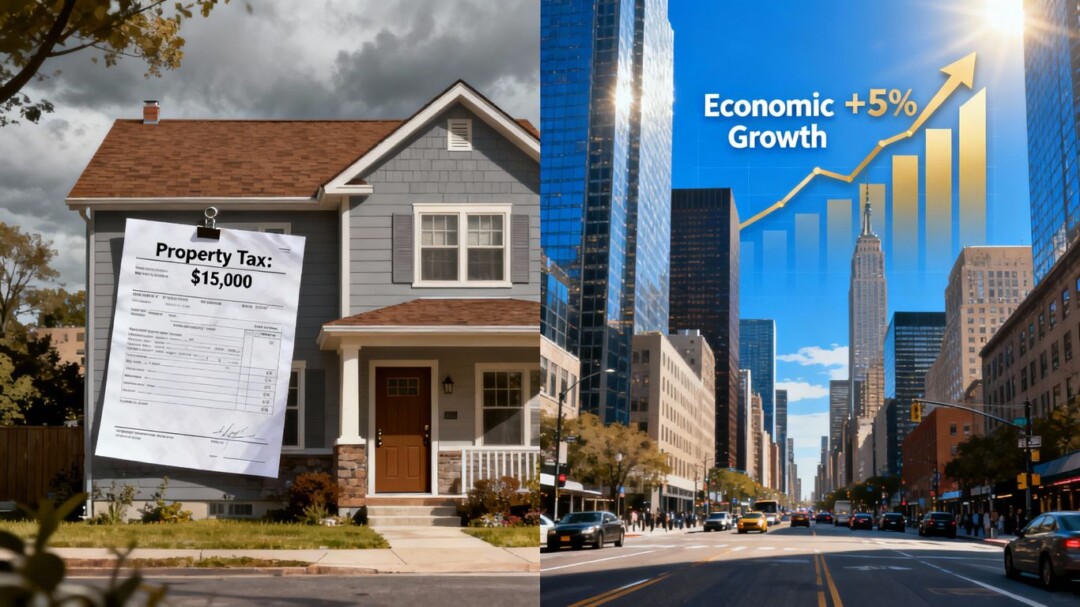
Florida Governor Ron DeSantis is championing a plan to eliminate property taxes on homesteaded properties, a move he argues will provide much-needed relief to residents struggling with rising housing costs. However, experts warn that this ambitious proposal could lead to unintended consequences, potentially exacerbating the state’s affordability crisis and significantly impacting local government funding.
Key Takeaways
- Eliminating property taxes on primary residences could increase home values by 7-9%.
- This increase in home values may make purchasing a home more expensive, particularly for first-time buyers.
- Local governments face significant revenue shortfalls, potentially impacting essential services.
- Commercial properties and rental units could see increased tax burdens.
The Allure of Tax-Free Homes
Governor DeSantis has voiced strong support for abolishing property taxes on "homesteaded" land, which refers to properties considered the owner’s permanent residence. He contends that local governments have seen substantial increases in property tax revenue, growing from $32 billion in 2019 to $56 billion in 2025, and that this revenue is being overspent. The proposal aims to offset rising housing costs and ease the financial burden on Floridians.
Economic Ripples and Affordability Concerns
Despite the appeal of lower annual tax bills, economists and real estate experts caution that the elimination of property taxes could paradoxically make homeownership more expensive. Analysis from Realtor.com suggests that property values could jump by 7% to 9% if these taxes are removed. This is because property taxes are a significant cost factor in homeownership; removing them would increase a home’s overall value, thereby raising the purchase price. This could disproportionately affect first-time homebuyers who are already struggling with high living costs, student debt, and credit card debt.
Funding Local Services: A Looming Challenge
Property taxes are a primary source of funding for essential local services such as schools, law enforcement, infrastructure, parks, and libraries. Eliminating a significant portion of this revenue stream would force local governments to find alternative funding sources or make substantial cuts to services. While DeSantis has suggested the state might "backfill" budgets for some counties, specifics remain unclear, raising concerns about the long-term sustainability of local government operations. If property taxes are removed for homesteaded properties, it’s likely that taxes on commercial properties, vacation rentals, and non-homesteaded residences would increase to compensate, potentially driving up rental costs and business overhead.
A Complex Path Forward
Any proposal to significantly alter property taxes in Florida would require approval from both the state legislature and voters in a referendum. While the idea of reducing or eliminating property taxes is popular, the potential for increased home prices and the impact on local services present significant challenges. Experts suggest alternative solutions, such as increasing the homestead exemption, which has not been updated since 2008, could offer relief without jeopardizing essential public services.
The debate highlights a fundamental tension between providing immediate tax relief and ensuring the long-term financial health and service provision of local communities.
Sources
- Florida needs its property taxes. DeSantis wants to end them, USA Today.
- How eliminating property taxes may make Florida housing more expensive, WLRN.
- Florida homes could gain 9% value without property taxes, WPTV.
- Eliminating Florida property taxes could spike home prices 9% and deepen affordability crisis, experts warn, News4JAX.
- Florida property tax reform could boost home prices, shift costs to renters, The Business Journals.