

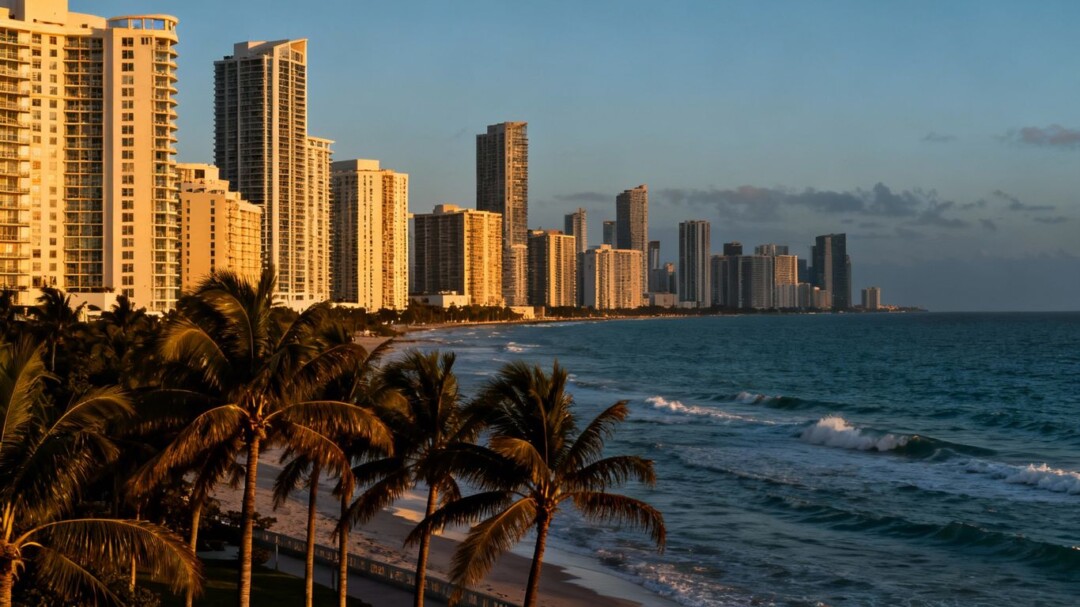
Miami’s housing market, despite a recent cooling, continues to be identified as the riskiest in the world for a potential housing bubble for the second consecutive year. While not a prediction of an immediate collapse, experts note elevated risk levels due to substantial and sustained price mispricing.
Key Takeaways
- Miami’s housing market is ranked the riskiest globally for a bubble for the second year in a row by UBS.
- Home prices have seen significant jumps, particularly for single-family homes, outpacing national averages.
- Affordability is a growing concern, with rising mortgage rates and insurance costs impacting buyers.
- Strong economic fundamentals, including population growth and low unemployment, are cited as drivers of demand.
A Persistent Bubble Risk
An annual report from UBS Global Wealth Management has once again placed Miami’s housing market at the top of its real estate bubble index. This designation, which defines a bubble as "a substantial and sustained mispricing" of homes, comes after several years of significant price appreciation in South Florida. Median single-family home prices in the region have surged by at least 70% since the summer of 2019, compared to a 50% increase nationwide over the same period.
Economic Fundamentals vs. Overvaluation
Despite the bubble risk, experts like Jonathan Woloshin, head of U.S. Real Estate Research at UBS, acknowledge the market’s underlying strength. He points to a growing population fueling demand. Similarly, Gay Cororaton, Chief Economist for the Miami Association of Realtors, attributes price growth to strong economic fundamentals rather than speculative activity or easy credit, which characterized past housing bubbles.
However, Woloshin also notes the possibility that the market might be "overdone to the upside." A significant gap exists between median home prices and median household incomes in the region. The median household income of approximately $76,000 can only support a mortgage for a home around $300,000, which is considerably lower than the median price of a single-family home.
Factors Influencing Affordability
Recent trends show a considerable slowdown in home price growth, even as more inventory becomes available. Affordability challenges are mounting, with rising mortgage rates and insurance costs deterring some younger buyers. The region maintains one of the lowest unemployment rates among major metropolitan areas, a positive economic indicator. Data also suggests that individuals relocating to Florida from out-of-state often bring higher incomes, contributing to the upward pressure on home prices.
The Wildcard of Property Taxes
Future changes to property taxes in Florida could significantly impact the housing market. Governor Ron DeSantis has expressed support for reducing, capping, or even eliminating most local government property taxes. Proposed legislation includes increasing exemptions or phasing out certain property taxes over a decade. Any such changes would require voter approval via a constitutional amendment. Experts warn that eliminating property taxes could further drive up home prices.