

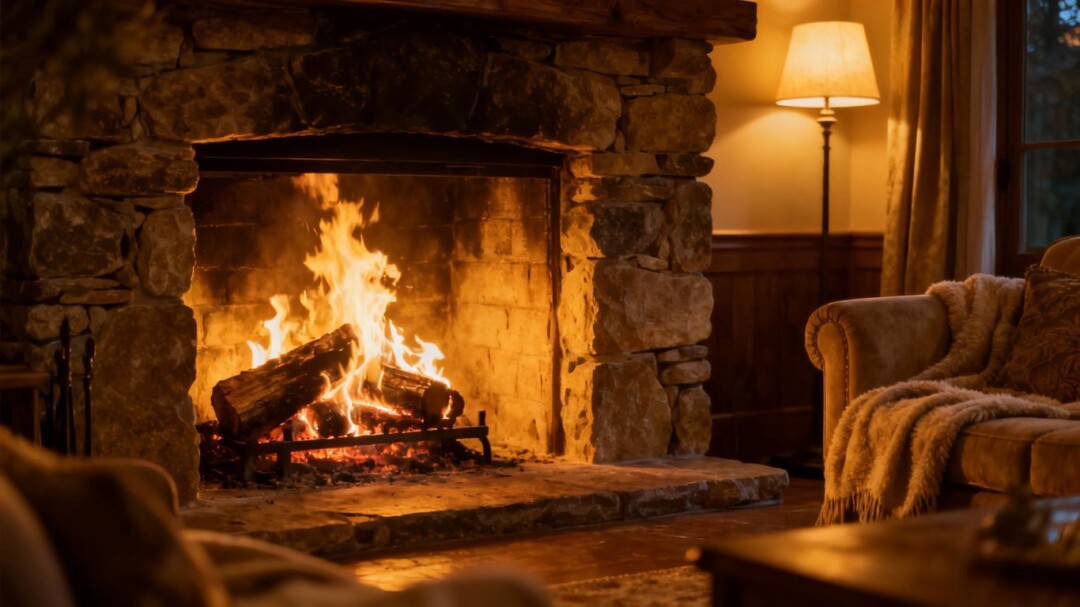
Even in regions not known for harsh winters, the allure of a fireplace extends beyond mere warmth. This feature offers a unique blend of ambiance, practicality, and even a touch of eco-friendliness, making it a desirable addition to any home. From creating a cozy atmosphere for relaxation to providing essential heat during power outages, fireplaces offer multifaceted benefits.
Key Takeaways
- Fireplaces provide ambiance and a focal point for relaxation and romance.
- They serve as a crucial backup heat source during power outages.
- Fireplaces can be utilized for cooking, especially in emergency situations.
- Wood-burning fireplaces offer an eco-friendly heating alternative.
The Cozy Ambiance of a Crackling Fire
There’s an undeniable charm to gathering around a fireplace, whether it’s fueled by gas or wood. The gentle flicker and warmth create an inviting atmosphere perfect for unwinding with a book, enjoying a romantic dinner, or simply setting a mood for a quiet evening. It transforms a house into a more comfortable and welcoming home.
A Reliable Source of Heat During Outages
In areas where electricity is the primary source of heating, a fireplace offers invaluable peace of mind. During unexpected power outages, especially those that can occur during cooler weather or due to severe storms, a fireplace can be the difference between enduring a cold night or staying comfortably warm. This backup functionality is particularly relevant in regions prone to hurricanes and subsequent power disruptions.
Beyond Heating: Fireplaces for Cooking
While not all fireplaces are designed for culinary use, some, particularly open-hearth models, can be adapted for cooking. This capability can be a lifesaver during extended power outages, allowing for the preparation of warm meals or even simple treats like roasted marshmallows and hot dogs. It adds another layer of utility to this classic home feature.
Eco-Friendly Heating Option
For those with wood-burning fireplaces, there’s an opportunity for more sustainable heating. By utilizing wood, homeowners can reduce their reliance on electric or gas-powered heating systems during the cooler months. This not only helps to lower energy costs but also provides greater flexibility and control over how a home is heated, contributing to a more eco-conscious approach to comfort.