

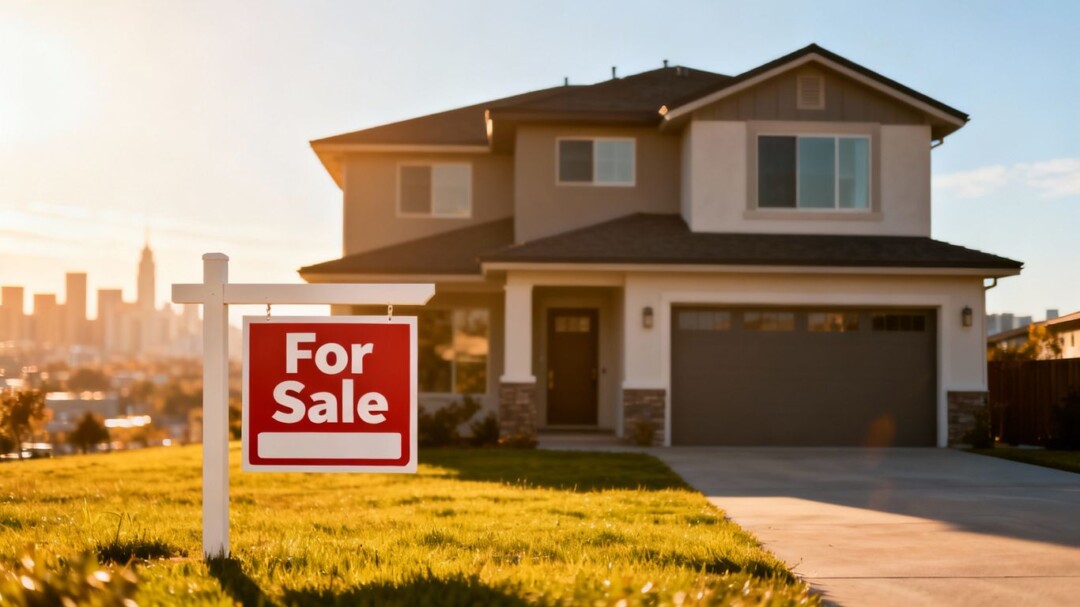
The 2026 housing market is poised for a period of relative stability in mortgage rates, but prospective and current homeowners should brace for increasing costs associated with homeownership. This shift means buyers need to look beyond the initial purchase price and consider the long-term financial implications of owning a home.
Key Takeaways
- Mortgage rates are expected to remain stable, hovering around the mid-6% range.
- Home price growth is slowing, but other ownership costs like insurance and property taxes are accelerating significantly.
- Renting is becoming a more attractive option due to improving affordability and new rental community developments.
- A significant boom in home equity borrowing is unlikely, with more homeowners using it for debt consolidation.
Mortgage Rates Expected to Hold Steady
Contrary to hopes for a significant drop, mortgage rates in 2026 are predicted to stay within their current range. Forecasters anticipate the average 30-year fixed rate to fluctuate slightly, potentially drifting from 6.2% to 5.9% by year-end, according to Fannie Mae. The Mortgage Bankers Association offers a more conservative outlook, expecting rates to remain around 6.4% throughout the year. Buyers who find a suitable home at current rates are advised to proceed, as a substantial decrease is not on the horizon.
Home Price Growth Slows Amidst Rising Ownership Costs
While the rapid home price appreciation seen in recent years is moderating, other expenses are on the rise. Nationwide, average escrow costs—encompassing homeowners’ insurance and property taxes—have surged by 45% between 2020 and 2025. Florida, in particular, has seen a dramatic 70% increase in these costs. These escalating expenses can deter new buyers and encourage existing homeowners to sell, impacting both demand and supply.
Buyers are urged to scrutinize tax histories and insurance costs in potential neighborhoods. Homeowners should proactively manage these expenses by regularly reviewing property taxes and shopping for homeowners insurance to avoid unexpected financial shortfalls.
Renting Becomes More Appealing
As homeownership costs climb, renting is emerging as a more financially viable option for many. Data indicates a steady decline in median rent prices for over two years, with modest further decreases expected in 2026. This trend is attributed to rising vacancy rates, creating a more favorable market for renters. Additionally, the rise of "built-to-rent" (BTR) communities offers single-family home living with rental flexibility and often includes amenities like gyms and coworking spaces.
Home Equity Borrowing Unlikely to Surge
Despite a significant increase in home equity over the past few years, a major surge in borrowing against it is not anticipated for 2026. While homeowners have substantial "tappable" equity, the trend shows a shift in borrowing motivations. In 2024, debt consolidation became the primary reason for home equity loans for a larger percentage of borrowers compared to previous years, suggesting financial strain rather than wealth expansion.
Borrowing against home equity carries inherent risks, including the potential for foreclosure if repayment is not possible. Homeowners are reminded that holding onto equity can provide financial security, reduce future mortgage payments, and potentially serve as a means to build generational wealth.