

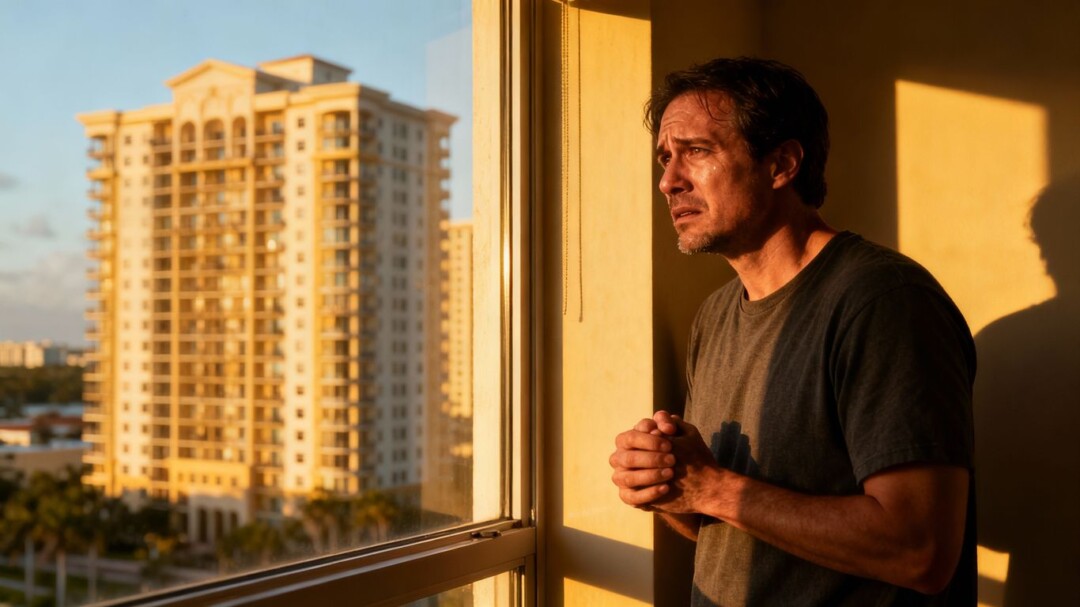
A new report from the University of Florida’s Shimberg Center for Housing Studies reveals that nearly 905,000 low-income renter households across Florida are struggling to afford their housing costs. This significant number highlights a growing crisis driven by rapid population growth and a limited housing supply, pushing rents to unsustainable levels for many Floridians.
Key Takeaways
- An estimated 904,635 renter households earning below 60% of their area median income are considered cost-burdened, spending over 40% of their income on rent.
- Between 2019 and 2023, Florida saw over 1 million new households, with a substantial increase in renters, while median rents climbed by nearly $500 per month.
- The older renter population (55+) constitutes a significant portion of cost-burdened households, a trend that has held steady in recent years.
- A majority of renter households (79%) include at least one employed adult, underscoring that the issue is not solely due to unemployment.
- Homelessness is on the rise, with an estimated increase in both individuals and families lacking stable housing.
- Over 33,000 publicly assisted affordable housing units are at risk of losing their affordability protections by 2034.
The Widening Affordability Gap
The 2025 Statewide Rental Market Study, prepared for the Florida Housing Finance Corporation, paints a stark picture of the state’s rental market. The report indicates that the surge in Florida’s population, fueled by migration from other states, has outpaced the development of new housing. This imbalance has led to a dramatic increase in rental prices, with the median rent jumping from $1,238 to $1,719 between 2019 and 2023.
Demographics and Displacement
The study highlights that cost-burdened renters are spread across the state, with the majority concentrated in the most populous counties. Notably, renters aged 55 and older represent 39% of cost-burdened households, a figure that has grown significantly since 2010. Contrary to some assumptions, most renters are employed, with 79% of households having at least one working adult. The report also points to a concerning rise in homelessness, exacerbated by factors such as hurricanes and the competitive housing market, leading to increased displacement.
The Role of Assisted Housing and Future Concerns
Assisted housing developments, funded by various state and federal programs, provide a crucial lifeline, offering over 314,000 affordable rental units statewide. These developments are vital for seniors, people with disabilities, and the workforce. However, a significant challenge looms: over 33,000 of these protected units may lose their affordability status by 2034 unless their protections are renewed. This underscores the urgent need for continued investment and preservation of affordable housing stock to keep pace with Florida’s dynamic growth and ensure housing stability for its residents.
Sources
- Florida renters struggle with housing costs, new statewide report finds News, University of Florida.