

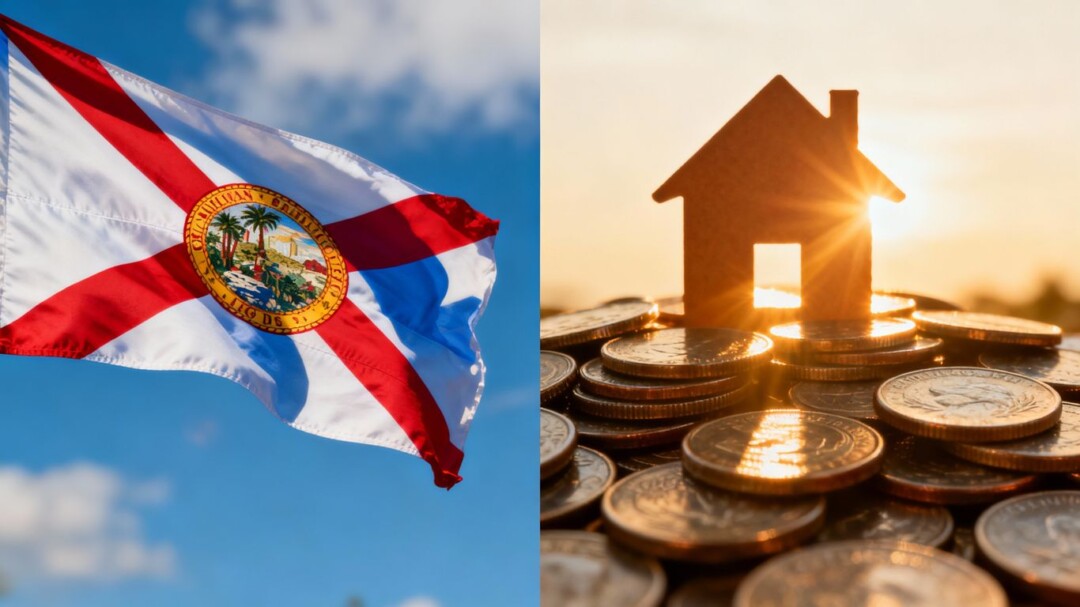
Florida is abuzz with discussions surrounding significant property tax reforms, with several proposals potentially heading to voters in the 2026 general election. These changes could impact homeowners, local government funding, and the state’s financial landscape.
Key Takeaways
- Multiple legislative proposals aim to reduce or eliminate certain property taxes.
- Potential ballot initiatives could offer tax breaks for seniors, long-term residents, and first-time homebuyers.
- Concerns exist regarding the impact on local government services and credit ratings.
Proposed Property Tax Relief Measures
State Senator Mack Bernard has introduced five bills focused on providing property tax relief. These proposals include measures for senior homeowners, long-time Florida residents, and even first-time property owners. Among these are proposals to cap assessment increases for long-term homeowners and offer significant exemptions for those who have owned their primary residence for over 20 or 30 years. One specific proposal, SJR 270, aims to exempt residents aged 65 and older from non-school property taxes on their primary residence, provided certain income limitations are met. If passed by lawmakers, these constitutional amendments would require a 60% voter approval to take effect.
House Republicans have also put forth eight bills, including proposals to eliminate non-school homestead property taxes entirely or phase them out over a decade. Other legislative ideas include a new $100,000 exemption for all real properties and a $1,000 homeowner rebate, a measure also proposed by Governor DeSantis as a short-term relief option. Additionally, a proposal seeks to require a two-thirds vote for any increase in the millage rate.
Impact on Local Governments and Services
While tax relief measures are gaining traction, city officials are expressing concerns about the potential impact on essential services funded by property taxes. These taxes are crucial for financing police and fire departments, infrastructure projects, and general maintenance. A significant reduction or elimination of property taxes could force local governments to cut services, raise other fees, or seek alternative revenue streams. Credit rating agencies like S&P Global have highlighted that property taxes are a stable and predictable revenue source for local governments, underpinning their ability to borrow money for large-scale projects. Uncertainty surrounding property tax changes could necessitate a "paradigm shift" in how local governments manage their finances and approach borrowing.
Broader Implications and Voter Decisions
The debate over property taxes pits the desire for lower tax burdens against the need to maintain robust local services. Opponents of wholesale changes emphasize the importance of local control over tax dollars and services, warning that state-level control could lead to a decline in service quality. Supporters, however, focus on philosophical opposition to property taxes on primary residences and advocate for scrutinizing local government spending. As these proposals move through the legislative process, Florida voters will ultimately have the final say on the future of property taxation in the state, with decisions likely to be made at the ballot box in 2026.
Sources
- Property tax breaks could go before Florida voters in 2026 | Real Estate, IslanderNews.com.
- What could overhauling property taxes mean for local government IOUs in Florida?, WLRN.
- Eliminating Florida’s property tax will have consequences, The Palm Beach Post.