

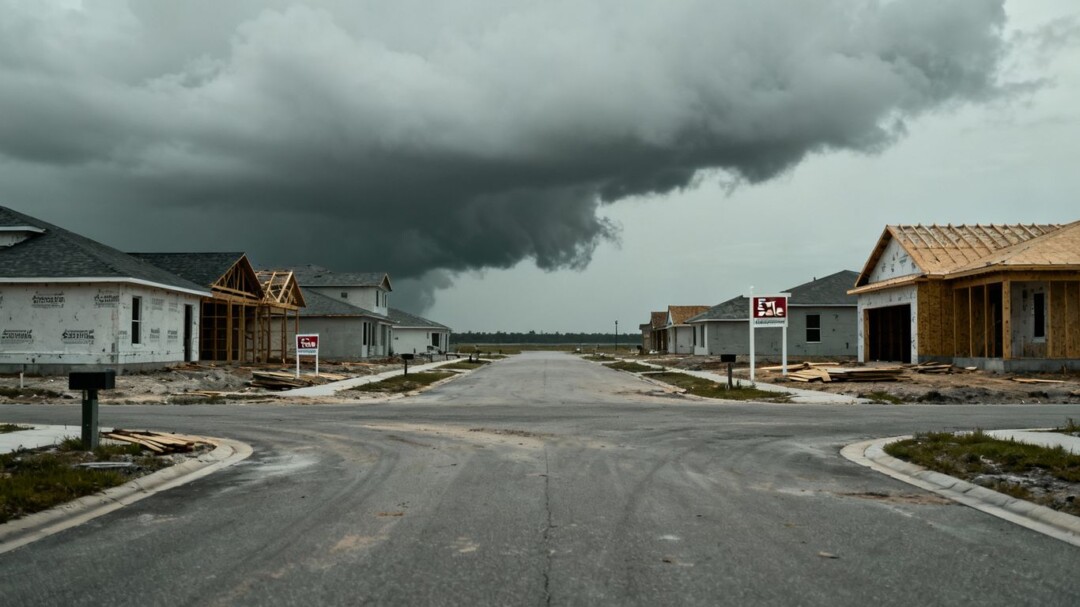
The ongoing federal government shutdown is casting a significant shadow over Florida’s vibrant housing market, causing delays in sales, impacting crucial insurance programs, and creating widespread uncertainty for buyers, sellers, and real estate professionals. The extended lapse in government operations, now the longest in U.S. history, is disrupting essential housing finance programs and raising alarms about the state’s vulnerability, particularly in flood-prone areas.
Key Takeaways
- The National Flood Insurance Program (NFIP) has ceased issuing new policies and renewals, creating significant hurdles for buyers in flood zones.
- Delays are affecting FHA and VA loan closings, while USDA rural home loans have been completely paused.
- The broader economic impact is a growing concern, as real estate is a major contributor to Florida’s GDP.
- While some workarounds exist, the prolonged shutdown threatens market stability and consumer confidence.
Impact on Flood Insurance
One of the most immediate and critical impacts of the shutdown is the suspension of the National Flood Insurance Program (NFIP). With Florida having the largest number of NFIP policyholders in the nation, this lapse is particularly concerning. Lenders often require flood insurance for properties in designated flood zones, and the inability to issue or renew policies is stalling transactions. While existing policies remain active and transferable, the uncertainty surrounding renewals and new coverage is a major roadblock. Some private insurers are still offering policies in lower-risk areas, and Florida’s state-backed Citizens Insurance has temporarily waived its flood insurance proof requirement, but these measures do not fully mitigate the issue for many.
Delays in Mortgage Programs
The shutdown is also significantly affecting government-backed mortgage programs. The U.S. Department of Agriculture has completely stopped issuing new rural home loans, leaving many potential buyers in these areas without financing options. Buyers utilizing Federal Housing Administration (FHA) and Veterans Affairs (VA) loans are experiencing delays due to reduced staffing at these agencies. While many FHA and VA closings are still proceeding, disruptions in obtaining necessary documentation, such as federal payoff statements and IRS income verifications, are common. The approval process for FHA loans on condominium buildings has also been suspended, adding another layer of complexity.
Broader Economic Concerns
Real estate is a cornerstone of Florida’s economy, contributing significantly to its gross domestic product. A slowdown in home sales due to the shutdown could have far-reaching consequences. Beyond the direct impact on transactions, the uncertainty can shake market confidence, potentially leading to longer listing times and adjusted seller expectations. The National Association of Realtors estimates that government shutdowns can cost the economy billions of dollars per week in lost output and economic activity, with the damage becoming more durable the longer the shutdown persists.
Navigating the Uncertainty
Real estate professionals are working to find solutions, such as utilizing the "assignment of policies" process for flood insurance or relying on private carriers where possible. However, these workarounds are not always sufficient. The call from industry leaders is for a swift resolution to reopen the government and restore stability to the housing market. Each day the shutdown continues exacerbates the challenges faced by consumers and the industry alike, underscoring the interconnectedness of government stability and economic well-being.
Sources
- Navigating the Government Shutdown | Florida Realtors, | Florida Realtors.
- Florida realtors warn government shutdown could cause home-buying delays – WFTV, WFTV.
- Impact of Government Shutdown on Real Estate in SWFL | Real Estate, Gulfshore Business.