

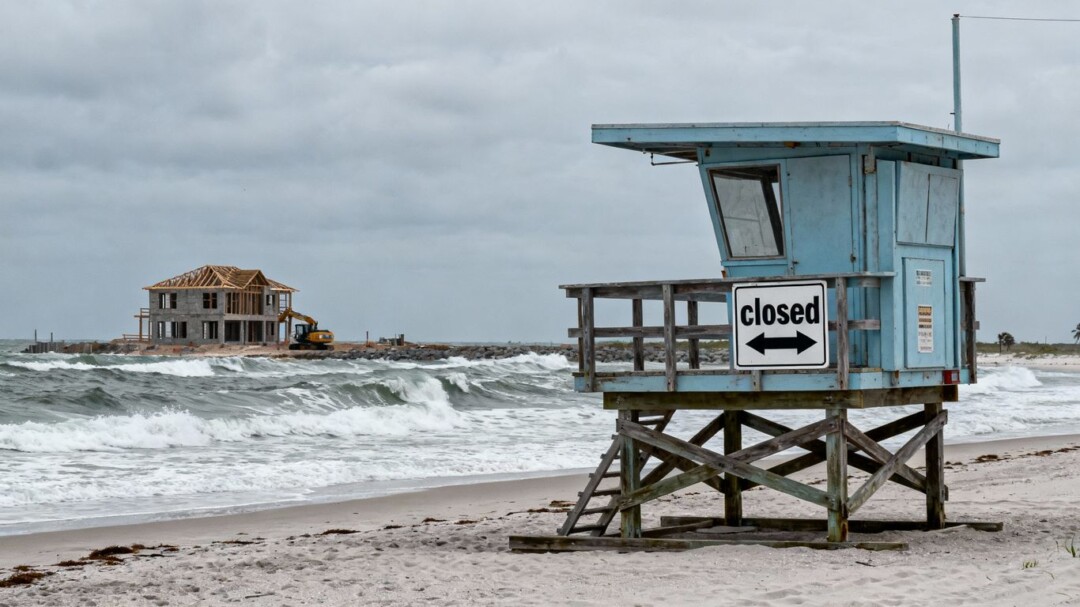
A federal government shutdown is casting a significant shadow over Florida’s booming real estate market, causing delays in crucial transactions, particularly those involving flood insurance, government-backed loans, and essential permits. The prolonged closure of federal agencies is creating uncertainty for buyers, sellers, and builders alike, with potential ripple effects on the state’s economy.
Key Takeaways
- The National Flood Insurance Program (NFIP) is frozen, preventing new policies and renewals, which is critical for Florida’s flood-prone areas.
- Government-backed mortgage programs, including those from the USDA, FHA, and VA, are experiencing delays or halts due to reduced staffing.
- Permit approvals for new construction are stalled, impacting the building industry.
- Florida’s real estate sector, a major contributor to the state’s GDP, faces potential slowdowns that could affect the broader economy.
Flood Insurance Freeze Creates Major Hurdles
Florida, with the highest number of National Flood Insurance Program (NFIP) policyholders in the nation, is particularly vulnerable to the shutdown’s impact on flood insurance. The NFIP’s inability to issue or renew policies means that many homebuyers in flood zones, where lenders require such coverage, face significant delays. While existing policies remain active and can sometimes be transferred, new buyers or those with expiring policies are in a precarious position. Some private insurers are still offering coverage in lower-risk areas, and Florida’s state-backed Citizens Insurance has temporarily waived its flood insurance proof requirement, but these measures offer limited relief for those in high-risk zones.
Government Loans and Mortgage Delays
The shutdown is also disrupting access to crucial government-backed mortgage programs. The U.S. Department of Agriculture has ceased issuing new loans, affecting low-to-moderate income households in rural areas. Buyers relying on Federal Housing Administration (FHA) or Veterans Affairs (VA) loans may also encounter substantial delays due to limited federal staff. While agencies like Fannie Mae and Freddie Mac continue operations, some loan verifications requiring federal data could be slowed. This interruption in financing can derail closings and add to market uncertainty.
Permit Stoppages Hamper New Construction
Beyond insurance and financing, the shutdown is impacting new construction. Federal permits, particularly those related to wetlands and waterways under Section 404 of the Clean Water Act, are stalled as many Environmental Protection Agency (EPA) workers are furloughed. This halt in permit approvals can bring new building projects to a standstill, exacerbating Florida’s existing housing shortage and potentially delaying the delivery of much-needed housing units.
Economic Ramifications for Florida
With real estate accounting for a substantial portion of Florida’s gross domestic product, any slowdown in home sales can have widespread economic consequences. Realtors express concern that a prolonged shutdown could lead to a significant downturn, impacting jobs and consumer confidence. While some transactions are finding workarounds, the overall uncertainty and the potential for extended delays are creating a challenging environment for the state’s vital housing market.
Sources
- Florida realtors warn government shutdown could cause home-buying delays – WFTV, WFTV.
- Impact of Government Shutdown on Real Estate in SWFL | Real Estate, Gulfshore Business.
- Florida real estate could take a hit during government shutdown, Tampa Bay Times.
- Florida Housing Market Faces Fallout Amid NFIP Freeze and Permit Delays, Norada Real Estate Investments.