

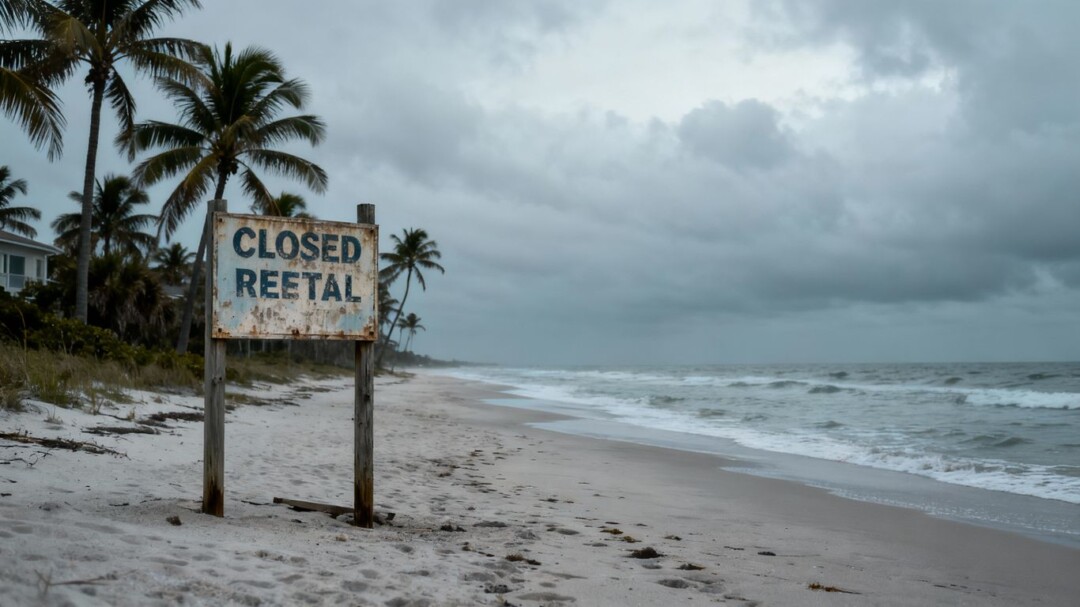
A Central Florida-based vacation rental company, IPG Franchising, has filed for Chapter 11 bankruptcy, signaling significant distress within the sector. The company faces numerous lawsuits from investors who claim delayed or halted payments, with some reporting substantial financial losses. This filing occurs as the broader U.S. vacation rental market experiences a sharp decline.
Key Takeaways
- IPG Franchising, a Florida-based vacation rental company, has filed for Chapter 11 bankruptcy.
- Investors allege the company failed to make payments, leading to significant financial losses for some.
- The U.S. vacation rental market is experiencing a downturn, with a record low in second home purchases.
- High interest rates, rising home prices, and return-to-office mandates are cited as major contributing factors.
- Florida is particularly affected by the decline due to increased insurance costs and taxes.
Financial Distress and Investor Complaints
IPG Franchising is reportedly facing a growing number of lawsuits from investors who provided capital for managing vacation rentals. These investors claim that the company has failed to deliver on its payment obligations, with some stating they haven’t received payments for months and have lost hundreds of thousands of dollars. One investor described the situation as losing their life savings, with no properties or communication from the company.
The bankruptcy filing lists over 80 creditors. Financial records indicate that IPG Franchising has estimated assets of less than $50,000 but liabilities ranging between $1 million and $10 million. The owners of IPG Franchising are also associated with other businesses, including Island Attitude on Manasota Key, a vacation rental management company impacted by Hurricane Milton.
Broader Market Shifts Impacting Vacation Rentals
The struggles of IPG Franchising are occurring against a backdrop of a significant cooling in the U.S. vacation rental market. Data from Redfin reveals that vacation home purchases have dropped to their lowest level since 2018. Several factors are contributing to this decline:
- High Interest Rates: Increased mortgage rates make financing second homes more expensive.
- Elevated Home Prices: The cost of purchasing property remains high.
- Return-to-Office Mandates: A shift away from remote work reduces the appeal and practicality of vacation homes for some.
- Decreased Rental Market Revenue: Lower occupancy rates mean less potential income from short-term rentals.
Florida Faces Significant Impact
Florida, a popular destination for vacation rentals, is experiencing one of the sharpest declines in demand. Soaring insurance costs, homeowners association fees, and taxes, exacerbated by extreme weather events, are driving a sell-off of vacation properties. This trend is not isolated to Florida, as second home mortgage numbers have fallen in many major U.S. metropolitan areas.
Real estate professionals have noted that while wealthy cash buyers are still active, they are often making lower offers or seeking concessions. The overall market sentiment has been cautious, with fears about interest rates and economic uncertainty causing potential buyers to pause their real estate decisions. Even with the traditional spring buying season, a significant uptick in vacation rental sales has not materialized.