

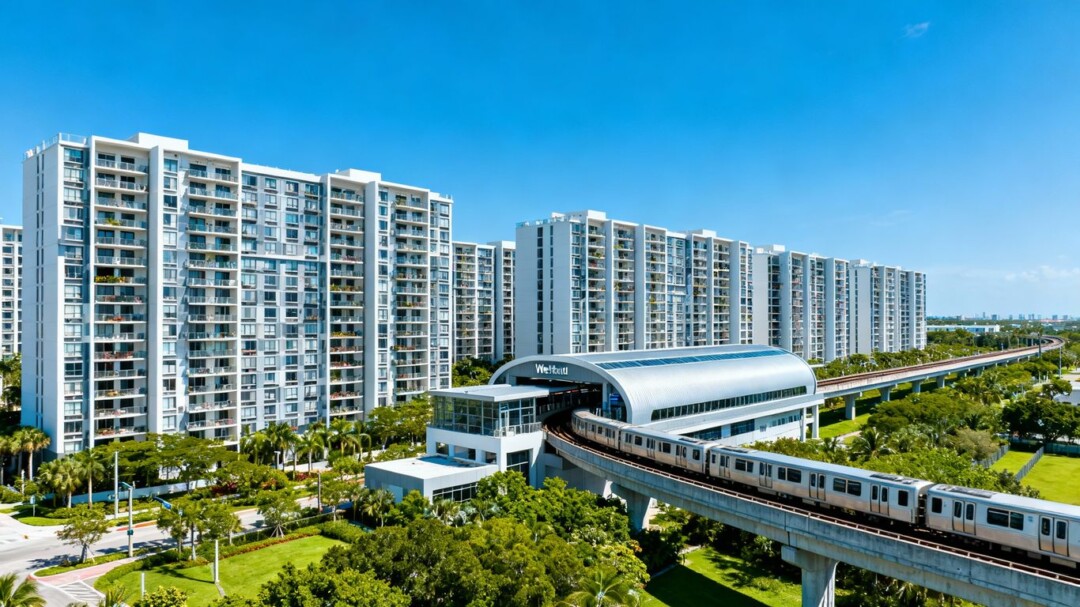
Plans have been submitted for a significant new development that could bring approximately 1,100 apartment units to the vicinity of the Palmetto Metrorail station. This ambitious project aims to transform the currently underutilized parking lot into a vibrant residential hub, potentially reshaping transit-oriented development in the area.
Key Takeaways
- A proposal for 1,100 apartments near Palmetto Metrorail station has been filed.
- The development seeks to repurpose a heavily used weekday parking lot.
- This initiative follows similar, though varied, transit-adjacent housing projects at other Metrorail stations.
A New Vision for Transit-Oriented Development
The proposed development at Palmetto station is poised to address the growing need for housing while integrating it with public transportation infrastructure. The existing parking lot, known for its heavy weekday usage by commuters, is slated for a major transformation. This move echoes trends seen at other Metrorail stations, though with potentially different outcomes.
Lessons from Other Stations
Past developments offer insights into the potential successes and challenges of integrating housing with Metrorail stations. At Northside station, the introduction of apartments led to the phasing out of park-and-ride options. Okeechobee station, however, presented a more balanced approach, converting surface parking to apartments while retaining a parking garage for station users. Hialeah station’s new apartments, situated across a busy street, have been criticized for their design, with blank walls facing the station and a lack of street-level retail, suggesting a missed opportunity for greater integration and accessibility.
The Palmetto station project appears to be aiming for a model similar to Okeechobee, seeking a realistic and beneficial middle ground. A crucial consideration for the Palmetto site is its history of severe flooding during rainfall, a problem that will need to be addressed in the development plans to ensure the long-term viability and usability of both the apartments and the station’s facilities.