

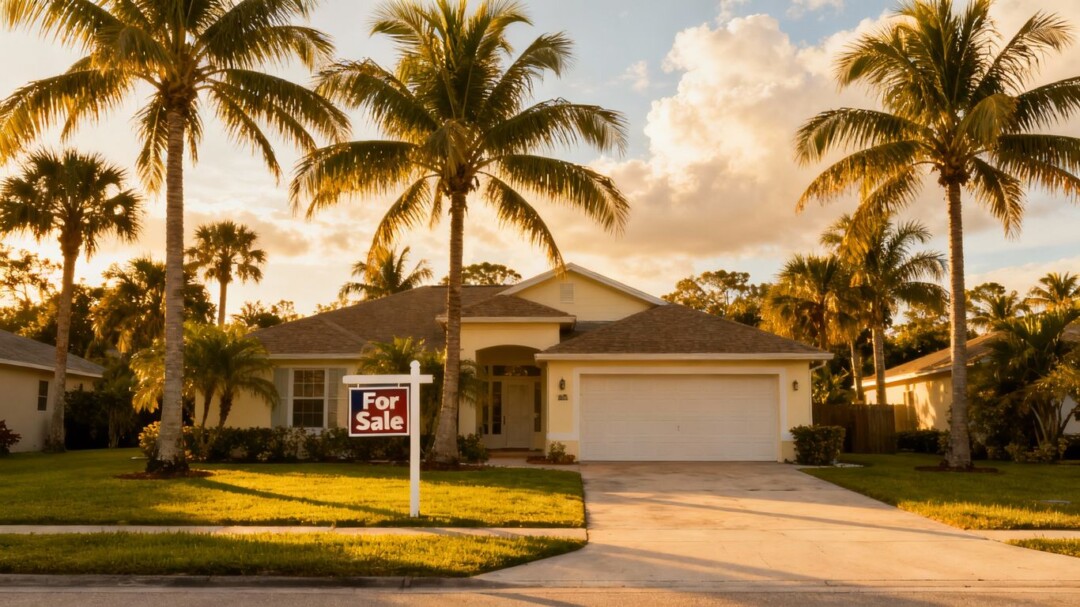
Florida’s once-booming housing market is experiencing a significant cooling, marked by declining prices, increasing inventory, and a shift in investor behavior. After years of rapid appreciation, the market is undergoing a correction, forcing sellers to adjust their expectations and strategies. While fears of a 2008-style crash are largely dismissed, the current trends indicate a notable slowdown.
Key Takeaways
- Price Declines: Median listing prices have fallen to a 30-month low, with some areas experiencing consecutive months of price drops.
- Rising Inventory: The number of homes for sale has surged, leading to longer market times and increased competition.
- Investor Shift: Institutional investors, once major buyers, are now becoming net sellers in some markets.
- Affordability Challenges: Higher interest rates, increased insurance premiums, and still-high prices are impacting buyer affordability.
- Market Correction: Experts largely view the current trend as a market correction rather than a collapse.
Sellers Face New Realities
Sellers in Florida are encountering a market vastly different from the frenzied conditions of recent years. Homes are lingering on the market longer, with some properties taking up to 10 months to sell. "Low-ball" offers are becoming more common, forcing sellers to either significantly lower their asking prices or invest in costly improvements, such as new roofs, to make their homes more attractive and reduce buyer insurance concerns. This shift requires a more realistic approach to pricing and a willingness to negotiate.
Inventory Surges, Days on Market Increase
A major driver of the market slowdown is the substantial increase in housing inventory. Counties like Lee, Collier, and Charlotte are reporting thousands of listings, a record level compared to previous periods of low supply. This abundance of homes means buyers have more choices and leverage. Consequently, the median number of days a property stays on the market has lengthened, indicating a slower sales pace. Active listings across Florida have surged year-over-year, reaching their highest point in September data going back to 2016.
Investor Behavior Changes
Institutional investors, who played a significant role in driving up demand in previous years, are now altering their strategies. In markets like Tampa, Orlando, and Jacksonville, these investors have become net sellers, reducing their portfolios. Having acquired properties at lower prices during the housing bust, they are now capitalizing on the accumulated equity, even as the market cools. This shift further contributes to the increased inventory and competitive landscape for sellers.
Factors Driving the Cooling Market
Several factors are contributing to the current market conditions. Persistently high mortgage interest rates remain a significant barrier for many potential buyers. Coupled with rising insurance premiums and the overall cost of homeownership, affordability has become a major concern. Economic uncertainty and stock market volatility also contribute to a cautious sentiment among consumers. While some areas are experiencing price declines, experts emphasize that the market is undergoing a correction due to these economic pressures, rather than a full-blown crash, citing a lack of excessive leverage compared to the 2008 crisis.
High-Risk Markets Identified
While the market is cooling statewide, specific areas are flagged as having a higher risk of significant price declines. Cape Coral, Lakeland, North Port, St. Petersburg, and West Palm Beach have been identified as markets where rapid price appreciation, combined with factors like affordability, inventory, and insurance costs, could lead to notable price drops. These markets experienced substantial growth and may be more vulnerable to a correction.
Sources
- Florida’s housing market cools, forcing sellers to adjust, Gulf Coast News and Weather – Southwest Florida News.
- Florida Housing Prices Drop for the Fifth Consecutive Month in 2025, Norada Real Estate Investments.
- Florida Housing Market Buckles, Listing Prices Sag to 30-Month Low but Are Still Way Too High, Inventory
Piles Up, Institutional Investors Turn into Net Sellers, Wolf Street. - Is the Florida Housing Market on the Verge of Collapse or a Crash?, Norada Real Estate Investments.
- 5 Florida Housing Markets At Risk of a Major Price Decline or Crash, Norada Real Estate Investments.