

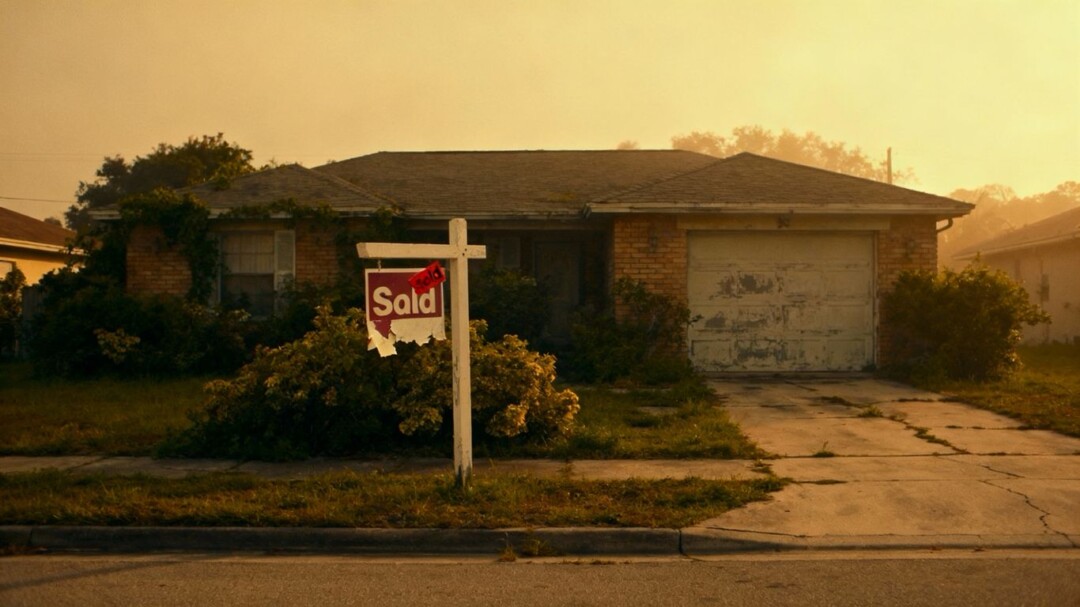
Several Florida real estate markets are experiencing significant price declines and a slowdown in sales, signaling a shift from the pandemic-fueled boom. This trend is attributed to broader economic uncertainty, rising insurance costs, and increasing climate risks, making it challenging for both buyers and sellers.
Key Takeaways
- Four of the top ten U.S. cities with the most significant home price drops are in Florida.
- Pending home sales have seen steep decreases in major Florida metro areas.
- Rising insurance premiums and HOA fees are major factors contributing to the market slowdown.
- Sellers are increasingly open to negotiation as homes sit on the market longer.
Declining Home Prices Across Florida
Recent reports indicate a notable downturn in Florida’s housing market. In Southwest Florida, cities like Punta Gorda have seen over a 12% decline in home prices, with Cape Coral and Naples also experiencing significant drops. Jacksonville saw a 3.9% decrease in median home-sale prices year-over-year, while Miami experienced a 12.4% decrease. Nationally, U.S. home-sale prices have also seen a slight dip since the start of the year, despite reaching a record high median sale price.
Lagging Sales and Seller Challenges
Pending home sales have plummeted in several key Florida markets. Fort Lauderdale and Miami reported steep decreases of 15.15% and 14.6%, respectively. West Palm Beach ranked third nationally with a 13.8% decline in pending sales. This slowdown is leading to homes lingering on the market, forcing sellers to become more strategic with pricing and be open to negotiations. Some sellers, like Rodney Weng in Punta Gorda, are opting to sell their homes independently to avoid realtor commissions and further price reductions.
Factors Driving the Market Shift
Multiple factors are contributing to the cooling housing market. Broader economic uncertainty is making both buyers and sellers apprehensive. Additionally, the escalating cost of home insurance and HOA fees, exacerbated by frequent natural disasters and intensifying climate risks, is significantly impacting affordability. In areas like West Palm Beach, new construction homes are fetching a premium due to potentially better insurance rates compared to older properties. The rising cost of homeownership, including property taxes and insurance, is stretching homeowners’ budgets, particularly for those on fixed incomes.
Outlook for the Florida Housing Market
While Florida’s climate and lack of state income tax remain attractive, the current real estate conditions present challenges. The imbalance between available housing inventory and the number of buyers, coupled with economic pressures, suggests a continued shift towards a buyer’s market in many areas. Experts advise sellers to price their homes appropriately for current market conditions and ensure properties are in excellent condition to attract buyers.
Sources
- Largest FL Real Estate Markets See Big Drops, Patch.
- Florida now has 4 of the top 10 American cities where home prices are plummeting the most, Yahoo Finance.
- Southwest Florida home prices drop as sellers struggle to find buyers | State, WINK News.
- West Palm No. 3 on new report, WPTV.