

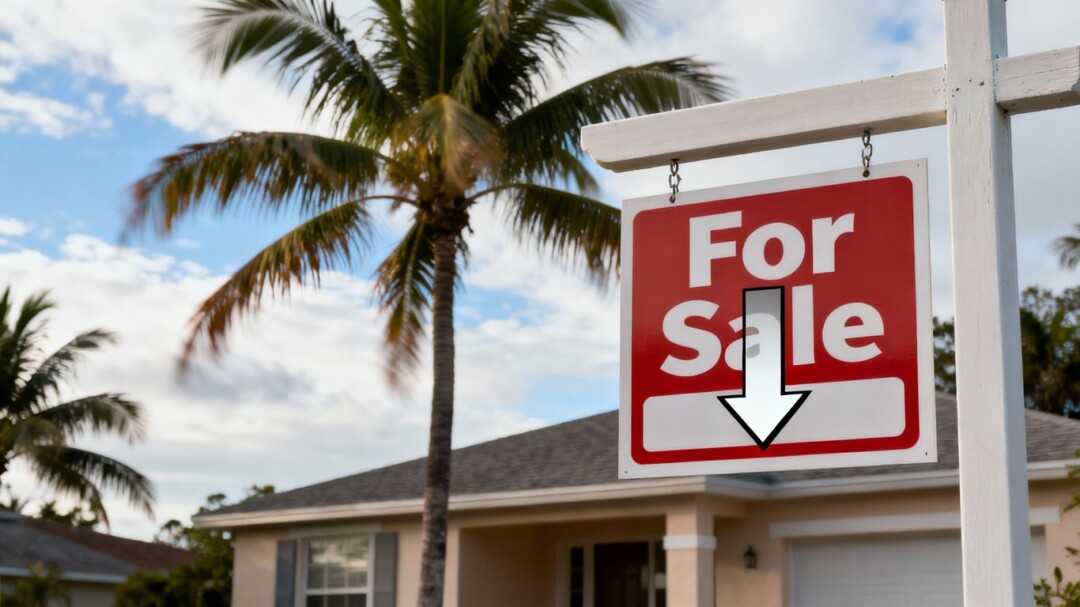
Florida’s once-booming housing market is now experiencing a significant correction, marked by declining prices and reduced demand. This shift follows a period of rapid growth fueled by pandemic-era migration and low interest rates. Factors such as rising mortgage rates, increased inventory, and concerns about insurance costs and natural disasters are contributing to the cooldown.
Key Takeaways
- Florida’s housing market is showing signs of a significant downturn, with prices dropping for multiple consecutive months.
- Areas like South Florida, Cape Coral, and Lakeland are identified as epicenters of this market weakness.
- Factors contributing to the decline include high mortgage rates, increased inventory, rising insurance costs, and economic uncertainty.
- While some areas are experiencing price drops, the overall U.S. housing market shows mixed signals, with a national shortage of homes still supporting prices in many regions.
Market Downturn Accelerates
The Sunshine State’s housing market, which saw explosive growth during the pandemic, is now facing a sharp cooldown. Real estate analysts note that sellers are increasingly offering substantial price cuts to attract buyers. In April, the median sale price of a home in Florida was down 3.2% from the previous year, with home sales also declining. This trend is attributed to a combination of factors, including the rise of remote work that initially fueled migration, followed by increased housing costs, and concerns about natural disasters and insurance premiums.
Specific Areas Under Pressure
Several regions within Florida are particularly affected. South Florida, including Miami, Fort Lauderdale, and West Palm Beach, is identified as an "epicenter of housing weakness," with pending home sales dropping significantly and homes taking much longer to sell. Cape Coral is also experiencing plummeting home prices and stagnant sales, with some reports ranking it as a high-risk market. Similarly, Lakeland is noted as the second most risky housing market in the U.S., facing rapid price appreciation followed by increased inventory and affordability concerns.
Driving Forces Behind the Shift
The current market correction is driven by several key factors. Historically high mortgage interest rates are a significant barrier for potential buyers, making homeownership less affordable. Simultaneously, the supply of homes for sale has increased, partly due to new construction and existing homeowners listing their properties. This rise in inventory, coupled with cooling buyer demand, puts downward pressure on prices. Additionally, rising insurance premiums and concerns about the impact of climate change and natural disasters are influencing buyer decisions and increasing the cost of homeownership.
Outlook for Buyers and Sellers
For buyers, the current market presents an opportunity for greater negotiation power. With increased inventory and softening prices, buyers can take their time, research options, and potentially secure better deals. Sellers, on the other hand, need to be realistic about pricing their homes competitively and may need to be patient as the market adjusts. While some analysts warn of a potential bubble deflation, others suggest that the market is undergoing a necessary correction towards a more balanced state. The long-term outlook will likely depend on broader economic conditions, including inflation and mortgage rates.
Sources
- Florida’s Housing Market ‘Turning Down Fast’, Newsweek.
- Florida Housing Prices Drop for the Fifth Consecutive Month in 2025, Norada Real Estate Investments.
- This 1 part of Florida is
emerging as America’s ‘epicenter of housing weakness’ — expert warns of ‘really long’
bubble deflation. Will it spread to the rest of the US?, Moneywise. - Why is Cape Coral Housing Market in Florida Doomed to Crash in 2025?, Norada Real Estate Investments.
- Lakeland, Florida is Second Most Risky Housing Market Poised for a Crash, Norada Real Estate Investments.