

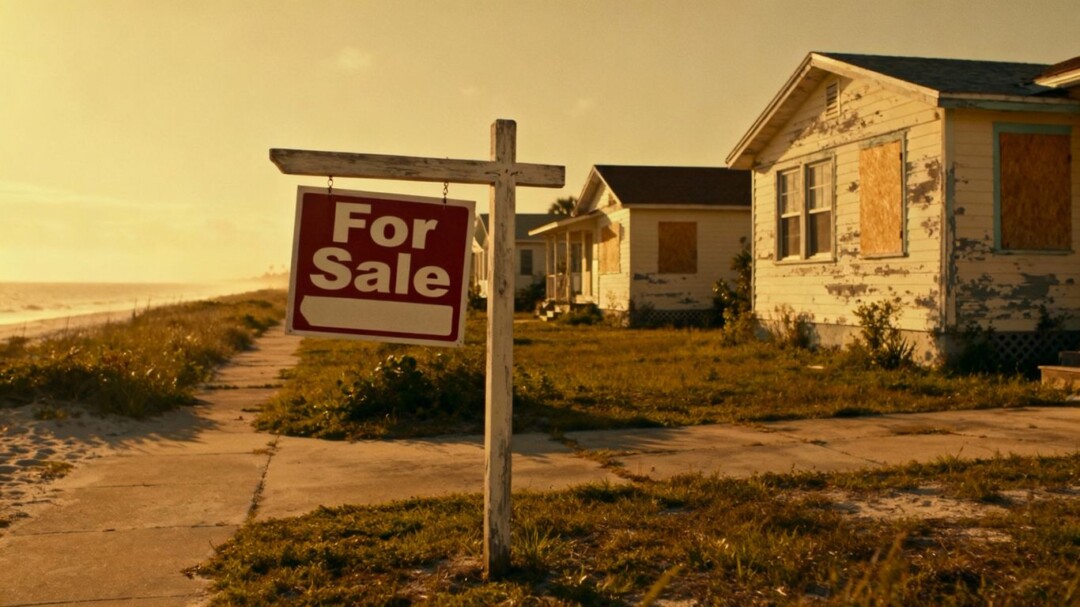
Florida’s once-booming real estate market is experiencing a significant downturn as both out-of-state and foreign investors pull back. This trend is driven by a confluence of factors including declining affordability, increased natural disaster risks, stringent new regulations, and a challenging economic climate, leading to a notable drop in investor purchases across key Florida cities.
Key Takeaways
- Investor purchases in Florida cities like Orlando and Miami have seen substantial year-over-year declines.
- Foreign buyer participation in South Florida’s condo market has plummeted to its lowest levels in over a decade.
- New legislation, particularly for condominiums, has increased costs and complexity for buyers and sellers.
- Rising insurance premiums and HOA fees are further eroding affordability.
- Broader economic factors such as high mortgage rates and inflation are contributing to the slowdown.
Investor Retreat from the Sunshine State
Florida, long a favored destination for real estate investors due to its warm climate, lack of state income tax, and potential for rental income or home flipping, is now facing a significant cooling of interest. Redfin reports indicate that investor purchases have fallen more rapidly in Florida than in the rest of the U.S. Orlando, Miami, and West Palm Beach are among the top areas experiencing the most significant drops in home purchasing by investors. Orlando saw a 27.5 percent decrease in investor purchases year-over-year, the largest decline among major U.S. metros, followed by Miami at 21.3 percent and West Palm Beach at 14.5 percent.
Foreign Buyers Fleeing South Florida
South Florida’s condo market, historically powered by international buyers, has seen a dramatic decline in foreign investment. Sales to foreign nationals have fallen to just 10 percent of all transactions in the region, a steep drop from 50 percent in 2018. This retreat is attributed to a combination of factors, including currency volatility, a strong U.S. dollar, elevated interest rates, and geopolitical tensions. Additionally, restrictive immigration policies and international tariff disputes are increasingly cited as reasons for cooling foreign interest.
Regulatory Changes and Rising Costs
The 2021 Surfside condominium collapse led to new state legislation requiring structural inspections for older buildings and increased reserve funding for repairs. These mandates have significantly increased costs for condo owners, leading to higher HOA fees and making many aging buildings ineligible for conventional mortgages. Coupled with escalating insurance premiums due to increased climate-related risks, the affordability of many properties, especially condos, has been pushed to the brink. This has resulted in a surge in active listings and a market where nearly a third of homes are selling below asking price.
Economic Headwinds Impacting the Market
Beyond specific Florida-related issues, broader economic conditions are also contributing to the slowdown. High mortgage rates make financing more expensive for investors, while inflation, tariffs, and job uncertainty create a general sense of economic unease. Many investors are hesitant to enter the market, fearing a bleak outlook for profits and the potential to sell at a loss. The high inventory of unsold homes in Florida further exacerbates competition for sellers.
Sources
- Florida real estate crisis worsens as key group pulls back investment in the state, Daily Mail.
- Florida’s property woes increase as foreigners abandon Sunshine State, MPA Mag.
- Foreign Buyers Step Back From South Florida Condos, The New York Times.
- Foreign Buyers Tap The Brakes On Miami Condo Purchases, Bisnow.
- Colombia Leads Investments in Miami Real Estate, Colombia One.