

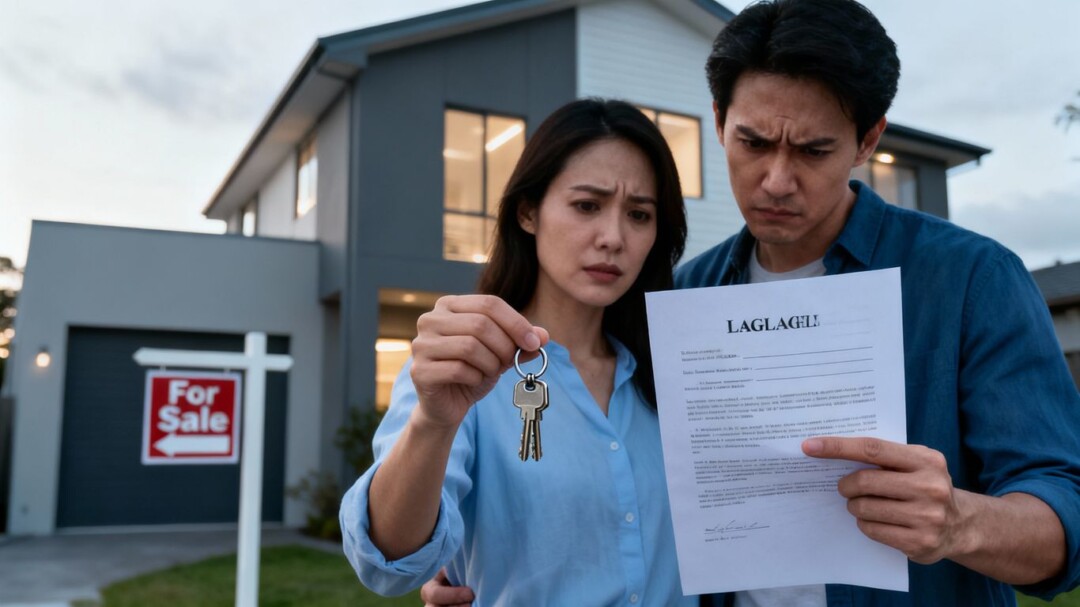
A common scenario for unmarried couples involves purchasing a home together, only to find that due to credit considerations, the property is legally registered under a single name. This situation can lead to significant complications if the relationship sours, leaving the partner whose name is not on the deed questioning their rights and financial contributions.
Key Takeaways
- Legal ownership is primarily determined by whose name appears on the property deed.
- Significant financial contributions can still grant rights, even without being on the deed.
- Documentation of all payments and agreements is crucial for asserting claims.
- Mediation or legal action may be necessary if an amicable agreement cannot be reached.
Navigating Property Ownership Without Your Name on the Deed
When a couple decides to buy a home, and for reasons like better credit, the property is placed in only one partner’s name, the partner who contributed financially but is not on the deed may feel disenfranchised, especially if they’ve shared down payments, mortgage payments, and repair costs. While the name on the deed holds legal precedence, the law does offer recourse for those who have made substantial financial investments.
Protecting Your Investment
The first and most critical step for the individual whose name is not on the deed is to meticulously gather all evidence of their financial involvement. This includes keeping records of every payment made towards the mortgage, utilities, and any home repairs. Bank statements, receipts, and any written communications, such as emails or text messages, that indicate a mutual understanding that the home was intended to be for both partners can be invaluable. This documentation serves as proof of your investment and expectations.
Seeking Resolution
Open communication with the partner whose name is on the deed is essential. Attempting to discuss the situation and reach a mutually agreeable solution is the ideal starting point. If direct negotiation proves difficult, consider involving a neutral third-party mediator. A mediator can facilitate a discussion and help both parties arrive at an agreement without resorting to costly and time-consuming legal battles.
Legal Options When Agreements Fail
If the partner on the deed is unwilling to negotiate or compromise, legal action may become the only viable option. Courts may recognize the financial contributions made by the partner not on the deed under legal principles such as "constructive trust" or "equitable interest." These legal concepts allow courts to acknowledge a claim to a share of the property based on significant financial contributions, even if the individual’s name is not on the official deed. In some cases, even if a share of the property isn’t awarded, the court might order the owner to reimburse the non-owner for their financial contributions.
Future Protection
Moving forward, it is crucial to implement measures to protect oneself in similar situations. When contributing to a property, ensure your name is included on the deed. Alternatively, a comprehensive written agreement clearly outlining each party’s rights and contributions can prevent future disputes. While trust and love are important in a relationship, having clear legal protections in place can safeguard against potential heartache and financial loss.