

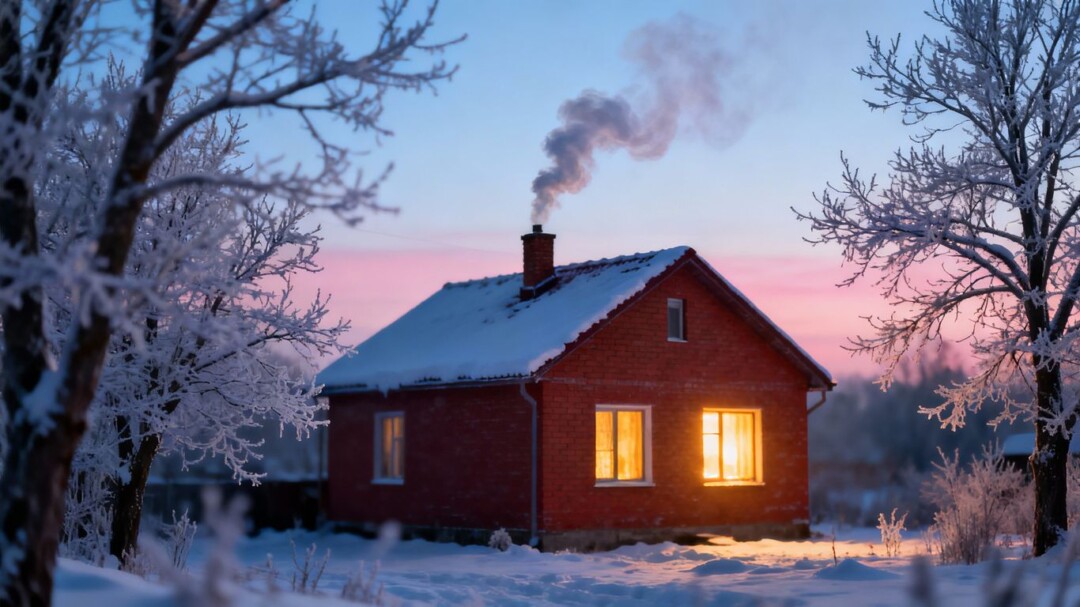
While many put their home searches on hold during the colder months, winter can present a unique opportunity for savvy buyers. Despite record snowfall and chilly temperatures, dedicated real estate professionals continue to facilitate transactions. This slower season, though often overlooked, can offer advantages like lower prices and less competition, making it a strategic time to enter the housing market if you’re prepared.
Key Takeaways
- Winter offers potential savings on home prices and mortgage rates.
- Expect a smaller inventory, requiring flexibility from buyers.
- Thorough inspections are crucial to account for weather-related issues.
- The slower pace allows for more deliberate decision-making.
Embrace the Price Advantage
Winter is typically the quietest season for real estate, with fewer homes listed compared to spring and summer. However, this lull can translate into significant savings. Homes listed between December and February often see price reductions, with sellers more amenable to negotiation, especially if a property has been on the market for an extended period. Furthermore, mortgage rates can present a compelling opportunity. For instance, the average 30-year fixed mortgage rate has seen a notable decrease, offering a chance to secure a lower rate than in previous years. It’s advisable to get preapproved by multiple lenders to ensure you’re getting the best possible deal and consider options like a "float down" to benefit from further rate drops.
Navigate a Slimmer Selection
The trade-off for potential savings is a reduced inventory of homes for sale. This means buyers may need to be more flexible with their preferences. Considering properties that might require some updates or overlooking minor imperfections could lead to a better deal. While February often sees an uptick in new listings, understanding your local market’s rhythm with the help of a buyer’s agent is key. Being open to different types of properties can help you capitalize on the winter market.
Winter Inspections: What to Watch For
When inspecting a home in winter, pay close attention to how the property performs in colder conditions. Check for drafty windows and assess the natural light. It’s also wise to request photos of the property during milder weather, as deep snow can conceal issues like siding damage, roof problems, or septic system failures. A comprehensive home inspection is paramount, and doing extra due diligence can prevent surprises down the line, such as discovering neglected items on the property once the snow melts.
Flexibility in Timing and Services
While moving companies might offer lower rates during the winter due to decreased demand, be prepared for potential weather-related delays that could impact routes and labor hours. For cosmetic renovations, contractor availability might be better, potentially leading to cost savings. However, essential services like plumbers and HVAC technicians may be in high demand for emergency calls related to heating issues and frozen pipes, making it harder to schedule non-urgent work.
The Benefit of a Slower Pace
Winter’s slower market pace offers a distinct advantage: less competition. With fewer offers per listing and homes staying on the market longer, buyers have more time to deliberate, ask questions, and negotiate. This unhurried environment allows for a more intentional approach to purchasing a home, fostering confidence in each step of the process. This deliberate approach ensures you’re well-prepared when the perfect home, whether found now or in the spring, becomes available.