

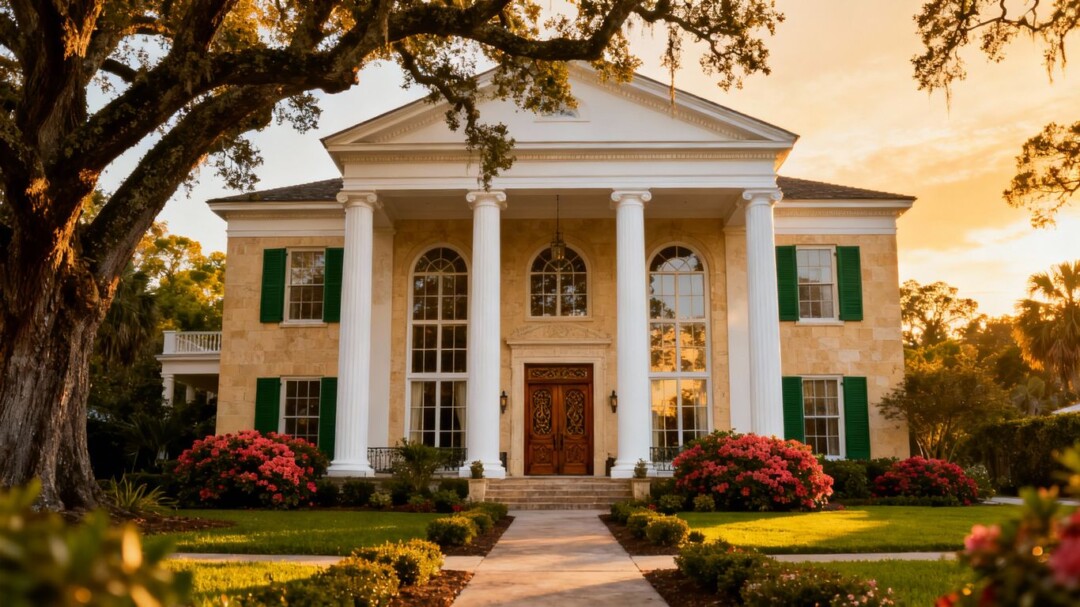
Tampa’s oldest house, a resilient structure built in 1842, has once again hit the real estate market with a price tag of $1.8 million. This nearly 200-year-old bungalow has a remarkable history, having survived numerous challenges, including relocation, conversion to various uses, and even a Ponzi scheme.
Key Takeaways
- Built in 1842 by physician Sheldon Stringer.
- Located at 2111 W Cleveland St. in Hyde Park.
- Previously moved from its original downtown Jackson Street location.
- Underwent significant restoration after falling into disrepair.
- Was part of a Ponzi scheme auction before its last sale.
A Survivor’s Journey
The historic home, originally constructed on Jackson Street, has a storied past. In 1914, it was moved to make way for a new city hall. Disassembled and transported by train, it found a new home in Gary, south of Ybor City, where it eventually served as a low-income boarding house. Over the decades, it faced neglect and damage, with several attempts at restoration proving unsuccessful.
Recent History and Restoration
In 2016, the hedge fund EquiAlt purchased the house for $55,000 and spent $215,000 to relocate it to its current Hyde Park address with plans for renovation. However, these plans were derailed when EquiAlt was accused of running a Ponzi scheme in 2020. The property was subsequently auctioned off.
Stress Free Construction LLC acquired the home in 2022 for $460,000. They invested heavily in its restoration, completing essential foundation work and updating the plumbing, roofing, electrical systems, air conditioning, and adding a wheelchair lift. The 2,120-square-foot bungalow has been transformed into a two-story commercial office space.
Preserving Historic Charm
The restored interior features modern amenities while retaining historical elements. The first floor includes offices, an executive suite, a conference room, and a kitchenette. The second floor offers additional office space, cubicle areas, storage, and bathrooms. Notably, one of the original wood beams has been exposed, and much of the salvaged original wood has been incorporated into accent walls, showcasing the home’s enduring character. The listing agent highlighted that the house, despite its historical significance, was not officially protected and could have easily been demolished, underscoring the importance of its recent preservation.