

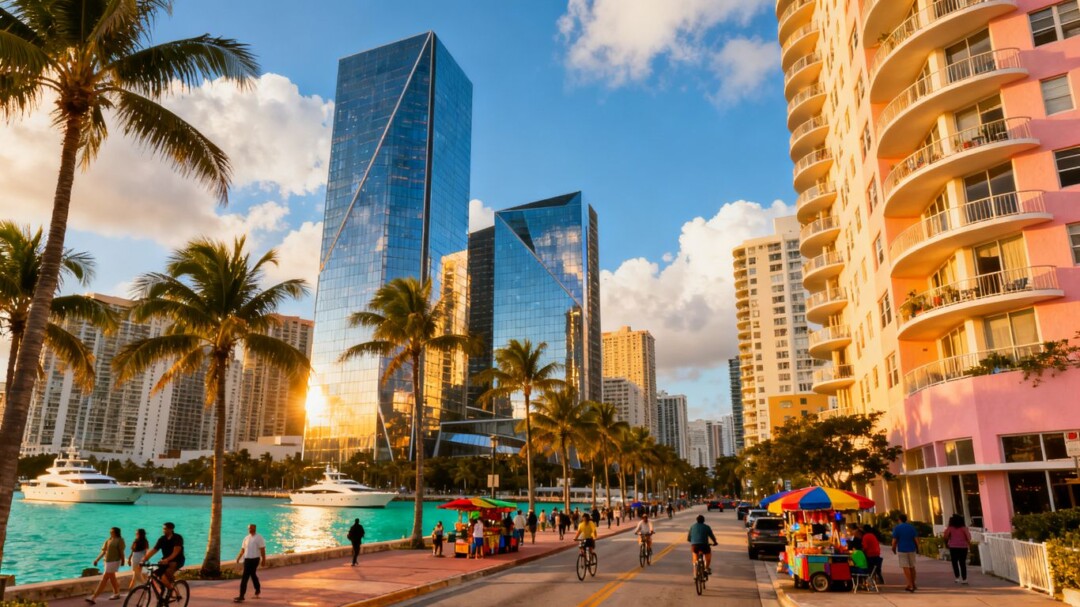
South Florida’s real estate market is gearing up for a dynamic 2026, with developers increasingly focusing on the revitalization of downtown areas and a robust residential sector. This strategic shift is driven by a growing influx of new residents and a demand for urban living, signaling a significant period of expansion and opportunity across the region.
Key Takeaways
- Developers are prioritizing downtown Miami and Brickell, viewing them as prime locations for new mixed-use developments and high-quality office spaces.
- The residential market is experiencing a boom, with strong demand for both single-family homes and condominiums, particularly resale units.
- Urban core areas are seeing a trend towards smaller living spaces, emphasizing location, walkability, and proximity to amenities.
- Transportation improvements, such as the Brightline rail service, are enhancing the desirability of urban centers and driving development around transit hubs.
Downtown Development Focus
Developers are placing significant bets on the urban core, particularly Downtown Miami and Brickell, identifying them as key areas for future growth. This focus is fueled by the development of major projects like the Citadel tower, set to be the tallest office building in South Florida, and the expansive Miami Worldcenter mixed-use development. The vision for Brickell Bay Drive is to transform it into a premier commercial and residential destination, akin to New York’s Fifth Avenue. Areas like Edgewater are also expected to continue their growth trajectory, benefiting from their proximity to transportation and vibrant urban life.
Residential Market Trends
The residential real estate sector in South Florida is experiencing a notable boom. While condo transactions saw a decline in some areas like Miami-Dade and Broward counties, prices have softened, making resale condos an attractive option for buyers. In contrast, single-family home sales have seen significant increases in both Miami-Dade and Broward counties, with corresponding price appreciation. Experts anticipate continued growth in single-family home sales, though not at the unprecedented rates seen during the pandemic. The demand for housing is being met by a diverse range of buyers, including those attracted by the region’s economic opportunities and quality of life.
Evolving Living Spaces
In response to market demands and rising construction costs, developers are adapting their strategies. There’s a noticeable trend towards smaller living spaces, with a greater emphasis placed on location, walkability, and the availability of nearby amenities such as restaurants and shopping. This shift caters to a demographic that prioritizes convenience and access to urban experiences. Additionally, the region is seeing a rise in "Live Local Projects," which integrate workforce housing components into multifamily developments, addressing diverse housing needs.
Transportation and Infrastructure
Improvements in transportation infrastructure are playing a crucial role in shaping development patterns. The expansion of services like the Brightline train is making urban centers more accessible and desirable, encouraging development around transit hubs. This enhanced connectivity is vital as the region anticipates continued population growth and faces ongoing challenges with traffic congestion. The integration of public transit is seen as a key factor for sustained growth in the urban core.
Sources
- South Florida Top Real Estate Deals: Wednesday, Feb. 4, 2026, The Real Deal.
- Where South Florida real estate developers are placing their bets for 2026 – NBC 6 South Florida, NBC 6 South Florida.
- South Florida downtowns boom with retail as residents relocate, The Business Journals.
- What 2026 holds for South Florida real estate – NBC 6 South Florida, NBC 6 South Florida.