

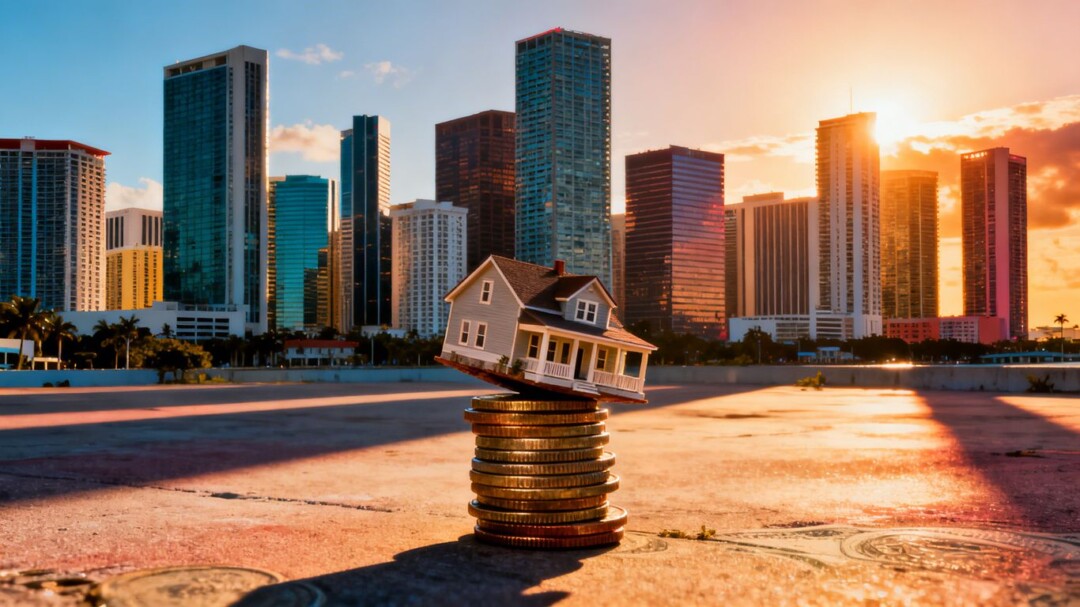
Miami has been identified as the world’s riskiest housing market, surpassing major cities like Los Angeles and New York in potential bubble risk. This designation comes amid a confluence of factors including record-low affordability, significant condo repair costs, and escalating insurance premiums, despite the state’s attractive tax environment.
Key Takeaways
- Miami now leads the globe in housing bubble risk, according to UBS’ Global Real Estate Bubble Index for 2025.
- The city’s housing appreciation has outpaced fundamentals like rent and income growth over the past 15 years.
- While a sharp correction is not immediately anticipated, affordability concerns are mounting.
A Perfect Storm for Miami Homeowners
Miami’s ascent to the top of UBS’ Global Real Estate Bubble Index for 2025, with a score of 1.73, signals a "high risk" level, exceeding even the peak of the 2006 housing bubble. The report highlights that over the last 15 years, Miami has experienced the strongest inflation-adjusted housing appreciation among all cities studied. This rapid price growth has outpaced increases in rents and incomes, a trend historically associated with housing crises.
Factors Driving the Risk
Several factors contribute to Miami’s precarious housing market position. While Florida’s tax-friendly climate continues to attract wealthy individuals from high-tax states, local residents are grappling with a "perfect storm." This includes record-low affordability, substantial condo repair bills, and surging insurance premiums. The report notes that in cities with elevated bubble risk, inflation-adjusted home prices have risen nearly 25% in the last five years, while rents increased by about 10% and incomes by only 5%. This widening gap between price appreciation and fundamental economic indicators is a significant concern.
Regulatory Squeeze and Future Outlook
Beyond market dynamics, a regulatory squeeze is impacting the middle class in Florida. Owners of older condominium units are facing rising maintenance and reserve costs. Despite these challenges, the report suggests that a sharp correction in Miami’s housing market is unlikely in the coming quarters, though price growth is expected to turn negative. The city’s appeal, driven by its coastal lifestyle and favorable tax environment, continues to draw newcomers, keeping real estate prices competitive compared to New York and Los Angeles, even as bubble risk escalates.