

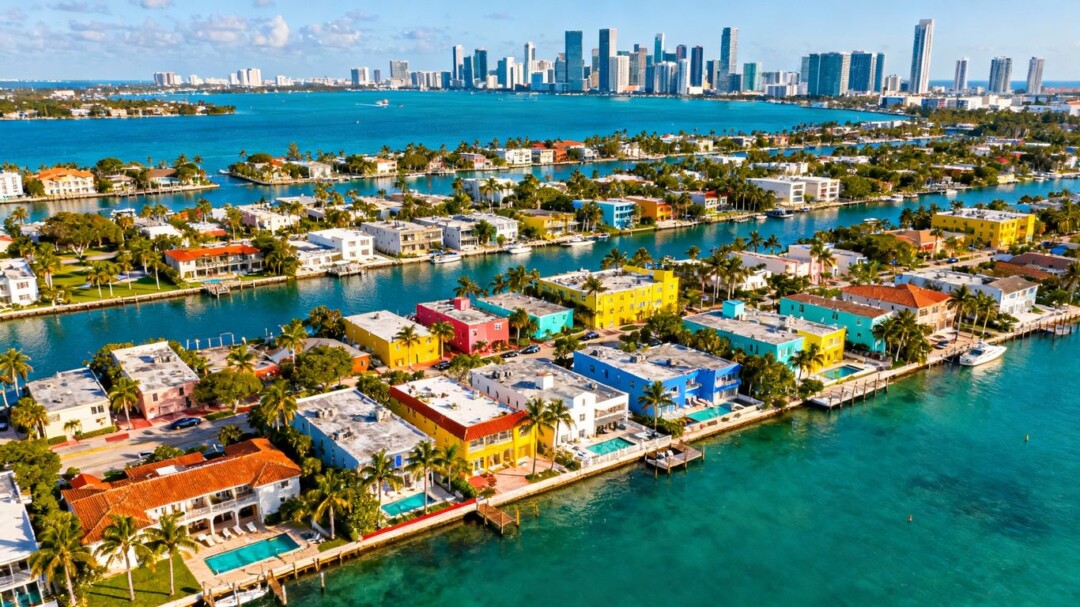
Considering a move to Miami in 2026? The vibrant city offers a diverse range of neighborhoods, each with its unique appeal and drawbacks. From bustling urban centers to serene, family-friendly enclaves, choosing the right spot is crucial for a successful relocation. This guide breaks down the pros and cons of Miami’s most sought-after areas to help you find your perfect fit.
Key Takeaways
- Miami’s neighborhoods cater to diverse lifestyles, from young professionals to families and retirees.
- Consider factors like schools, commute, lifestyle, and investment potential when choosing a neighborhood.
- Inventory levels and building fundamentals are key indicators for future appreciation.
Brickell: The Urban Hub
Brickell is ideal for those seeking an urban lifestyle with a plethora of dining, shopping, and entertainment options. Its high-rise condos offer modern amenities and convenient access to public transportation.
- Pros: Highly walkable, excellent transit, abundant modern condos, good resale demand for well-maintained units.
- Cons: Potential oversupply in some towers, high association fees, limited yard space.
- Best for: Young professionals, empty nesters, condo investors.
- Outlook: Steady demand for prime units, but watch for inventory pressures.
Coconut Grove: A Leafy Village Feel
Known for its lush greenery and village atmosphere, Coconut Grove is a top choice for families and boaters. It offers a more relaxed pace with good schools and access to parks and marinas.
- Pros: Excellent for families, boating access, desirable homes, limited quality inventory.
- Cons: Fewer new condos with modern amenities, potential commute challenges.
- Best for: Families with young children, boat owners, those seeking a neighborhood feel.
- Outlook: Strong upside potential due to constrained supply.
Coral Gables: Classic Elegance and Strong Schools
Coral Gables boasts a beautiful streetscape, established single-family homes, and highly-rated schools, making it a perennial favorite for families and long-term residents.
- Pros: Excellent schools, beautiful surroundings, stable single-family market.
- Cons: High price points, fewer entry-level options.
- Best for: Families (all ages), empty nesters seeking prestige.
- Outlook: Steady appreciation driven by strong fundamentals.
Pinecrest: Space and Serenity
Pinecrest offers large lots, a low-density environment, and top-tier schools, appealing to families who value space and a suburban feel.
- Pros: Large yards, excellent schools, neighborhood feel, privacy.
- Cons: Less urban, longer commutes to downtown, fewer affordable options.
- Best for: Families with school-aged children, empty nesters seeking privacy.
- Outlook: One of Miami’s steadiest markets with consistent appreciation.
Miami Beach: Lifestyle and Investment Potential
Miami Beach offers a unique lifestyle with beach access and a vibrant hospitality scene. While some areas are ideal for second-home buyers and investors, others require careful consideration due to building conditions and inventory.
- Pros: Beach access, international buyer demand in select areas, waterfront homes.
- Cons: Flooding and insurance concerns in older buildings, uneven inventory.
- Best for: Second-home buyers, empty nesters, investors in high-amenity towers.
- Outlook: Varies significantly by submarket and building quality.
Key Biscayne: Island Living
This island paradise provides a strong sense of community, excellent schools, and ample recreational opportunities, making it attractive for families and those seeking a secure, island lifestyle.
- Pros: Top schools, strong community, boating, parks, limited supply supports pricing.
- Cons: Higher commute times to the mainland, fewer options for rental yield investors.
- Best for: Families, boaters, second-home buyers prioritizing safety and community.
- Outlook: Positive long-term outlook due to limited supply.
Final Considerations
When choosing a Miami neighborhood for 2026, prioritize your lifestyle needs—whether it’s schools, walkability, or proximity to water. Always consider the building-level fundamentals, such as inventory levels, sales velocity, and HOA health, to make informed decisions for both living and investment.