

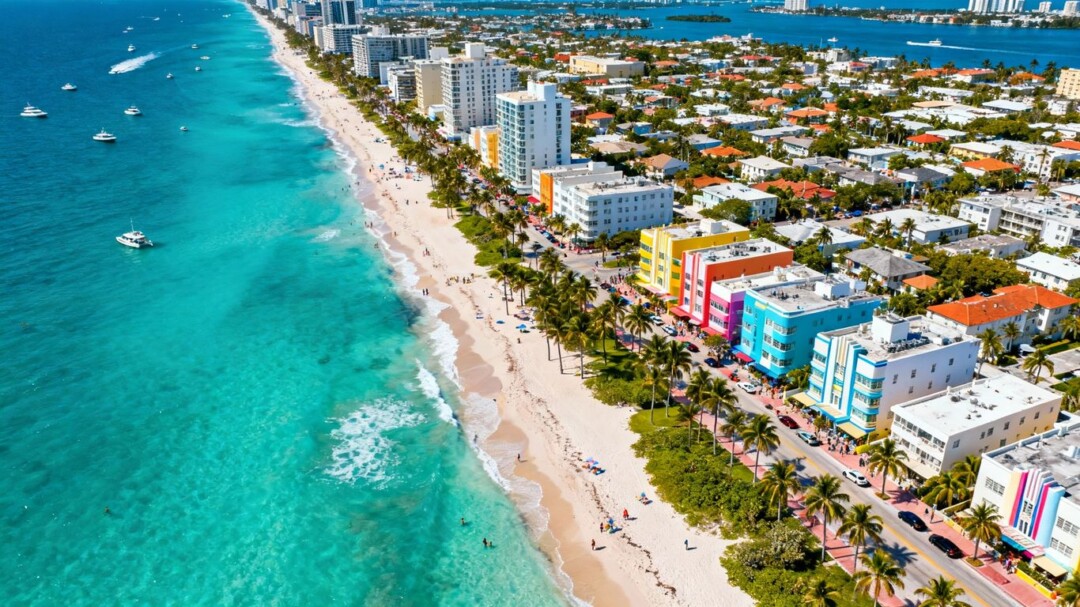
As Miami continues its dynamic growth, prospective residents in 2026 face a crucial decision: which neighborhood best suits their lifestyle? The David Siddons Group offers a comprehensive guide, breaking down the pros and cons of key areas to help families and investors navigate the vibrant Miami real estate market.
Key Takeaways
- Miami’s diverse neighborhoods cater to distinct preferences, from urban professionals to families seeking suburban tranquility.
- Understanding neighborhood-specific market trends, housing types, and lifestyle fits is crucial for informed relocation decisions.
- Factors like school districts, proximity to water, and commute times significantly influence neighborhood desirability.
Brickell: The Urban Core for Condo Living
Brickell remains a prime destination for condo buyers, offering a highly walkable urban environment with abundant dining, job opportunities, and modern high-rise residences. Its appeal lies in its transit access and a deep inventory of condos with excellent amenities. However, potential buyers should be aware of the risk of oversupply in less desirable towers and higher association fees in some buildings.
- Best for: Young professionals, empty nesters, and condo investors.
- Appreciation Outlook: Medium, with steady demand for well-maintained units.
Coconut Grove: A Leafy Village for Families and Boaters
Coconut Grove is a top choice for families seeking yards, parks, good elementary schools, and boating access. The scarcity of quality lots makes well-maintained homes highly sought after. While it offers fewer new condos with modern amenities compared to downtown, its village feel is a significant draw.
- Best for: Families with elementary-age children, boat owners, and those desiring a neighborhood atmosphere.
- Appreciation Outlook: Stronger upside for turnkey homes due to constrained supply.
Coral Gables: Classic Appeal and Strong Schools
Known for its excellent schools, beautiful streetscapes, and established single-family home market, Coral Gables appeals to long-term buyers. The main drawback is its high price point, which can limit entry-level options. It’s ideal for families and empty nesters seeking a prestigious and quiet environment.
- Best for: Families (elementary and high school) and empty nesters.
- Appreciation Outlook: Steady appreciation, particularly for well-maintained properties.
Pinecrest: Space, Schools, and Family Focus
Pinecrest offers large yards, a strong neighborhood feel, excellent schools, and low density, making it perfect for families needing ample space. The trade-off is less urban living and potentially longer commutes to downtown. It’s a stable market with strong potential for long-term value appreciation.
- Best for: Families with school-age children and empty nesters seeking privacy.
- Appreciation Outlook: One of Miami’s steadiest markets, with high appreciation potential.
Miami Beach: Lifestyle and Segmented Markets
Miami Beach offers unparalleled beach access and a vibrant hospitality scene, attracting international buyers to select towers. For homeowners, desirable waterfront communities are a major draw. However, older buildings may face flooding, insurance, and maintenance challenges. The market here is varied, with pricing pressure in areas with high inventory.
- Best for: Second-home buyers, empty nesters, and investors in high-amenity towers.
- Appreciation Outlook: Mixed, with significant variance depending on building condition and supply.
Key Biscayne: Island Living with a Community Focus
Key Biscayne boasts top schools, a strong sense of community, boating opportunities, and parks. Its island scarcity helps support pricing. Commute times to the mainland can be longer, and it offers fewer options for condo investors seeking rental yield. It’s a safe and community-oriented choice for families and second-home buyers.
- Best for: Families, boaters, and second-home buyers prioritizing safety and community.
- Long-Term Outlook: Positive, driven by limited supply.
Fisher Island: Ultimate Privacy and Ultra-Luxury
Fisher Island offers an ultra-exclusive, private-island lifestyle with exceptionally high per-unit price points and extremely limited supply. The significant price barrier makes it inaccessible for most buyers, and liquidity can be slow, though top-tier prices remain durable. It’s the epitome of luxury for the ultra-wealthy seeking privacy.
- Best for: Ultra-wealthy second-home buyers and privacy seekers.
- Market Outlook: High appreciation probability due to market leadership and scarcity.
Sunny Isles Beach: Oceanfront Condos and Branded Towers
Sunny Isles Beach is characterized by large new towers, ocean views, and strong marketing and amenity packages. Certain branded projects continue to command premiums. However, a substantial pipeline of new units can lengthen sales cycles for mid-tier products, and resale for older towers may face pressure.
- Best for: Investors, second-home buyers, and those seeking oceanfront condo living.
- Market Outlook: Mixed, with inventory and unit positioning being key considerations.
Bal Harbour & Surfside: Boutique Luxury and Serenity
These areas offer high-end retail at the Bal Harbour Shops, quieter beachfront living in Surfside, and boutique luxury towers. They represent smaller, more cyclical markets that are price-sensitive at the top end. Quality product tends to outperform in these exclusive enclaves.
- Best for: Empty nesters, affluent second-home buyers, and luxury investors.
- Market Outlook: Quality product tends to outperform.
Final Thoughts
Choosing the right Miami neighborhood in 2026 hinges on lifestyle needs and solid market fundamentals. Areas with constrained supply and strong owner-occupancy, such as parts of Coconut Grove, Coral Gables, and Pinecrest, generally offer more durable appreciation. Conversely, neighborhoods with high new-build pipelines require more selective purchasing. Consulting with local real estate experts can provide invaluable building-level data to align with individual goals.