

Latin American buyers are significantly shaping the South Florida real estate market, injecting substantial capital into properties across the region. This trend is driven by a combination of economic and political factors in their home countries, leading them to seek stable investments and a hedge against currency fluctuations.
Key Takeaways
- Latin American investors accounted for $367 million in South Florida real estate transactions between August 2023 and July 2024.
- This represents 29% of all foreign real estate investments in the United States.
- A significant majority (91%) of these buyers are acquiring property for investment purposes, such as rentals.
- A large portion (68%) pay in cash, indicating strong liquidity and a desire to "dollarize" their savings.
Driving Forces Behind the Investment Surge
Political and economic instability in various South American nations are primary catalysts for this investment trend. High-net-worth individuals (HNWIs) from countries like Brazil, Argentina, Mexico, Colombia, and Venezuela are increasingly looking towards Florida, particularly Miami, as a safe haven for their wealth. This pursuit is not only about financial security but also about securing a better quality of life, with Florida offering luxury properties, a vibrant business environment, and cultural familiarity.
Miami: A Hub for Latin American Capital
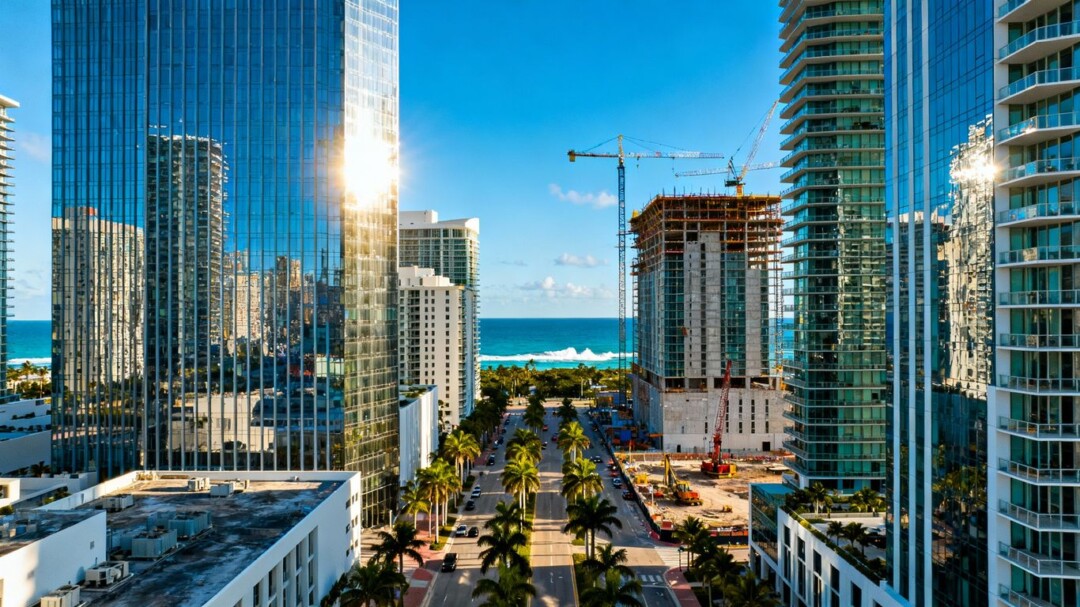
Miami has emerged as a central hub for these investments, attracting individuals seeking both wealth preservation and capital appreciation. The city’s appeal is amplified by its proximity to Latin America, favorable tax environment, and its status as an international financial and cultural center. Developers have responded by creating luxury condominiums, waterfront properties, and penthouses tailored to the tastes of affluent foreign buyers, leading to an upscale real estate boom in areas like South Beach, Brickell, and Coral Gables.
Investment Strategies and Facilitation
Latin American buyers are often focused on investment properties, whether for long-term rentals, vacation rentals, or a combination of both. The high percentage of cash purchases underscores a strong liquidity position and a strategic decision to convert local currency into U.S. dollars amidst economic uncertainty. For many, Florida’s real estate market offers steady property appreciation, strong legal protections, economic predictability, and solid rental income potential. Professionals such as private bankers and investment advisors play a crucial role in guiding these HNWIs through the complexities of purchasing and managing properties in a foreign market, offering tailored solutions that align with their financial and lifestyle goals.
Brazilian Investors Lead the Charge
Brazil, in particular, has seen a significant outflow of capital seeking refuge in Florida real estate. Driven by economic and political turbulence, Brazilians are investing heavily in areas like Orlando, Miami, and Tampa. The ease of financing for foreign nationals, with down payments as low as 25%, has made U.S. properties more accessible. Investors are advised to think like investors, focusing on properties with good rental income potential or mid-term appreciation, rather than solely on personal residency needs. While some investment strategies like flips or auctions can be risky, well-managed rental properties in high-demand areas continue to offer attractive returns.
Sources
- Latin American buyers dominate South Florida Real Estate investments | Real Estate, IslanderNews.com.
- Who’s buying new condos in Miami? How Latin American politics drives demand., Tampa Bay Times.
- The Impact of HNWI from Latin America on the Real Estate Market in Florida, Funds Society.
- The Surge of Investors Buying Property in Florida, Digital Journal.