

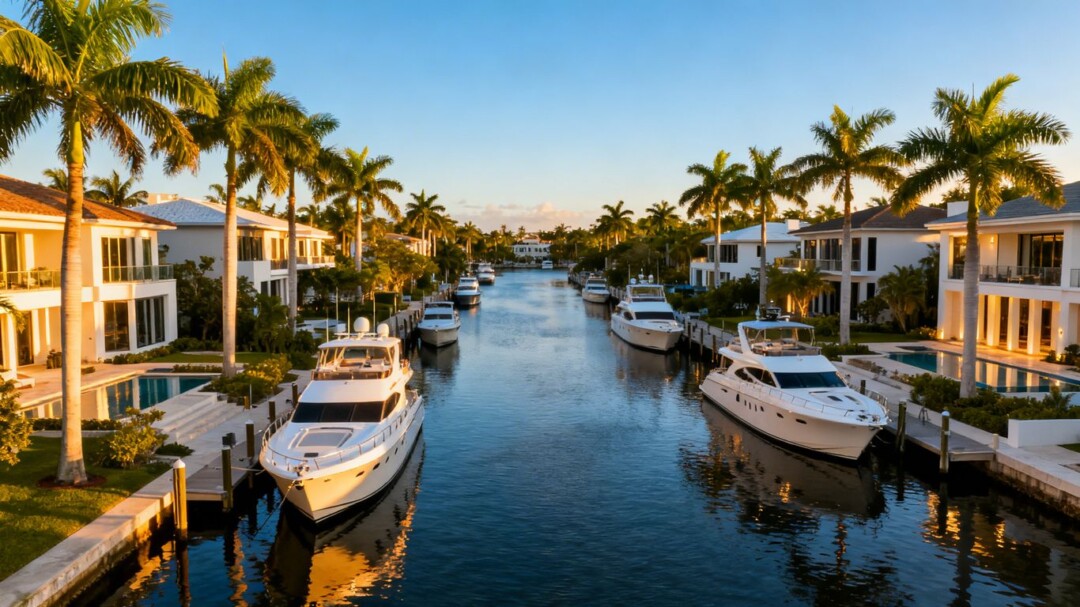
Fort Lauderdale’s luxury real estate market is experiencing a subtle transformation in early 2026. While prices at the top remain strong, the market is being reshaped by disciplined buyers, rising inventory, and a focus on value and precision.
Key Takeaways
- The ultra-luxury ($5M+) segment is slowing, with more inventory and longer selling times
- Price gaps between listing and sale are widening, making realistic pricing crucial
- Location, risk clarity, and condition define which properties move fastest
- New developments are raising standards and adding healthy competition
- Out-of-state buyers, especially from high-tax markets, remain active but selective
Demand Shifts Toward Data-Driven Decisions
Buyers in 2026 are more analytical than ever, scrutinizing every detail, from land value to building reserves and insurance costs. Most of these buyers are relocating from states such as New York and California, seeking a balance of lifestyle and long-term financial stability. As a result, even as luxury prices maintain their heights, properties are spending more days on the market, especially in the ultra-luxury sector.
Pricing Discipline Shapes Market Outcomes
A growing gap exists between list and sale prices, with condos averaging a 17% difference and single-family homes showing nearly a 29% spread. Properties that rush to market with optimistic list prices often linger and face repeated reductions, while those priced in line with recent sales data sell faster and with fewer concessions. Precision, not optimism, is now the decisive factor for sellers.
Where the Action Is—and Isn’t
Location and condition are driving market velocity. Waterfront homes under $3 million, redevelopment lots in areas like Coral Ridge and Las Olas Isles, and newer condos see steady demand. In contrast, older or less-distinct inventory faces slowing absorption and steeper discounts. Notably, most single-family sales involve homes built before 2015, indicating continued strong appetite for land and renovation potential. In the condo sector, buyer interest skews toward post-2015 buildings with solid finances and low risk of assessments.
New Developments Boost Competition and Expectations
Major branded projects—including the St. Regis and Ritz-Carlton Residences—are changing the landscape with elevated standards for amenities, structural resilience, and transparency. This fresh inventory puts pressure on older, unrenovated properties, especially those lacking strong reserves or clear capital planning. Meanwhile, large-scale developments like the Galleria redevelopment signal longer-term absorption trends in mid-tier segments and future growth.
National Reach Matters More Than Ever
A defining feature of the current market is the influx of out-of-state, equity-rich buyers. These discerning clients require targeted marketing that not only showcases property features but also actively promotes lifestyle, location amenities, and security. Digital presence and national exposure are now vital tools for sellers aiming to reach these buyers.
Looking Ahead: A Market in Strategic Recalibration
Despite headlines, the luxury real estate market in Fort Lauderdale is not in decline but entering a more mature, balanced phase. Buyers and sellers who use data, align with current trends, and understand the new market realities are set to achieve the best outcomes. Overpricing and ignoring new buyer expectations risk missed opportunities, while strategy and realism are now the true keys to success.