

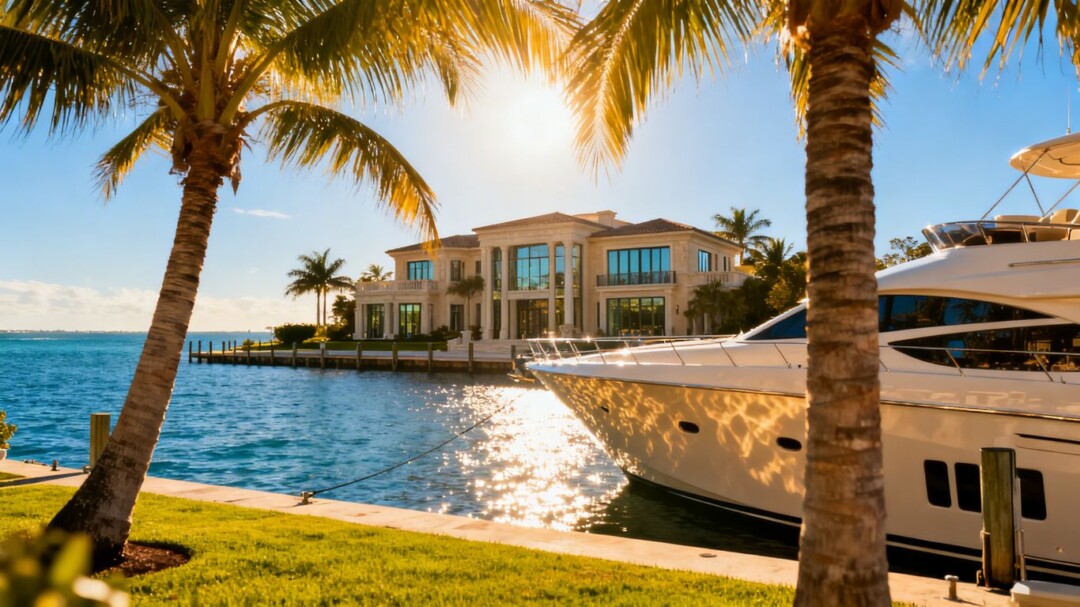
Fort Lauderdale’s high-end real estate market is undergoing a significant transformation as buyers from New York and California flock to South Florida, reshaping both demand and pricing in the city’s luxury sector. The Q1 2026 report reveals a slowdown at the ultra-luxury level, with expanded inventory, savvy buyers, and increased negotiation shaping new market dynamics.
Key Takeaways
- Waterfront and prime locations continue to draw lifestyle-first, equity-rich buyers from high-tax states.
- The $5M+ segment is seeing reduced momentum, extended listing times, and sharper negotiation.
- Quality, precision pricing, and clear market positioning are now essential for sellers.
- New developments and branded condos are setting higher expectations for both product and transparency.
Market Trends: From Acceleration to Consolidation
Momentum in the $5 million-plus market has given way to caution and selectivity. Inventory is at a multi-year high, shifting pricing leverage to buyers who study value, land utility, and replacement cost more meticulously than ever.
Single-family homes and luxury condominiums—particularly those without top-tier amenities or recent renovations—are experiencing longer days on market and broader discounting. Newer, branded condos still garner attention, but buyers expect negotiation as ample new supply enters the pipeline.
The Expectation Gap: Sellers, Price Realistically
A growing disconnect exists between list prices and actual sales. In Q1 2026, condos saw a 17% average list-to-sale difference, while single-family homes hit 29%. Over 30% of homes in both categories have already reduced asking prices.
Properties aligned with recent transaction data—factoring in maintenance, reserves, insurance, and future resale—tend to move faster and closer to asking price. Overpriced or over-leveraged listings face protracted negotiations and extended marketing periods.
Velocity Varies: Where Deals Happen
Demand is strongest for waterfront properties, homes east of US-1, and those with renovation potential. About 70% of single-family closings involved homes built before 2015, reflecting buyers’ interest in land and future value.
For condos, 64% of sales occurred in post-2015 buildings, underscoring the importance of structural soundness, reserves, and minimal repair risk. Sales slow dramatically above $5M, especially for older buildings or properties with uncertain futures.
New Supply Raises the Bar
Major new condo projects—such as St. Regis Bahia Mar and Ritz-Carlton Residences—are elevating design and amenity standards. Older properties lacking upgrades or strong financials are under growing pressure, as buyers compare all options against the latest developments.
Broader projects add competition to mid-tier segments and lengthen absorption timelines, while tear-down and redevelopment push up price benchmarks in eastside neighborhoods.
Out-of-State Buyers Dominate The Scene
Relocation-driven buyers from New York, California, and similarly high-cost markets now set the pace. These buyers are analytical, weighing Fort Lauderdale against Miami, Palm Beach, and national alternatives. Cash deals remain common, but patience is the new norm.
For sellers, national-level marketing and lifestyle-driven storytelling are critical. Successful listings now emphasize not just the property, but the neighborhood experience and long-term value.
Looking Ahead: What It Takes To Succeed
Fort Lauderdale’s luxury market is recalibrating—not collapsing. Precision in pricing, transparency in property details, and a willingness to align with real-time market realities define both speed and net returns.
Both buyers and sellers must be strategic, leveraging data-driven decision making to navigate the evolving luxury landscape of 2026.