

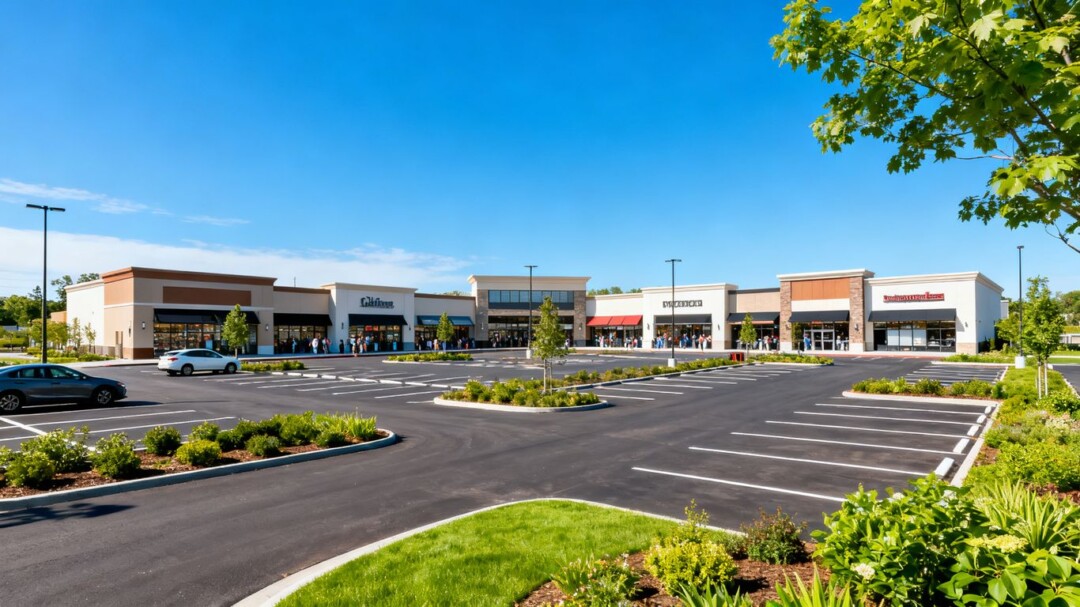
A Florida real estate corporation has acquired a shopping center in the Kansas City market for $63.3 million, adding a sizable commercial property to its portfolio. The transaction underscores continued investor interest in established retail assets, although details about the center, buyer, seller and closing date were not disclosed.
Key takeaways
- A Florida-based real estate corporation completed the acquisition.
- The Kansas City shopping center changed hands for $63.3 million.
- The buyer and property’s individual names were not provided.
- The deal reflects ongoing demand for retail real estate in major regional markets.
A significant retail transaction
The $63.3 million purchase represents a major investment in Kansas City-area retail real estate. Shopping centers can attract institutional and private capital because they combine recurring lease income with the potential for long-term appreciation.
The available announcement did not identify the shopping center, its location within the Kansas City region, its size or its tenant roster. It also did not disclose whether the transaction included additional development, financing or planned renovations.
Florida buyer expands its footprint
The acquisition gives the Florida corporation ownership of a Kansas City commercial property and potentially broadens its geographic presence beyond its home market. For real estate companies, purchases in markets outside their primary operating region can provide portfolio diversification and exposure to different consumer and employment trends.
The corporation’s name and its plans for the property were not included in the available information. As a result, it is unclear whether the buyer intends to hold the center as a long-term income-producing asset, reposition it, or pursue further investment in the surrounding area.
What the deal could mean for the property
The effect on tenants and shoppers will depend on the buyer’s strategy and the center’s existing condition. New ownership may bring changes to leasing, property management, branding, maintenance or future redevelopment, but no such plans were announced.
The transaction also provides limited insight into pricing trends without additional information about the center’s occupancy, income, size and location. Those factors are typically central to evaluating whether a retail acquisition is positioned for growth or reflects a stable, income-focused investment.
Broader Kansas City market context
Kansas City’s role as a regional commercial hub makes it a notable destination for retail investment. A purchase of this size signals confidence in the area’s ability to support substantial commercial assets, though one transaction alone does not establish a broader market trend.
Further details about the property and the parties involved would clarify how the acquisition fits into local retail activity and the buyer’s overall investment strategy.