

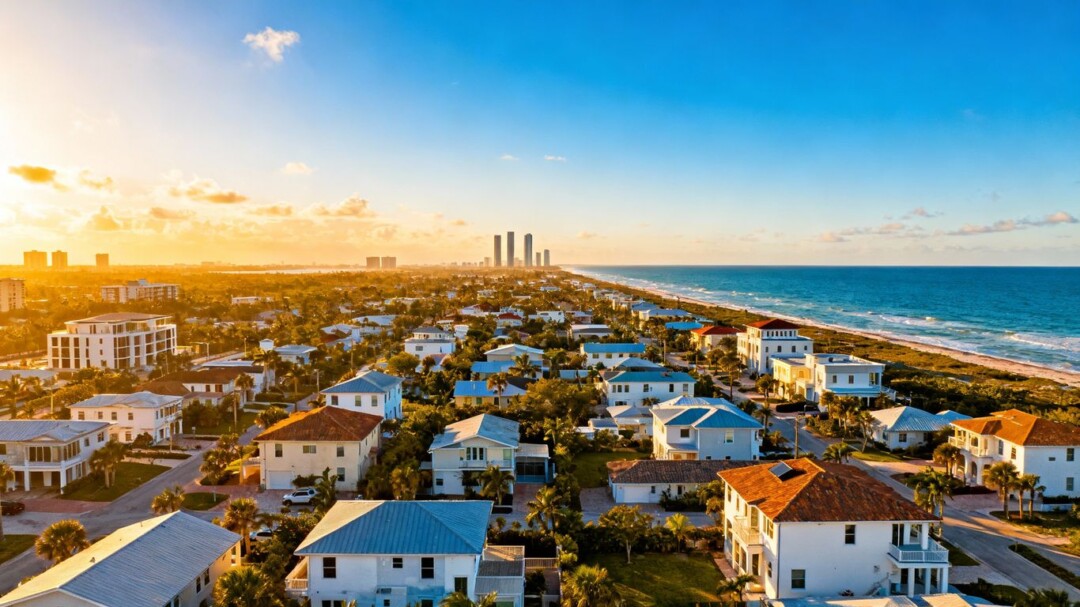
Florida’s once red-hot housing market is showing signs of a significant cooling, with projections indicating a potential price correction in several key areas by 2026. While a full-blown crash is debated, experts point to a notable recalibration driven by a confluence of economic factors and market dynamics.
Key Takeaways
- Five Florida housing markets are identified as having a high risk of price decline.
- Florida dominates the list of "coolest" housing markets experiencing the steepest home price declines.
- Rising insurance costs, higher interest rates, and a surge in inventory are contributing factors.
- Experts suggest a market "correction" rather than a catastrophic "crash" is more likely.
Markets Facing Potential Price Declines
According to recent analyses, several Florida metropolitan areas are being closely monitored for potential price drops. These markets experienced substantial growth during the pandemic-fueled boom and are now undergoing a period of adjustment. The cities identified with a high risk of price decline include:
- Cape Coral, FL
- Fort Lauderdale, FL
- Lakeland, FL
- Palm Bay, FL
- West Palm Beach, FL
These areas are part of a broader trend where Florida is heavily represented on lists of markets with the steepest home price declines. For instance, Cape Coral has seen its typical single-family home prices drop significantly year-over-year and even more so compared to the pandemic peak. North Port has experienced an even more dramatic long-term correction.
Driving Forces Behind the Cooling Trend
Multiple factors are contributing to the cooling housing market in Florida. High mortgage rates have reduced buyer affordability, while an increase in housing inventory means sellers are competing for a smaller pool of buyers. Additionally, Florida faces unique challenges such as escalating homeowner’s insurance premiums, particularly in coastal areas vulnerable to hurricanes and flooding. The ratio of insurance premiums to market value in some cities, like Cape Coral, is notably high, adding a substantial cost to homeownership.
Experts also point to the aftermath of a market that "went up too high, too fast" during the pandemic. This rapid appreciation made homes unaffordable for many, leading to weakened demand and necessitating a price correction. The return of remote workers to their primary offices has also contributed to increased inventory in some popular Florida destinations.
Correction vs. Crash: What to Expect
While the term "crash" often generates alarm, many real estate professionals believe a market "correction" is a more accurate description of the current situation. This implies a natural rebalancing of prices after a period of rapid inflation, rather than a catastrophic collapse. Buyers are still active but are seeking better value, leading sellers with unrealistic price expectations to adjust their figures.
For buyers, this period could present opportunities for better deals, provided they factor in the rising ancillary costs of homeownership. For sellers, realistic pricing based on current market conditions is crucial. Investors might find opportunities in markets poised for gradual, sustainable appreciation.
Future Outlook
The outlook for these Florida markets in 2026 suggests a move towards a more balanced and potentially healthier real estate environment. While some areas may continue to see price declines, the underlying fundamentals of Florida’s appeal—lifestyle, climate, and lack of state income tax—remain strong. As prices rebalance and become more accessible, demand is expected to pick up, leading to stabilization. The trajectory of mortgage rates will also play a critical role in shaping the market’s future.
Sources
- Multiple Florida Housing Markets Are on the Brink of a Crash in 2026, Norada Real Estate Investments.
- Ten US housing markets are crashing like the Great Recession – most are in Florida and Texas but one is a
surprise, Daily Mail. - Florida Dominates List of Areas Where Home Values Falling Fastest, Newsweek.