

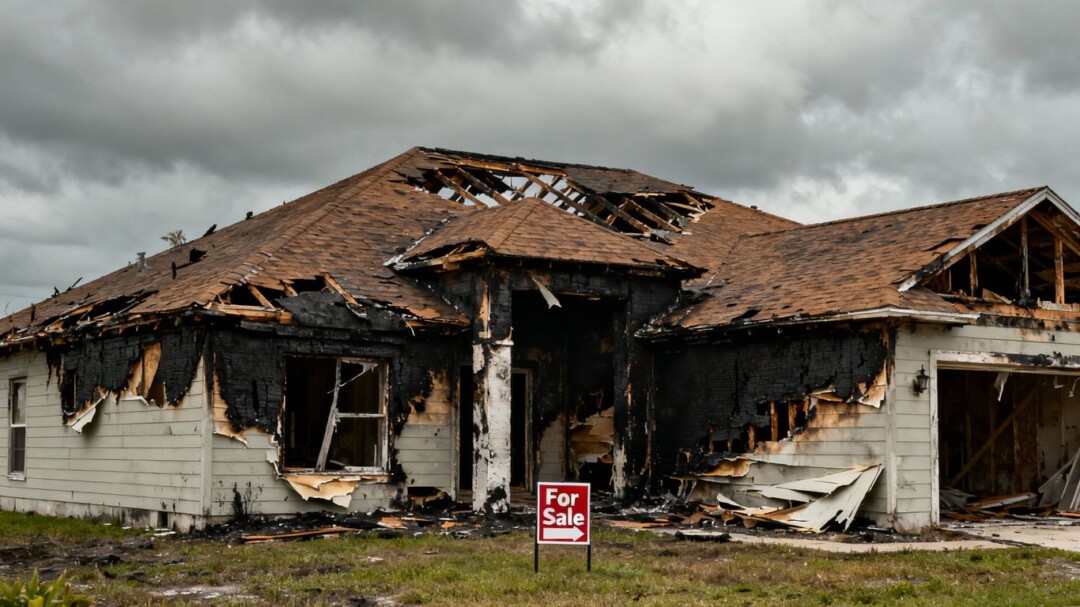
In a striking real estate move, a property in St. Petersburg, Florida, has been listed for $260,000, even as it smoldered from a fire. The listing emerged in the wake of severe hurricanes that have battered the state, causing widespread damage and escalating insurance costs. The unusual sale highlights the difficult decisions facing Florida homeowners after natural disasters.
Key Takeaways
- A fire-damaged home in Florida is on the market for $260,000, priced at "lot value."
- The listing reflects a trend of selling damaged properties "as is" due to high repair and insurance costs.
- Florida’s real estate market is increasingly influenced by climate risks and rising insurance premiums.
A Literal Fire Sale
A home in hurricane-battered St. Petersburg, Florida, has been put on the market for $260,000. The listing photos captured the property while it was still smoldering from a fire, presenting a stark image to potential buyers. The owner has opted to sell the property at "lot value," indicating that the land itself is the primary draw, rather than the existing structure.
This approach is becoming more common as homeowners grapple with the aftermath of severe weather. The decision to sell "as is" allows owners to divest from properties that would be costly and time-consuming to repair, especially given the current climate of rising insurance premiums and the potential for future storms.
Homeowner Options After Disaster
When faced with property damage from natural disasters, homeowners typically have a few paths forward:
- Sell at Lot Value: Similar to the St. Petersburg listing, owners can sell the property "as is," focusing on the land’s potential for investors or developers willing to rebuild from scratch. This strategy bypasses the immediate costs and complexities of repair.
- Repair and Rebuild: Some homeowners choose to undertake repairs and restore the property before selling. However, this can be an expensive and lengthy process, particularly if the damage is extensive. High insurance costs in Florida can further complicate this option.
- Take an Insurance Payout: If insurance covers the damage, homeowners might opt to accept a payout and walk away from the property. While this might not yield the full market value, it avoids the stress of rebuilding and ongoing insurance expenses.
Stormy Impacts on Florida’s Market
Florida’s real estate market is increasingly shaped by the frequency and intensity of hurricanes. The financial toll on homeowners is significant, with insured losses from recent storms projected to be in the billions. Home insurance costs in Florida are already substantially higher than the national average, and insurers are either increasing rates dramatically or withdrawing from the market altogether.
This situation creates a paradox where damaged properties in high-risk areas might become more financially accessible due to lower sale prices. However, potential buyers must carefully consider the long-term risks, including substantial renovation costs, ongoing insurance challenges, and the possibility of future weather events. For investors, these properties might offer opportunities, but thorough due diligence regarding total ownership costs is essential.