

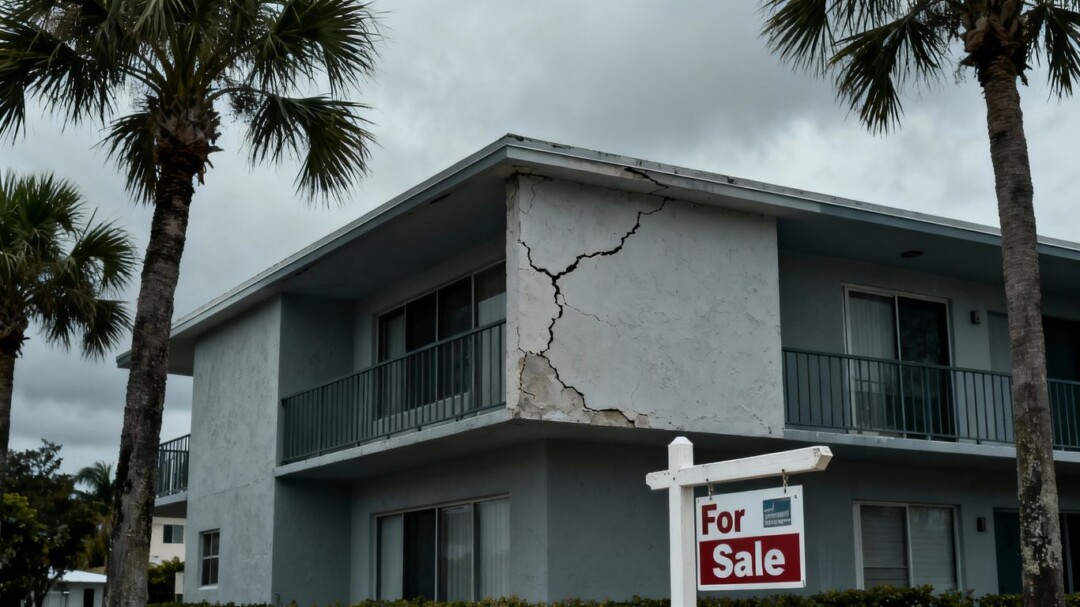
Florida’s condominium market is experiencing significant price declines, marking the steepest drop since the Great Financial Crisis. This downturn is occurring as new regulations, prompted by the Surfside collapse, aim to enhance structural safety and financial transparency in aging buildings. The combination of falling values, increased fees, and stricter building codes is reshaping the state’s real estate landscape.
Key Takeaways
- Condo values across Florida have fallen by 9.9% in the past year, with some areas seeing drops exceeding 18%.
- New regulations mandate stricter inspections and reserve funding for older buildings, increasing costs for owners.
- The market is bifurcating, with newer condos performing better than older ones facing significant repair costs and higher fees.
- The new laws aim to restore buyer confidence by increasing transparency and accountability in condo associations.
Condo Prices Plummet Across The Sunshine State
Recent data reveals a stark reality for Florida’s condo market, with statewide values down 9.9% over the last 12 months of 2025. This represents the most significant one-year decline since 2009. However, this statewide average masks more severe losses in specific regions. On the Gulf Coast, Punta Gorda has seen condo prices plummet by 18.6% year-over-year, followed by Cape Coral at 14.2%. Tampa and parts of Sarasota have also experienced double-digit drops between 12% and 18%. Even South Florida markets are feeling the impact, with Broward County down 11.9%, Palm Beach down 11.4%, and Miami-Dade down 7.2%.
These substantial price drops are attributed to several factors. A surge in inventory, coupled with rising homeowner association (HOA) fees and soaring insurance premiums, is pushing owners to sell. Many older condos require costly repairs and upgrades, making them less attractive to buyers. In some instances, properties in areas like Boynton Beach are selling for as little as $9,000, a fraction of their previous value, especially when compared to new builds selling for hundreds of thousands of dollars.
New Regulations Aim To Bolster Safety And Transparency
In response to the tragic 2021 Surfside condominium collapse, Florida lawmakers enacted House Bill 913. This legislation imposes new requirements for structural safety, transparency, and financial accountability for condominium and cooperative associations, particularly for buildings with three or more habitable stories. The law mandates "milestone" inspections and strengthens reserve funding requirements for critical building components like roofs and foundations. It also enhances disclosure requirements for condo association boards and management companies.
Real estate leaders believe these new regulations will ultimately restore confidence in the market. By providing buyers with a clearer understanding of building conditions and financial obligations, the law aims to prevent future tragedies and ensure greater peace of mind. Sellers also benefit from increased clarity, allowing them to better address potential issues before listing their properties.
Market Segmentation: New vs. Old Condos
The new regulations are creating a distinct divide within the condo market. Older buildings that have deferred maintenance and kept HOA fees artificially low for years are now facing significant challenges. These properties may require substantial assessments and could see their HOA fees double or triple to cover mandated repairs and reserve funding, making them difficult to sell. Conversely, newer condominiums are generally weathering this transition smoothly. Their HOAs typically already account for reserves, and they are not burdened by the same immediate repair needs or the legacy of deferred maintenance.
While pockets of distress exist in older buildings, the overall condo market is adapting. The new laws, though potentially adding short-term costs for some associations, are designed to foster a more robust and trustworthy marketplace for both buyers and sellers in Florida’s dynamic real estate environment.