

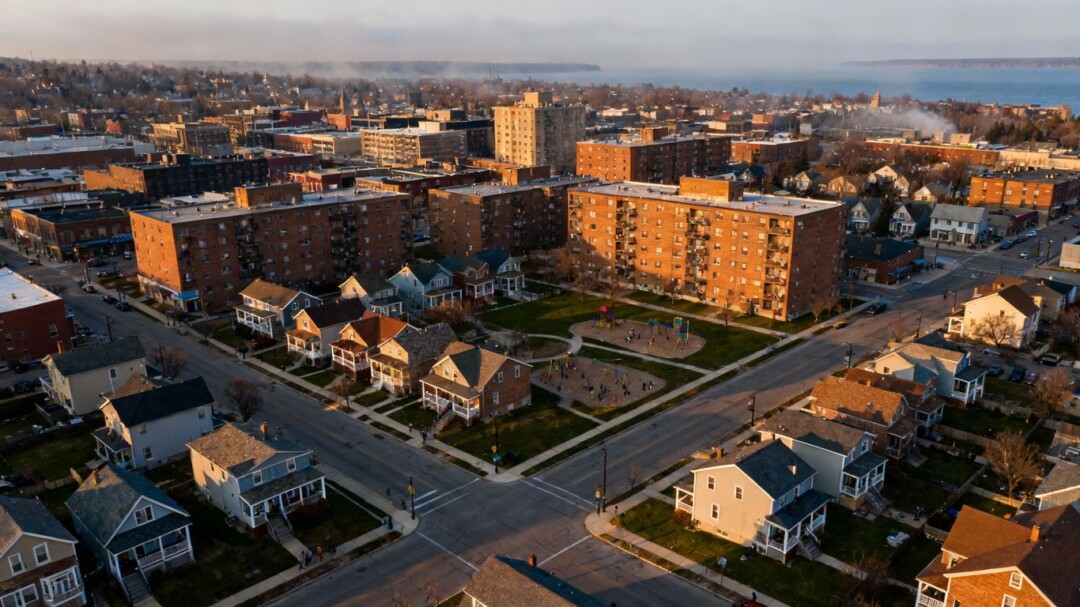
The Duluth City Council is contemplating a one-year moratorium on new short-term vacation rental licenses. This move aims to address the growing number of unlicensed rentals and their impact on the city’s housing market, which is already facing a shortage. The proposal seeks to pause new licenses while the city studies the situation and explores potential regulatory changes.
Key Takeaways
- Duluth is considering a one-year moratorium on new short-term vacation rental licenses.
- The proposal aims to address concerns about unlicensed rentals and their impact on the city’s housing shortage.
- The city is experiencing a significant increase in short-term rentals, particularly in neighborhoods like Park Point.
- Enforcement of existing regulations has been challenging due to the difficulty in identifying unlicensed properties.
The Growing Vacation Rental Market
Duluth is experiencing a boom in short-term vacation rentals, with hundreds of properties listed online, significantly outnumbering the approximately 180 active permits. This surge has led to concerns about the conversion of long-term housing stock into short-term rentals, exacerbating an already tight housing market characterized by high home prices and limited availability. Neighborhoods like Park Point have seen a high concentration of these rentals, leading to resident complaints about saturation and a potential loss of community character.
Challenges with Enforcement and Regulation
City officials face significant challenges in enforcing regulations for unlicensed short-term rentals. Identifying these properties is time-consuming, as listings often lack precise addresses or detailed information. The city currently investigates complaints on a first-come, first-served basis. The proposed moratorium would provide a window for the city to refine its licensing and permitting processes, potentially adjust fees, and develop more effective enforcement strategies.
Proposed Moratorium and Its Implications
The proposed one-year moratorium would halt the issuance of new licenses for short-term rentals, bed and breakfasts, and similar accommodations. This pause is intended to allow the city to conduct a thorough study of the vacation rental market’s impact on housing availability and neighborhood dynamics. While property owners with existing licenses or those with applications already in process would not be affected, some residents, like short-term rental owner Doran Nurmi, argue that the moratorium could be unfair to those who follow the rules and that short-term rentals offer a unique appeal compared to traditional hotels.
Community Concerns and Potential Solutions
Council members, including Roz Randorf, have expressed concerns about the potential for neighborhoods to lose their residential character if too many homes are converted to short-term rentals. Mayor Reinert highlighted that a decrease in existing housing stock is detrimental to a growing community that needs to attract a workforce. The city is exploring solutions such as spacing limitations to prevent over-concentration in specific areas. While Airbnb acknowledges working with local officials, they argue that a moratorium could harm responsible hosts and reduce options for travelers, emphasizing the economic contributions of short-term rentals to the state.
Sources
- Duluth considers moratorium on short-term vacation rentals – Duluth News Tribune, Duluth News Tribune.
- Duluth poised to pause new vacation rentals, Star Tribune.
- Duluth’s vacation rental boom prompts call for licensing freeze, Northern News Now.