

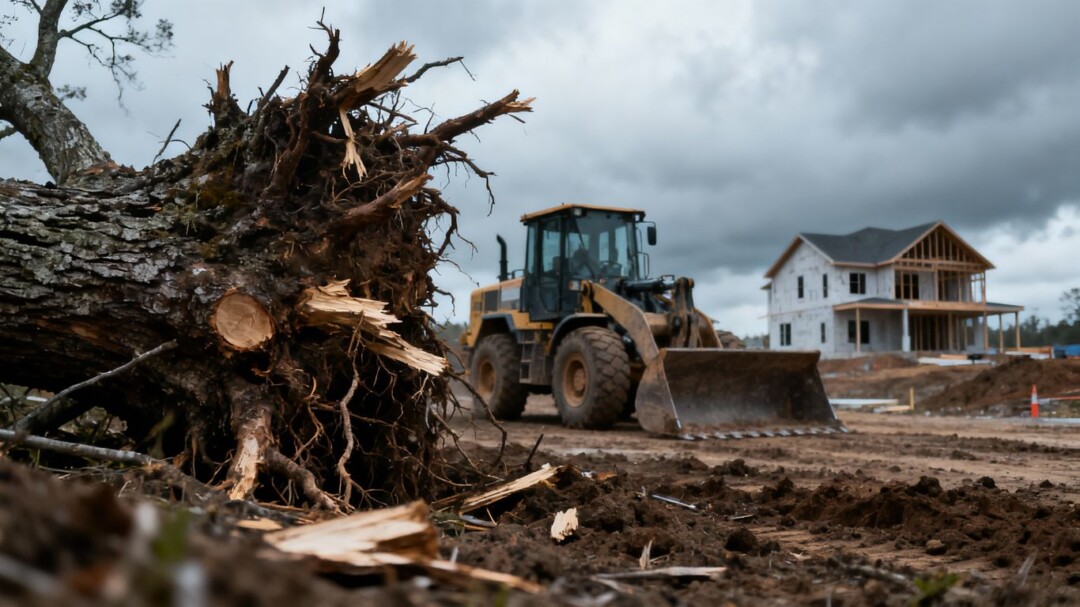
A recent inquiry highlights a common concern for homeowners near development sites: the potential for property damage, specifically to trees, due to nearby construction. Residents are questioning whether developers are legally obligated to mitigate environmental disruptions and compensate for harm caused to their trees and neighboring properties.
Key Takeaways
- Developers often must adhere to environmental regulations and conduct assessments to minimize ecosystem harm.
- Liability for tree damage depends on project specifics, local laws, and obtained permits.
- Homeowners should meticulously document damage and associated costs.
- Investigating project permits and potential violations is crucial.
- Legal counsel specializing in property or environmental law is recommended.
Understanding Developer Obligations
When developers embark on new projects, they are typically required to follow environmental regulations and perform assessments aimed at reducing harm to local ecosystems. These measures can include establishing buffer zones, relocating wildlife, or implementing erosion control strategies.
However, the extent to which developers are legally bound to address specific impacts, such as damage to trees caused by displaced wildlife, hinges on various factors. These include the precise details of the development project, applicable local ordinances, and the permits granted to the developers.
Steps for Homeowners
If you believe a developer has failed to take reasonable precautions to prevent harm, the first step is thorough documentation. This involves taking clear photographs of the damaged trees, your property, and any unusual wildlife activity observed. It’s also essential to keep meticulous records of all expenses incurred, such as the cost of tree removal, and to note the timeline of events.
Collaborating with neighbors who are experiencing similar issues can strengthen your case and provide a unified front when addressing the situation.
Investigating the Project and Seeking Recourse
Next, it’s important to investigate the development project itself. This may involve checking the permits the developers have secured and determining if they were mandated to conduct environmental impact studies. This information can often be obtained through your local government or planning department.
Should you discover that the developers have violated regulations or neglected to address foreseeable consequences of their project, you may have grounds to pursue legal action. Consulting with an attorney who specializes in property or environmental law is highly advisable. Such a professional can help you ascertain whether the developers are indeed liable for the damage to your property and assess the viability of seeking compensation for your expenses.
In some instances, developers might be open to negotiating a settlement to avoid protracted legal disputes. Additionally, reaching out to your local government or homeowners’ association to voice your concerns could lead to mediation or the identification of further resources.
Navigating these challenges can be frustrating, but maintaining organization and persistence offers the best path toward a resolution.