

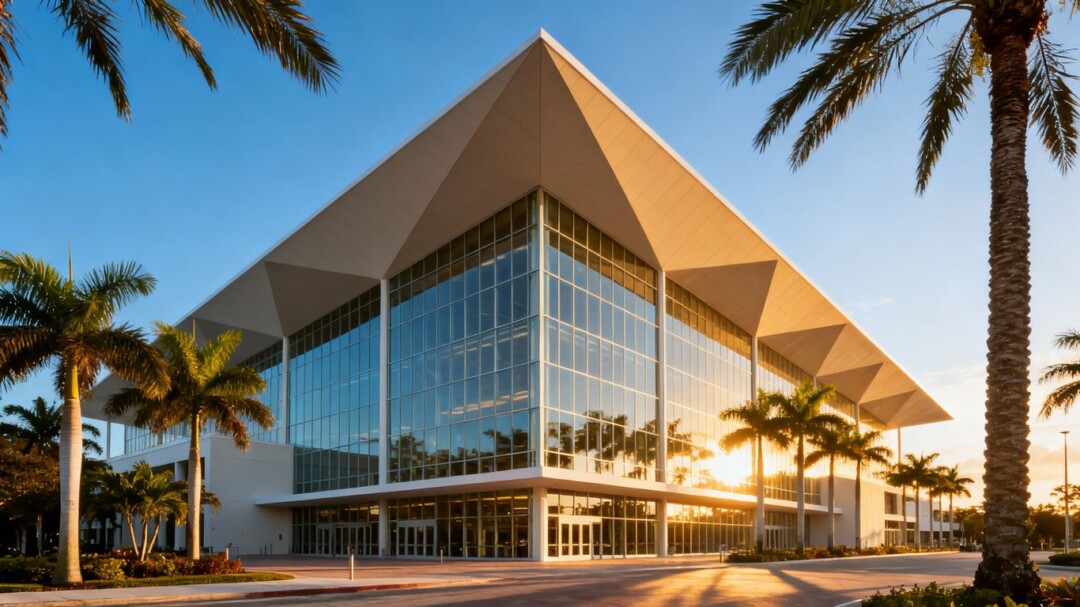
Broward County is celebrating the grand opening of its expanded Convention Center, a long-awaited project culminating over a decade of planning and development. This significant expansion is anticipated to be a major catalyst for tourism and economic growth throughout the region, solidifying its position as a premier destination.
Key Takeaways
- The expansion adds 1.2 million square feet, including a 350,000-square-foot exhibit hall and a 65,000-square-foot ballroom.
- Projects combined are expected to generate over $450 million in annual economic impact and create more than 3,000 jobs.
- Downtown Fort Lauderdale’s economic impact has surged to $43 billion annually, outpacing nearby travel hubs.
A New Era for Broward’s Convention Scene
The newly unveiled "East Expansion" significantly enhances the Broward County Convention Center’s capabilities. The addition boasts 1.2 million square feet of new space, featuring an expansive 350,000-square-foot exhibit hall and a luxurious 65,000-square-foot ballroom. This upgrade transforms the facility into South Florida’s premier waterfront conference center, emphasizing luxury, comfort, and environmental responsibility.
The convention center, originally opened in 1991, is strategically located on prime real estate near Port Everglades and is easily accessible to travelers. The expansion is part of a larger revitalization effort in the area, which includes a new bypass connector road from Fort Lauderdale-Hollywood International Airport and the upcoming Omni hotel project, aiming to enhance the overall tourist experience.
Economic Impact and Job Creation
Officials project that the combined initiatives, including the convention center expansion, will generate more than $450 million in annual economic impact for Broward County. Furthermore, these developments are expected to create over 3,000 full- and part-time jobs, providing a substantial boost to the local workforce.
Downtown Fort Lauderdale’s Economic Powerhouse
Beyond the convention center, downtown Fort Lauderdale is emerging as a significant economic engine. A recent study indicates the neighborhood’s total economic impact has reached $43 billion annually, a 44% increase since 2019. This figure surpasses the economic activity generated by Port Everglades and potentially the Fort Lauderdale-Hollywood International Airport.
The downtown area’s growth is driven by a diverse range of professional service industries, including finance, healthcare, and real estate, in addition to tourism. The development of thousands of apartments and condominiums has fostered a vibrant live-work-play environment, attracting a significant number of younger workers. However, this rapid growth also presents challenges related to housing affordability, infrastructure, and the need for adequate public services like schools.