

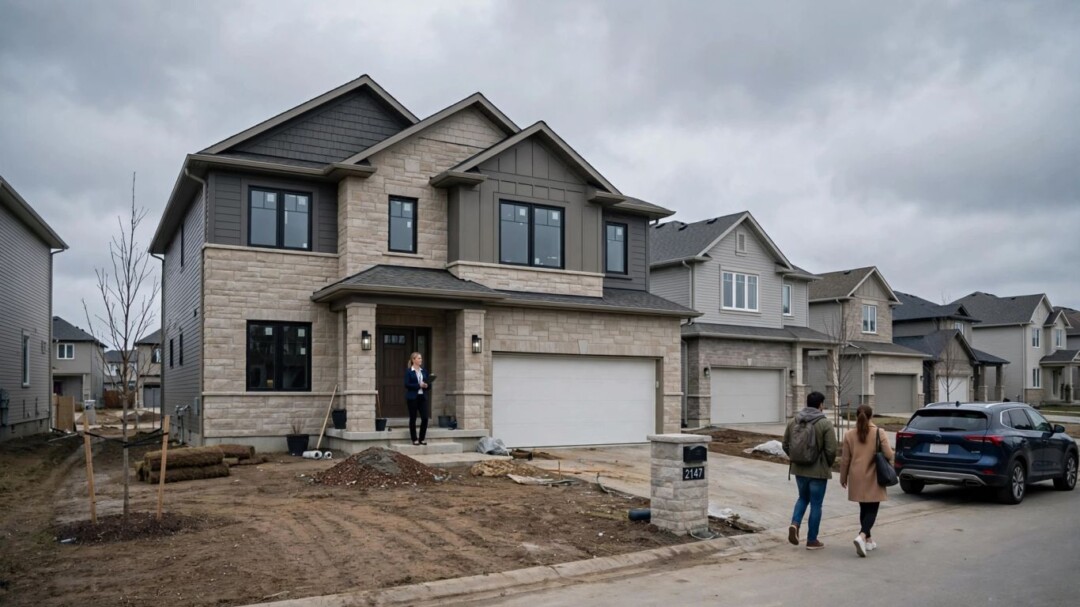
U.S. homebuilder confidence weakened further in November, reaching its lowest point in more than 14 years as high borrowing costs, rising construction expenses and labor constraints weighed on the market. The National Association of Home Builders reported declines across all four components of its housing sentiment index, including current sales and prospective buyer traffic.
Key takeaways
- The single-family builder confidence index fell four points to 25, its lowest reading since April 2012.
- All four regional averages declined, with the West recording the lowest score at 23.
- Current sales conditions, future sales expectations and buyer traffic all weakened.
- NAHB cited mortgage rates above 7%, construction costs, labor shortages and buyer uncertainty as key pressures.
Confidence falls across the country
The NAHB’s single-family Housing Market Index (HMI) dropped to 25 in November. A score above 50 indicates that more builders view market conditions as good than poor, leaving the latest reading well into negative territory. It was the weakest result since April 2012.
The three-month regional averages also moved lower. The Northeast fell four points to 34, the Midwest declined five points to 35, the South slipped three points to 27, and the West dropped three points to 23.
Sales and buyer traffic lose ground
Each of the HMI’s three component measures declined. The index for current sales conditions fell six points to 28, while builders’ expectations for sales over the next six months eased two points to 30. The prospective-buyer traffic measure also lost two points, reaching 16—its lowest level in 15 years apart from the start of the pandemic in 2020.
The results point to pressure both on builders’ current business and on the pool of potential customers visiting new-home communities. NAHB Chairman Bill Owens said builders were scaling back construction as fewer buyers entered the market.
Costs and uncertainty weigh on the outlook
Builders face several cost and supply constraints, according to NAHB. The organization cited higher material prices linked to tariffs, a shortage of construction workers and regulations that can add to housing costs. Owens also pointed to higher fuel expenses, which have prompted subcontractors to raise rates, and said stepped-up immigration enforcement was worsening labor shortages by keeping legal workers off job sites.
NAHB Chief Economist Robert Dietz said mortgage rates above 7%, weaker consumer confidence and an uncertain economic outlook were discouraging buyers. Together, those factors are adding to affordability challenges and leaving builders with fewer potential sales as they manage rising expenses.