

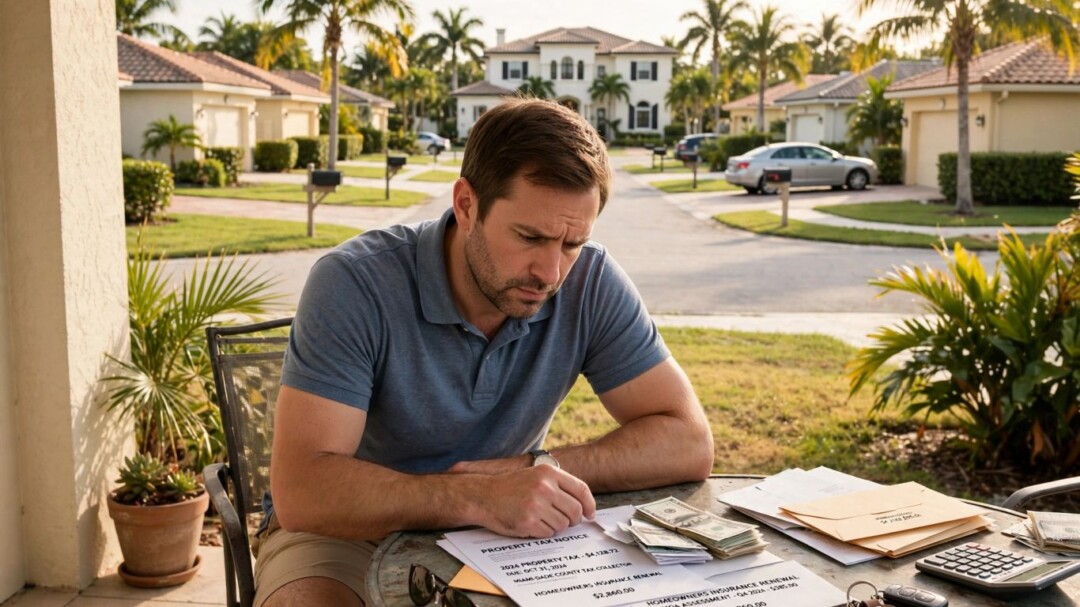
Florida voters have approved a major property tax change, and lawmakers now face the task of putting it into practice while considering what further reforms may follow. The measure promises lower bills for many longtime homeowners, but its effects on local budgets, renters and future homebuyers remain uncertain.
Key takeaways
The amendment is scheduled to take effect in 2027, with savings phased in for qualifying homeowners. Its impact will depend on local tax rates and budget decisions.
- The non-school homestead exemption rises to $150,000 in 2027 and $250,000 in 2028.
- New Florida residents will face a five-year phase-in before receiving the full expanded exemption.
- The annual assessment-growth cap for non-homestead properties falls from 10% to 5%.
- State estimates project local-government revenue losses could reach about $11.8 billion annually by fiscal 2031–32.
What the amendment changes
Amendment 3 passed with about 62% of the vote, clearing the 60% threshold required for a constitutional amendment. It expands the homestead exemption for non-school property taxes; school district property taxes are not reduced by the new exemption. The expanded amount is set to adjust for inflation beginning in 2029.
People who were not Florida residents by December 31, 2026, will initially receive a smaller non-school exemption when they qualify for homestead status. They become eligible for the expanded exemption in their fifth year. Lawmakers and property appraisers must establish procedures for determining residency and administering the phase-in.
Homeowners may save, but affordability effects are unclear
The tax reduction could lower annual ownership costs and make Florida more attractive to some buyers. Savings will vary with assessed values and local tax rates. In the Tampa Bay region, Florida TaxWatch estimates average 2028 savings of about $1,133 in Hillsborough County, $956 in Pinellas and $1,150 in Pasco.
Those amounts may not resolve the main barriers facing first-time buyers. High mortgage rates, home prices, insurance and down-payment requirements continue to weigh on affordability. Researchers also warn that tax savings could be reflected in higher home prices if buyers use the extra room in their budgets to bid more.
Local budgets and renters in the spotlight
The amendment also reduces the annual assessed-value growth cap for rental, commercial and other non-homestead properties to 5%. That limit may restrain tax increases for those owners, but it does not settle how local governments will respond to lower revenues. Officials could reduce services, adjust tax rates or increase fees and other charges, depending on local circumstances.
Policy analysts warn that renters and small businesses could feel indirect costs if landlords or businesses pass along higher taxes or fees. Others caution that service reductions could affect public safety, infrastructure, parks and other amenities. The scale and distribution of those effects will vary across communities.
Lawmakers face implementation choices
The state’s revenue estimators project that local-government collections could decline by roughly $4.9 billion in fiscal 2027–28, with annual losses reaching about $11.8 billion by 2031–32. The figures are estimates, and the burden will differ among counties and municipalities based on their tax bases and share of homesteaded properties.
Incoming Gov. Byron Donalds has supported the amendment and signaled interest in broader property tax and fee changes. For now, lawmakers must clarify implementation while local officials plan for the revenue shift. The central challenge will be delivering the promised homeowner relief without undermining services and housing conditions that matter to residents statewide.
- How Will Property Tax Cuts Affect Florida Real Estate Sales? Experts Weigh In, CPA Practice Advisor.
- How Florida’s Property Tax Overhaul Could Send Housing Costs Soaring, Newsweek.
- How Byron Donalds Plans to Upend Florida’s Property Tax System, Newsweek.
- Florida aims to lower property taxes but residency rules needed, Gulf Coast News and Weather.
- Florida’s Historic Property Tax Overhaul Comes into Sharper Focus Post Midterms, The World Property Journal.