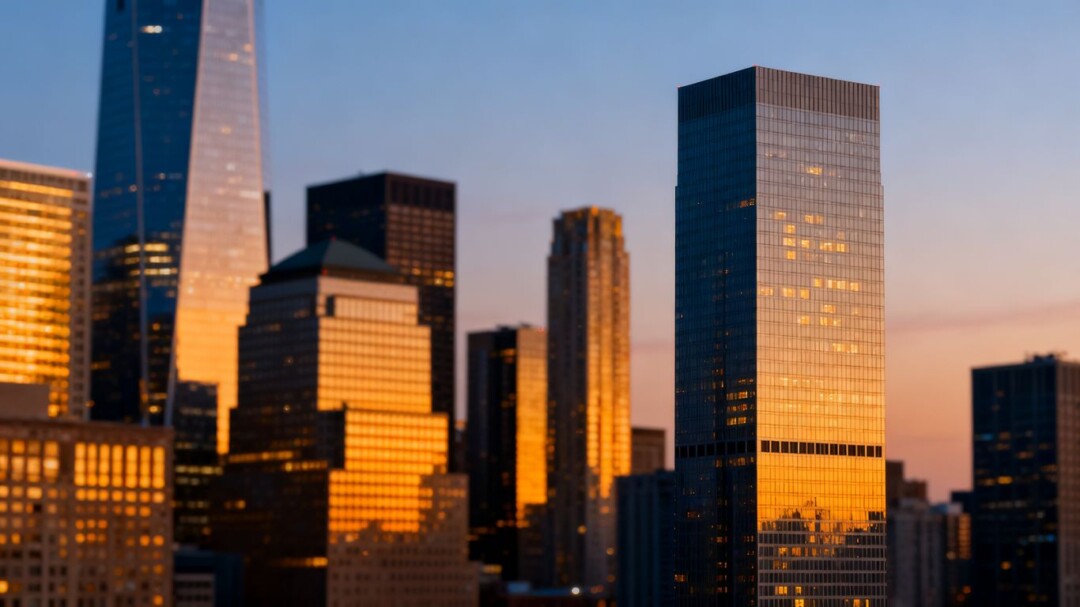
Raj Aidasani, managing director of research at the CRE Finance Council, recently shared his assessment of the evolving commercial real estate debt market. As the industry moves further into 2026, capital has become more accessible than in previous volatile periods, though lenders remain significantly more disciplined than in the low-rate era of 2021. ### Key takeaways * Capital remains available but is increasingly selective. * Lenders are prioritizing deep underwriting and durable cash flows. * Market focus has shifted to the long end of the interest rate curve rather than just the Fed funds rate. * The office sector remains a primary focus of market monitoring, balancing recovery signs with ongoing distress. ### A landscape of selective capital During the CREFC Annual Conference, Aidasani emphasized that the current environment is markedly different from 2021. In that low-rate climate, lenders were more active and comfortable with higher risk profiles. Today, the focus has shifted toward fundamental safety. Creditors are conducting rigorous reviews of property fundamentals and sponsor strength. The primary goal for institutions in this cycle is to ensure that assets demonstrate durable cash flows that can withstand market fluctuations. ### Navigating interest rate fluctuations A frequent point of discussion among industry professionals is the impact of the Federal Reserve’s “higher-for-longer” interest rate policy. According to Aidasani, while the industry naturally reacts to the Fed’s actions, borrowers and lenders should pay closer attention to the longer end of the yield curve. The Fed funds rate is an overnight metric, but long-term real estate financing is tethered to broader market conditions that reflect long-term economic expectations rather than just immediate central bank policy. ### Monitoring the office sector The office sector continues to generate mixed headlines, serving as a microcosm for the broader commercial real estate landscape. Aidasani noted that the sector is currently experiencing a complex duality, where signs of stabilization and recovery are occasionally overshadowed by persistent distress in older or poorly positioned assets. Investors continue to scrutinize office holdings with particular care, looking for properties that meet modern functional standards and attract reliable tenants.