

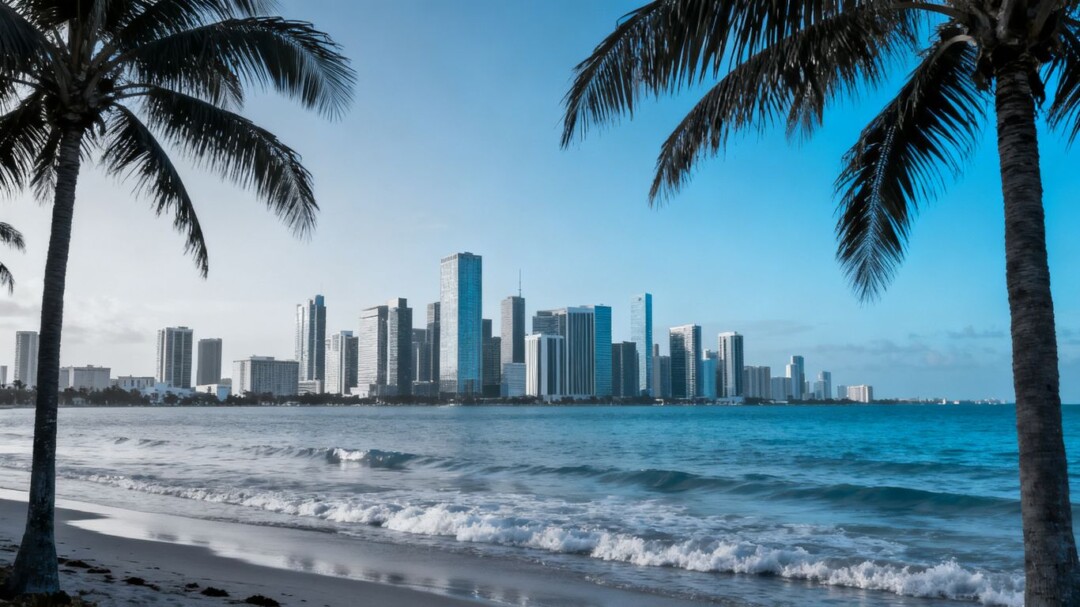
Miami-Dade County’s real estate market is showing signs of stabilization after a period of rapid growth, with property value increases moderating. While still experiencing growth, the rate has slowed considerably compared to the pandemic-fueled surge, impacting budget forecasts and offering a "breather" for the market.
Key Takeaways
- Miami-Dade’s estimated taxable value for 2026 is projected at $540.7 billion, reflecting a 5.5% increase over 2025.
- This growth rate is a significant slowdown from the 8.7% increase in 2025 and 12% in 2024.
- The condo market, particularly for older units, is experiencing weakness due to increased fees and regulations following the Champlain Towers collapse.
- More affordable municipalities are seeing higher value increases as buyers seek out less expensive housing options.
A Market Recalibration
The Miami-Dade property appraiser’s office reports a 5.5% increase in countywide values for the upcoming year, a figure that falls short of the 7% growth anticipated by budget staff. This follows a 8.5% increase last year and a 10.7% increase the year prior. Property values are not direct market values but are used for tax calculations. The slowdown is attributed to a decrease in new construction and longer listing times for homes.
Ron Shuffield, CEO of Berkshire Hathaway HomeServices EWM Realty, described the current market as a "breather" after an unsustainable period of 15-20% annual price increases during the pandemic. He noted that this cooling is not comparable to the 2008 crash.
Condo Market Struggles
The condominium market is acting as a drag on overall housing values, with older condos experiencing a decline. This is largely attributed to new state regulations enacted after the 2021 Champlain Towers collapse. These regulations mandate more frequent inspections and increased financial reserves for older buildings, leading to higher fees that some owners can no longer afford. Consequently, some owners are selling at discounted prices.
In Aventura, where condos dominate the real estate landscape, existing property values saw less than a 1% increase, and new construction has significantly declined. Two years ago, new construction in Aventura was valued at $57 million; this year, it’s down to $7 million.
Shifting Demand and Affordability
More affordable municipalities are showing stronger growth. Florida City saw an 11.7% increase in property values, and Opa-locka saw a 10.4% increase, including new construction. This suggests buyers are looking to these suburbs for more affordable housing options.
North Miami Beach recorded the largest increase in existing property values at 15.2%. However, development activity there has been tepid, with a rare negative number for new construction value, indicating demolitions outpaced new builds. Mayor Michael Joseph expressed confidence in future development, highlighting the city’s opportunity compared to more built-out areas like Aventura and North Miami.
Conversely, the exclusive village of Indian Creek saw a 10.3% increase in property values without any new construction, boosted by high-profile sales like Meta CEO Mark Zuckerberg’s $170 million mansion purchase.
Data Limitations and Future Outlook
The reported figures are estimates based on January 1 valuations and have a time lag. They also reflect taxable values, which include various discounts and tax breaks, potentially skewing the data. Nevertheless, the report provides a detailed view of the market, crucial for budget writers calculating property tax bills for the upcoming fiscal year.