

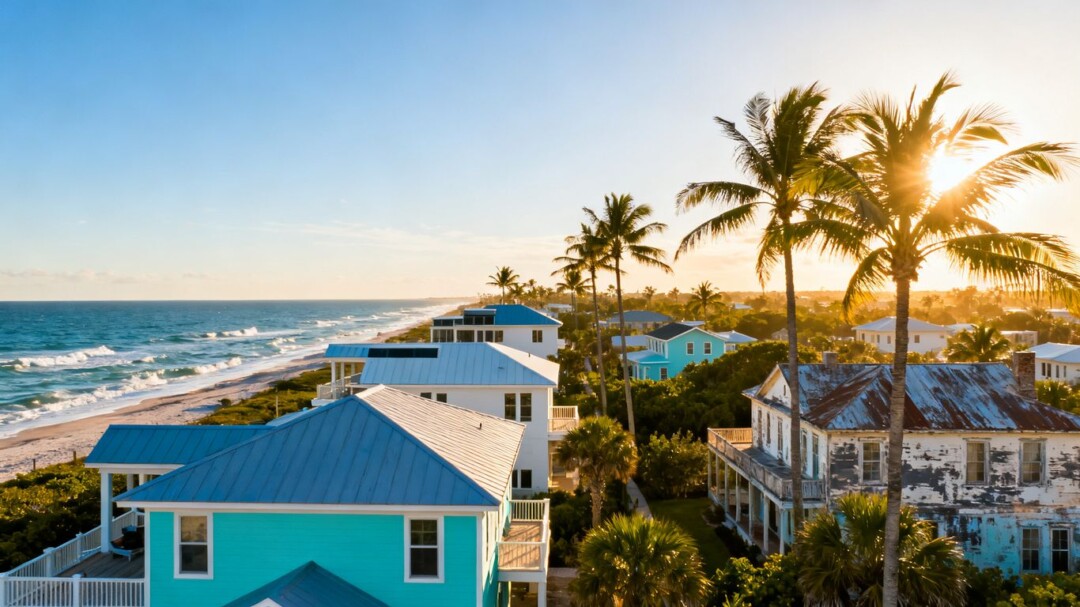
Florida’s housing market is presenting a complex picture as it heads into the summer of 2026. While some areas continue to experience robust growth and attract new residents, others are seeing a cooling effect and a more cautious approach from investors. This dynamic landscape requires a nuanced understanding for anyone looking to buy, sell, or invest in the Sunshine State.
Key Takeaways
- Divergent Growth: While some Florida cities boast significant home value appreciation, others, particularly in Southwest Florida, are in a market correction.
- Investor Caution: Investor activity has declined significantly in many Florida markets, though luxury segments and specific areas like West Palm Beach remain attractive.
- Market Selectivity: Buyers and investors are becoming more discerning, with a greater emphasis on thorough due diligence and long-term value.
- Growth Drivers Persist: Despite market shifts, population growth remains a core driver of demand across the state, particularly in areas like Tampa.
Areas of Growth and Investment Potential
Florida continues to draw newcomers with its appealing climate, beaches, and financial incentives like no state income tax. Certain cities are showing impressive home value increases. Palm Beach, for instance, has seen a substantial rise in median home values over the past five years, though it comes with a high price tag. Other areas like Wauchula, Old Town in Dixie County, South Bay, and Bell are also experiencing home price appreciation and offer more affordable entry points for investors seeking rising property values.
Southwest Florida Faces Market Correction
In contrast to growth areas, significant portions of Southwest Florida are experiencing a market correction. Metros such as Punta Gorda, Cape Coral-Fort Myers, and North Port-Sarasota-Bradenton have seen notable price drops from their peaks. This correction is attributed to rapid price increases during the pandemic boom that outpaced local incomes, coupled with a deceleration in migration and an increase in new housing supply. Factors like rising insurance costs and HOA fees, especially for older coastal properties, are also contributing to market cooling.
Tampa’s Evolving Real Estate Landscape
The Tampa real estate market is transitioning into a more selective phase. While the region continues to attract residents and businesses, deal evaluations are becoming more careful. Population growth remains a strong demand driver, supporting various real estate sectors including office, industrial, retail, and healthcare. Although the industrial sector is normalizing after a post-COVID surge, retail is showing renewed strength with increased investor confidence. Healthcare real estate is emerging as a key focus for future growth, driven by an aging and growing population.
Investor Sentiment Shifts
Nationally, investor activity in the housing market has been sluggish, and Florida is no exception, with double-digit declines in investor purchases in some major metropolitan areas like Orlando and Fort Lauderdale. This trend is linked to the end of the pandemic-era boom, rising costs, and increased market uncertainty. However, not all of Florida is being avoided by investors. Luxury markets like West Palm Beach are still attracting significant investor interest, with notable year-over-year increases in purchases. This indicates a bifurcated market where specific segments and locations remain highly desirable.
Sources
- Best Florida Cities for Real Estate Investment, Travel + Leisure.
- Big pockets of Southwest Florida’s housing market remain in correction-mode, ResiClub.
- Tampa real estate market enters a more selective phase, Tampa Bay Business & Wealth.
- Investors Are Avoiding Florida’s Housing Market, Newsweek.