

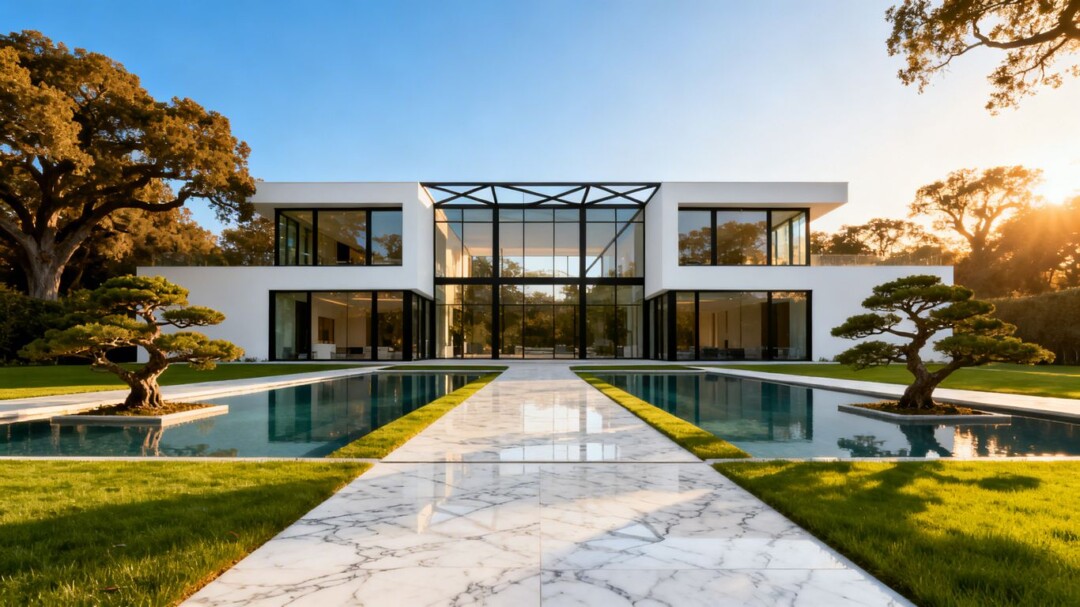
Pinecrest’s real estate market experienced a dramatic surge in the first quarter of 2026, transforming from a quieter alternative to a premier luxury destination. This shift is characterized by a disciplined approach from buyers and sellers alike, with new construction setting new benchmarks and land values steadily escalating.
Key Takeaways
- New construction is the primary driver of pricing, resetting market expectations.
- Land values are increasing, establishing a new floor for property prices.
- Buyers are informed, patient, and focused on quality, especially those relocating from high-tax states.
- The market is segmented, with well-positioned homes transacting efficiently while aspirational pricing is challenged.
Pricing Dynamics: New Construction Leads the Charge
The Pinecrest market has seen a significant upward price adjustment, largely influenced by limited inventory and robust demand from relocating families. Crucially, pricing is no longer dictated by older homes but by new construction, which now serves as the main benchmark. Newly built estates have consistently achieved the highest price per square foot, pushing the upper limit from approximately $1,300 in 2025 to around $1,500 in 2026, with some sales reaching as high as $1,300–$1,800 per square foot. This trend is fueled by rising construction costs, modern design preferences, and the premium buyers place on turnkey properties.
Land Value and Teardown Activity: Setting the Floor
A significant underlying trend in Pinecrest is the continuous rise in land values. Increased teardown activity means buyers and developers are acquiring older homes primarily for their lot potential. This escalating land pricing is quietly establishing a new market floor, with even properties requiring full renovation commanding strong prices based on location, lot size, and development potential. This dynamic pushes up entry-level pricing and reinforces long-term value stability.
Supply Dynamics: The Illusion of Inventory
While Pinecrest may appear to have ample inventory, especially in higher price brackets, this supply is uneven and often misleading. A substantial portion of available listings includes outdated homes with aspirational pricing or new constructions still in development. Truly move-in-ready, well-designed homes remain scarce, particularly in the $5 million to $10 million range where demand is highest. This gap between perceived and usable inventory creates market inefficiencies, making the actual selection of quality properties more constrained.
Buyer Behavior: Analytical, Patient, and Quality-Driven
Today’s Pinecrest buyers are well-informed, data-driven, and prioritize long-term lifestyle considerations over short-term speculation. Many are relocating from states like New York, California, and Illinois, attracted by Florida’s tax advantages, larger lot sizes, and family-friendly environment. However, unlike the urgent market of previous years, current buyers are deliberate, willing to wait and compare. Quality is paramount, with homes featuring strong architecture, thoughtful layouts, and high-end finishes attracting significant attention.
Market Alignment and Outlook
The current market emphasizes pricing strategy. Sellers who align their pricing with current comparable sales and market conditions are achieving successful outcomes. Those holding onto peak pricing from previous cycles face longer market times and increased negotiation pressure. The outlook for 2026 suggests Pinecrest will remain a stable and desirable residential market, with price growth expected at a measured pace. The market will be defined by discipline, with performance varying significantly based on property type and positioning, driven by end-users making calculated lifestyle and value-based decisions.
Strategic Opportunities
Opportunities exist for both buyers and sellers. Buyers can find value in properties needing cosmetic updates or those with timing pressures that invite negotiation. Sellers can achieve competitive outcomes through strategic positioning, proper pricing, and strong presentation. Understanding the nuances of land value, construction quality, and pricing alignment is key to navigating this evolving luxury market.