

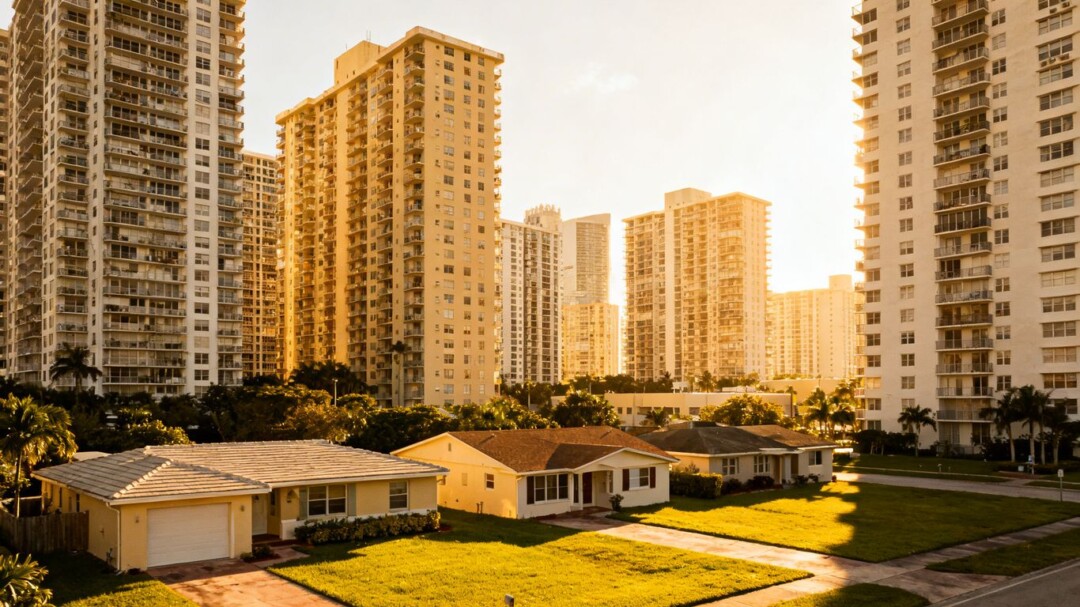
South Florida is grappling with a significant housing deficit, with a recent study revealing a shortfall of over 30,000 units. This critical shortage is impacting affordability and availability across the region, posing a substantial challenge for residents and policymakers alike.
Key Takeaways
- A new study highlights a deficit of more than 30,000 housing units in South Florida.
- The findings underscore the escalating housing crisis in the region.
- Urgent solutions are needed to address the growing demand and limited supply.
The Scope of the Shortage
The Florida Housing Data Project has released findings indicating a severe lack of available housing in South Florida. The study quantifies the deficit at over 30,000 units, a figure that underscores the urgency of the situation. This gap between supply and demand is a primary driver of rising housing costs and increased competition for available properties.
Impact on Residents
The housing shortage has profound implications for the residents of South Florida. As fewer homes are available, prices for both rental and purchase properties continue to climb, making it increasingly difficult for individuals and families to find affordable and stable housing. This can lead to longer commutes, displacement, and a strain on local economies as workers struggle to live near their jobs.
Addressing the Crisis
Experts suggest that a multi-faceted approach is necessary to tackle the housing shortage. This could include incentivizing the development of new housing, particularly affordable housing options, streamlining permitting processes, and exploring innovative construction methods. Policy changes at local and state levels may also be required to encourage greater housing supply and protect vulnerable populations from the impacts of rising costs.
Sources
- Florida Housing Data Project: South Florida housing shortage tops 30,000 units, The Business Journals.