

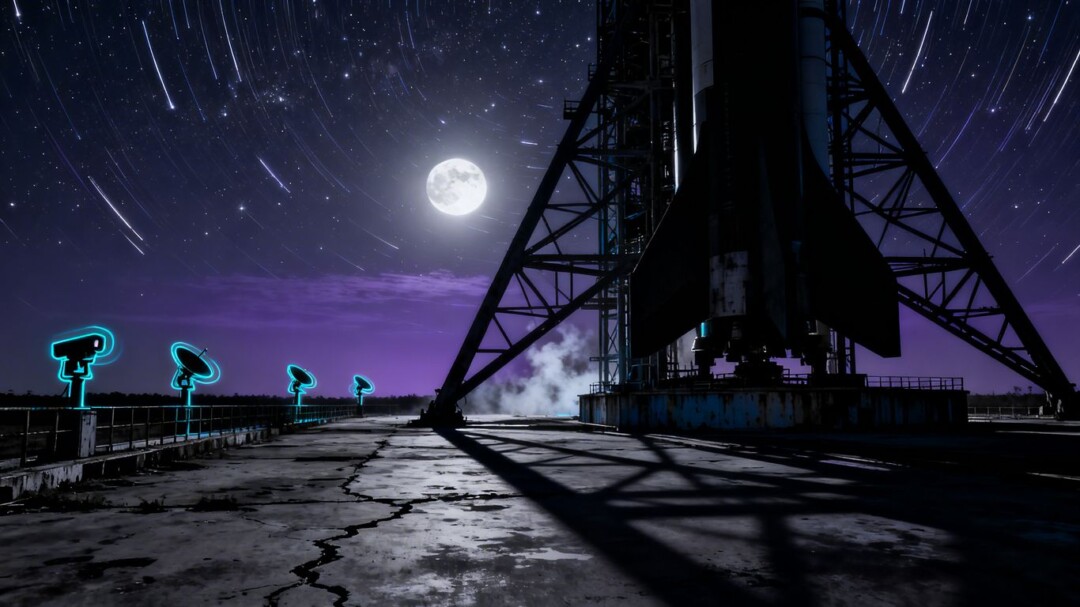
Concerns are mounting over increased espionage activities by Chinese and Russian intelligence operatives in Florida, particularly along the strategically vital Space Coast. This region, home to critical military installations, defense contractors, and the nation’s busiest spaceport, has become a prime target for foreign intelligence entities seeking to acquire sensitive technological and national security information.
Key Takeaways
- Former intelligence officials and law enforcement point to a pattern of suspicious activities by individuals linked to China and Russia in Florida.
- The Space Coast’s concentration of aerospace and defense industries makes it a high-value target for espionage.
- Instances include drone surveillance, attempts to infiltrate sensitive sites, and suspicious real estate acquisitions near military bases.
- There are concerns about the effectiveness of current counterintelligence efforts and the prosecution of identified operatives.
A Target-Rich Environment
Florida’s unique landscape, boasting numerous military installations, defense contractors, and the globally significant Cape Canaveral Space Force Station, presents a compelling target for foreign intelligence entities. The Defense Counterintelligence and Security Agency (DCSA) has identified Florida as posing a significant risk due to the presence of these critical assets.
Patterns of Suspicious Activity
Reports from former CIA officers Joseph and Michele Rigby Assad, along with insights from law enforcement like Jonathan Cute and Matt Butler, highlight a disturbing trend. These include instances of individuals, allegedly Chinese and Russian nationals, engaging in activities such as probing security at SpaceX facilities, flying drones over restricted areas, and attempting to gather intelligence on sensitive defense projects like NASA’s Artemis program. One notable incident involved a Chinese national found in frogman gear within a secure perimeter, believed to be collecting signals intelligence.
Real Estate and Covert Operations
Beyond direct surveillance, concerns have been raised about foreign entities acquiring land, particularly near military bases. This practice is seen as a potential method for establishing intelligence-gathering outposts or facilitating other covert operations. The article details an instance where a property near Patrick Space Force Base, purchased with cash and exhibiting unusual characteristics, raised red flags for a local resident and former intelligence officer.
Challenges in Counterintelligence
Despite these observed activities, there are indications of challenges in effectively countering these threats. Some former officials suggest that federal agencies, including the FBI, have sometimes been slow to act or have dismissed allegations. This has led to a situation where individuals caught engaging in suspicious activities are sometimes deported rather than prosecuted, raising questions about the deterrent effect of current policies. In response to these concerns, Florida has enacted legislation to strengthen penalties for unauthorized entry onto critical infrastructure sites.
The Evolving Threat Landscape
The espionage efforts are described as sophisticated, with adversaries like China seeking to co-opt advanced technologies, particularly in the realm of reusable rocket technology, which offers a significant strategic advantage. The article concludes by emphasizing that while individual incidents might seem isolated, the cumulative pattern suggests a persistent and evolving threat to national security, requiring vigilant attention and robust counterintelligence measures.