

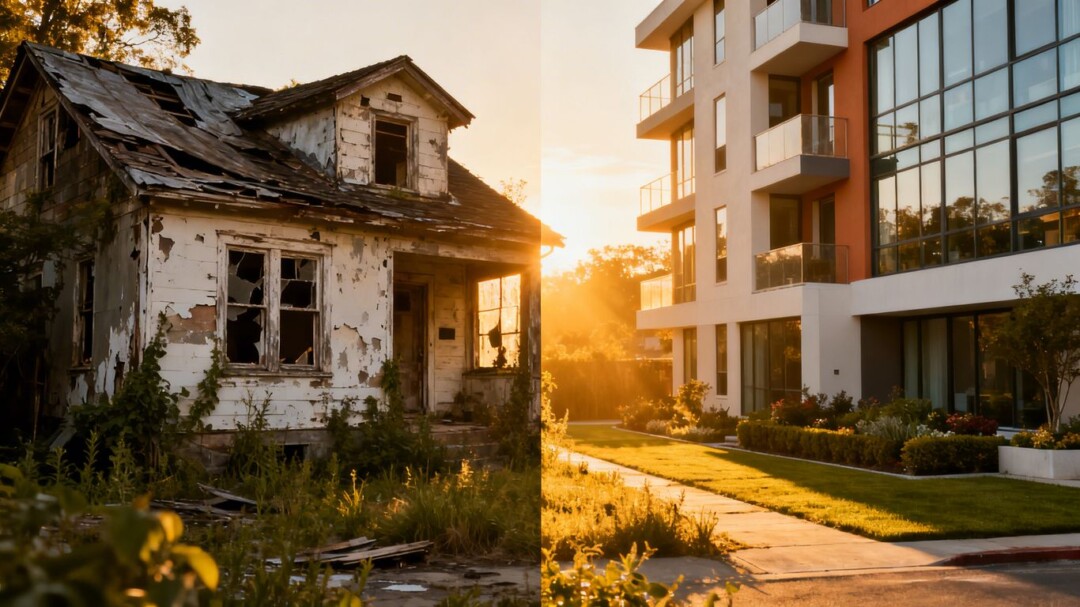
Florida lawmakers concluded their legislative session with a mixed bag of results concerning the state’s escalating affordable housing crisis. While efforts to expand housing options and provide relief faced significant hurdles, new legislation aims to streamline development and offer protections for affordable housing projects.
Key Takeaways
- Several key housing and insurance affordability bills failed to pass during the legislative session.
- The "Live Local 4.0" package was approved, expanding state preemption over local zoning and tax rules to encourage affordable housing.
- Concerns remain about the effectiveness of state-level solutions versus broader economic factors influencing affordability.
Legislative Setbacks and Stalled Relief
Despite mounting pressure from residents facing rising housing costs and property insurance premiums, many significant affordability proposals did not make it through the 2026 legislative session. Bills aimed at reducing property insurance costs, preserving long-term rental affordability for 50 years instead of 30, and requiring mobile home park owners to justify rent increases all failed to pass. State Representative Paula Stark expressed frustration, noting the difficulty in getting crucial measures approved, particularly those addressing mobile home lot rent concerns.
The "Live Local 4.0" Initiative
In contrast to the stalled bills, Florida lawmakers passed the "Live Local 4.0" package, a significant revision of the 2023 Live Local Act. This new legislation further empowers the state to override local zoning and tax regulations to accelerate the development of affordable and workforce housing. Key provisions include allowing surplus church properties to be used for affordable housing under specific conditions, integrating anti-discrimination protections for affordable housing into the Florida Fair Housing Act, and imposing stricter limits on local governments’ ability to opt out of the "missing middle" tax exemption for multifamily units.
Challenges and Future Outlook
Political analysts suggest that the lack of progress on broader affordability reforms highlights the complexity of the issue and the limitations of state-level interventions. Factors such as inflation and rising prices, largely influenced by national economic trends, are beyond the direct control of state lawmakers. While the "Live Local 4.0" initiative aims to increase housing supply and streamline development, some advocates express concern that it may still favor market-rate development over deeply affordable options. Residents are left in a holding pattern, awaiting potential relief through special sessions, ballot initiatives, or federal action.
A Glimmer of Hope for Mobile Homeowners
Amidst the broader legislative failures, one notable win for mobile home residents was the approval of House Bill 267. This measure allows counties to utilize State Housing Initiatives Partnership (SHIP) funds for lot rental assistance, providing a crucial lifeline for mobile homeowners facing potential rent hikes by park owners.
Sources
- Florida aims to expand affordable housing pipeline with latest Live Local revisions, The Business Journals.
- Florida lawmakers struggle to deliver affordability relief as key housing bills
fail, News4JAX. - Florida’s Live Local 4.0 flexes state muscle on housing progress, HousingWire.