

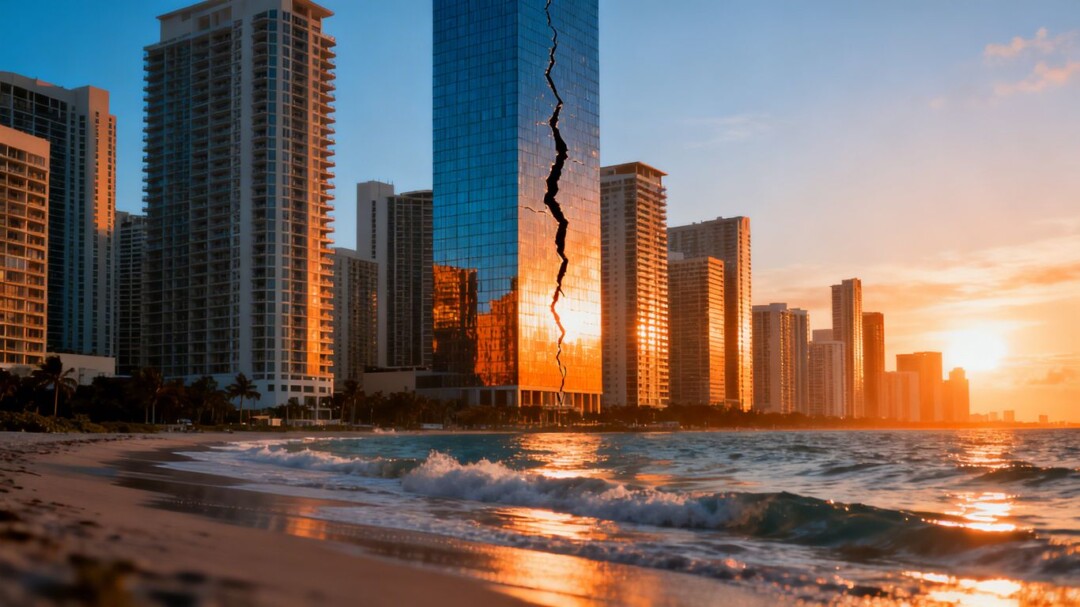
Miami has been identified as the global leader in housing bubble risk, according to a recent report by UBS. The city has surpassed major hubs like New York and Los Angeles, signaling a potential downturn in its once-booming real estate market. This development comes amid a confluence of factors impacting affordability and market stability.
Key Takeaways
- Miami now holds the top spot globally for housing bubble risk.
- Record-low affordability, rising condo repair costs, and surging insurance premiums are key concerns.
- The city’s price-to-rent ratio has exceeded levels seen before the 2006 housing bubble.
- Despite risks, Florida’s tax-friendly environment continues to attract high-net-worth individuals.
Miami’s Ascent to Top of Bubble Risk List
Miami has officially been ranked as the world’s riskiest housing market by UBS’ Global Real Estate Bubble Index for 2025. The city’s bubble risk score of 1.73 significantly exceeds the 1.5 threshold indicating "high risk," a level that surpasses even the peak of the 2006 housing bubble. This ranking places Miami ahead of other notoriously expensive markets such as Los Angeles, Toronto, San Francisco, and New York.
Factors Driving Bubble Risk
Several factors are contributing to Miami’s elevated risk profile. The report highlights a "perfect storm" of record-low affordability for local homeowners, substantial condo repair bills stemming from aging infrastructure, and rapidly increasing insurance premiums. Over the past 15 years, Miami has experienced the strongest inflation-adjusted housing appreciation among all cities studied. However, this growth has outpaced rent increases and income growth, with inflation-adjusted home prices rising nearly 25% in the last five years while rents increased by about 10% and incomes by only 5%.
The Allure of Florida and Its Consequences
Florida’s appeal, particularly its tax-friendly climate with no state income tax, continues to draw affluent individuals from high-tax states like California. This influx has fueled significant real estate transactions, including high-profile purchases by billionaires. However, the report notes that while the market remains attractive to the wealthy, regulatory changes are imposing significant financial burdens on owners of older condominiums, who are facing rising maintenance and reserve costs. Despite the concerns, a sharp market correction is not immediately anticipated, though price growth is expected to turn negative in the coming quarters.
Broader Market Trends
The UBS report contrasts Miami’s situation with cities exhibiting moderate or low bubble risk, where prices have fallen while rents and incomes remained relatively stable. Historically, widening gaps between property prices and rental income have been precursors to housing crises. While Miami’s coastal appeal and tax advantages remain strong draws, the current market dynamics present a complex picture for both current residents and potential investors.
Sources
- Miami beats Los Angeles and New York for highest housing bubble risk, Fox Business.
- Florida’s Miami market is the world’s top bubble risk, warns UBS — with one metric higher than the 2006
housing crisis, Yahoo Finance.