

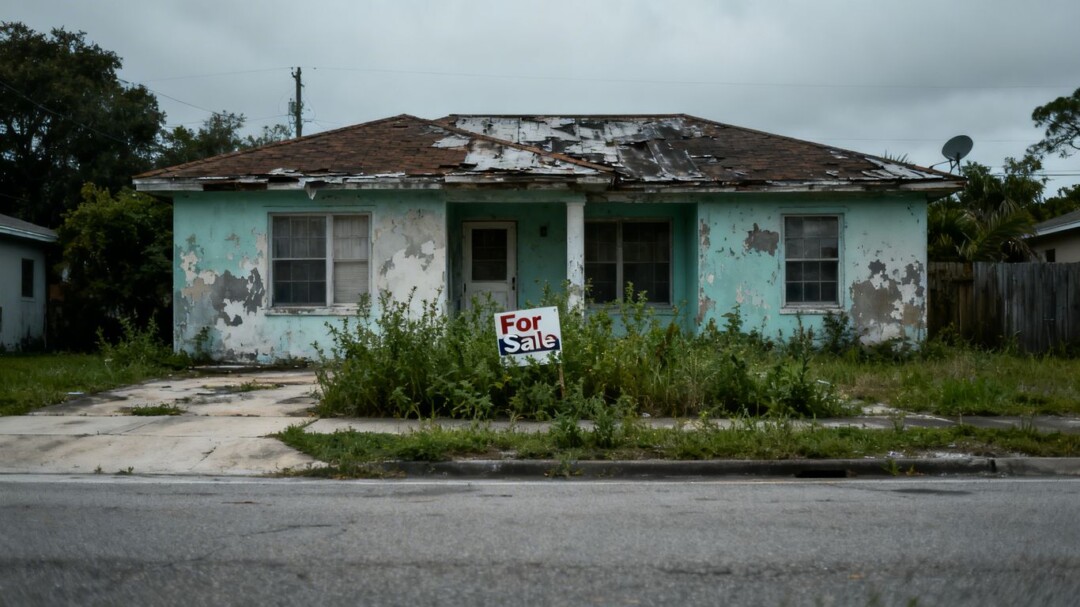
The Florida real estate market is signaling potential distress as significant investor groups begin to withdraw their capital. This shift, driven by a confluence of economic factors and changing market dynamics, could lead to a significant downturn in one of the nation’s most sought-after housing markets.
Key Takeaways
- Key investor groups are reducing their presence in Florida’s real estate sector.
- Rising interest rates and economic uncertainty are primary drivers of this pullback.
- The state’s housing market, known for its rapid growth, may be entering a period of correction.
Investor Confidence Wanes
Recent trends indicate a notable cooling in investor enthusiasm for Florida properties. This withdrawal is not a singular event but a pattern emerging across various investor demographics, including institutional buyers and individual high-net-worth individuals. The allure of quick appreciation and rental income that once characterized the Sunshine State’s market appears to be diminishing.
Economic Headwinds Impacting the Market
The primary catalyst for this investor retreat appears to be the persistent rise in interest rates. Higher borrowing costs directly impact the profitability of real estate investments, making new acquisitions less attractive. Furthermore, broader economic uncertainties, including inflation and the potential for a recession, are prompting investors to adopt a more cautious stance, seeking safer havens for their capital.
What This Means for Homebuyers and Sellers
For prospective homebuyers, a pullback in investor activity could translate into a more balanced market. With fewer deep-pocketed buyers competing, there might be increased inventory and potentially more room for negotiation on prices. However, this could also signal a slowdown in market activity, affecting sellers who have become accustomed to rapid sales and escalating prices. The long-term implications for property values and market stability remain a key concern for state officials and residents alike.