

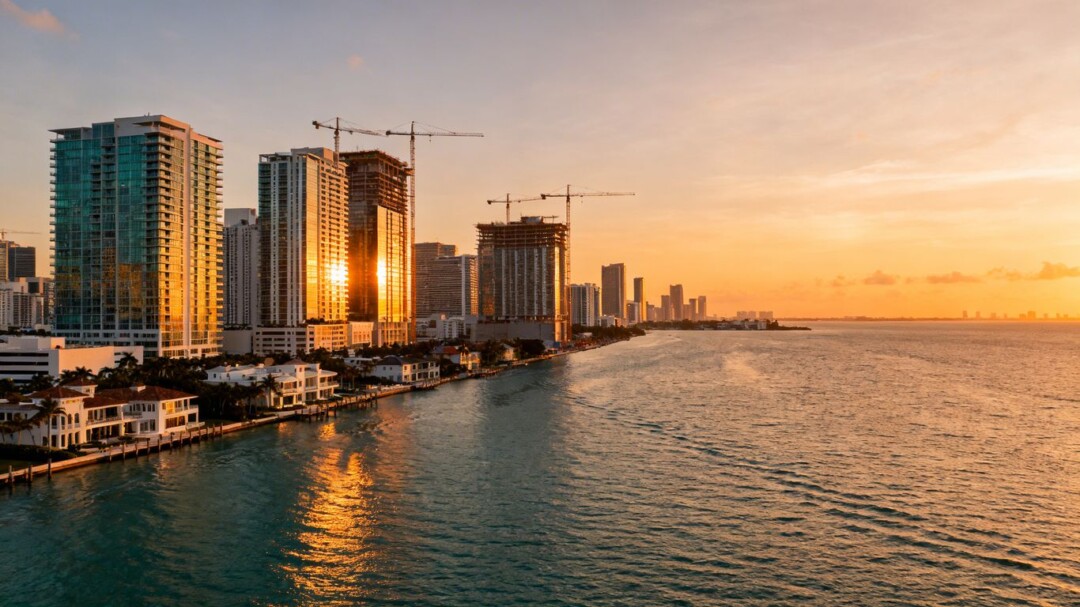
South Florida is gearing up for a surge of transformative real estate projects as developers turn their focus to Miami’s urban core and strategic neighborhoods. A mix of luxury towers, multi-use centers, and revitalized residential spaces is set to reshape the landscape by 2026, drawing in new residents and fueling economic growth.
Key Takeaways
- Major investment is flowing into Downtown Miami, Brickell, and adjacent urban areas.
- Developers are prioritizing transit access, mixed-use spaces, and increased walkability.
- Rising land and construction costs are pushing up property prices.
- Single-family neighborhoods are seeing redevelopment rather than new construction.
Focused Growth in Miami’s Urban Core
Industry leaders predict Downtown Miami, Brickell, and areas bordering the business district will see the lion’s share of new development. Major projects like the soon-to-be tallest Citadel office tower and the expansive Miami World Center mixed-use site are attracting attention. Brickell Bay Drive, in particular, is being compared to the renowned Fifth Avenue in New York.
“Developers are zeroing in on neighborhoods with high-quality amenities, walkability, and strong retail and dining scenes,” explains one local developer. Edgewater is cited as a key beneficiary of this trend because of its prime location near transport links and hotspots like Wynwood.
The Urban Lifestyle Trend
Modern homebuyers in Miami are increasingly seeking connectivity rather than sheer square footage. New projects tend to offer smaller units but focus on the lifestyle opportunities immediately available nearby—be it dining, shopping, or public transport. Mixed-use buildings and workforce housing are on developers’ radars, with expectations for more condo developments and live-local projects emerging over the next few years.
Who’s Moving In?
South Florida’s rising popularity isn’t just drawing the ultra-wealthy—residents moving to Miami-Dade County are, on average, wealthier than those leaving, but all income brackets are represented. Experts credit Miami’s reputation as a place of opportunity, work, and family life for this influx.
Connectivity Drives Demand
Enhanced transportation, particularly via services like Brightline, is a game-changer. New stops in places like Aventura and Boca Raton are making urban living more practical and attractive, reinforcing the trend toward dense, transit-oriented development.
Price Pressures and Innovation
With high land and construction costs, it’s rare for new condos in central areas to list below $1,000 per square foot. This economic reality often results in premium products outpacing the area’s median pricing, making affordability a challenge. Developers are experimenting with innovative design and construction approaches to keep prices from climbing further.
Neighborhood Redevelopment
Long-established residential enclaves like Coconut Grove, Coral Gables, and South Miami are seeing less new construction but more significant redevelopment. Existing single-family homes in these neighborhoods are being rebuilt or updated, rather than replaced with higher-density housing.
As South Florida approaches 2026, cutting-edge office developments, next-generation residential towers, and amenity-rich neighborhoods promise to reshape the region—drawing newcomers and setting a new standard for urban living in the Sunshine State.