

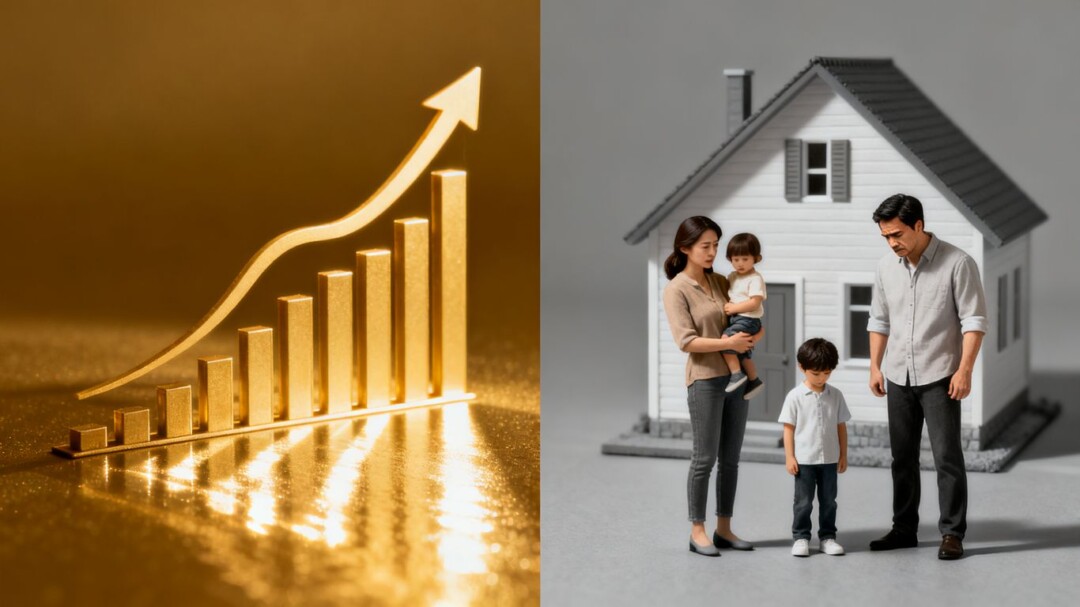
President Donald Trump has signaled a preference for maintaining high home prices, a stance that contrasts with widespread voter concerns about housing affordability. While many economists and industry experts advocate for increased construction to lower costs, Trump’s administration aims to protect existing homeowners and their rising property values, potentially creating a generational divide.
Key Takeaways
- President Trump explicitly stated his desire to "drive housing prices up" to benefit current homeowners.
- This policy focus may appeal to older voters, a key demographic for Republicans, but risks alienating younger voters crucial for expanding the party’s coalition.
- Economists and industry professionals argue that increasing housing supply is essential to address the affordability crisis.
- Recent data shows a decline in new single-family home permits, contrary to calls for increased construction.
Trump’s Housing Strategy
President Trump has articulated a clear objective: to keep home prices on an upward trajectory. "I don’t want to drive housing prices down. I want to drive housing prices up for people that own their homes, and they can be assured that’s what’s going to happen," Trump stated to his Cabinet. This approach is seen as a strategy to bolster his standing with older voters, who tend to have higher homeownership rates and are more consistent voters in midterm elections. Trump believes that rising home values have made many of his supporters wealthier.
However, this focus on existing homeowners could alienate younger voters, who were instrumental in his 2024 election victory. Political strategists warn that if younger demographics perceive Trump as prioritizing older generations at their expense, it could negatively impact Republican support in upcoming elections.
Economic Perspectives on Affordability
Many economists, real estate professionals, and local officials contend that the core issue of housing affordability can only be resolved by increasing the supply of homes. Booker Lightman, a software engineer from Colorado, highlighted the scarcity of housing in his state, noting that a lack of construction is forcing people out. Similarly, Chicago-area real estate agent Shay Hata described a market with intense competition, where properties receive numerous offers due to low inventory.
New construction is seen as a potential solution, as it can increase supply and potentially offer buyers more favorable financing options through builder incentives. Despite these calls, permits for new single-family homes have seen a notable decrease in recent months.
Past and Present Housing Policies
While Trump’s current stance emphasizes maintaining high prices, his administration has previously explored policies aimed at increasing housing supply. During the 2024 campaign, proposals included tax breaks for homebuyers, deregulation of construction, and utilizing federal land for housing developments. His team also suggested that mass deportations could free up housing stock.
More recently, Trump has focused on influencing interest rates by lobbying the Federal Reserve to cut benchmark rates, believing this would make mortgages more affordable. He has also proposed barring large financial institutions from purchasing homes. However, he has rejected ideas like allowing 401(k) funds for down payments, citing concerns about market stability.
The Affordability Challenge
The fundamental challenge remains that home prices have consistently outpaced income growth for years. This disparity makes saving for down payments and upgrading homes increasingly difficult. For many families, their home has become their primary financial asset, yet they may struggle with monthly expenses. Experts suggest that a significant increase in single-family home construction would be necessary to stabilize or flatten average home price gains, indicating that the fear of a housing market crash may be unfounded.