

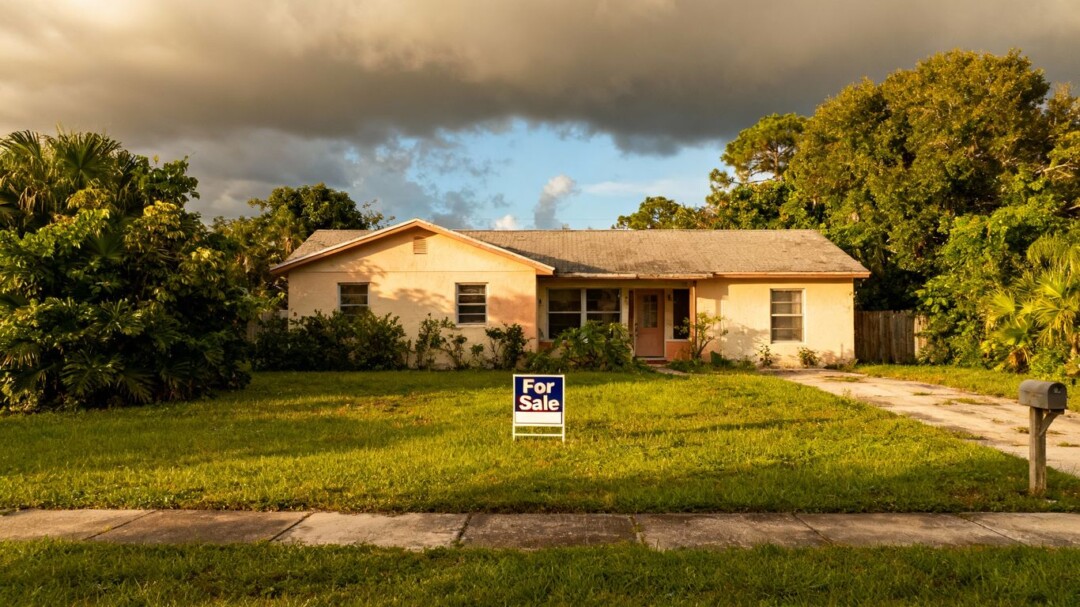
Florida’s once-scorching housing market is showing clear signs of cooling, with a notable increase in available homes and a significant rise in the time it takes to sell properties. This shift indicates a move towards a more balanced market, offering potential advantages to buyers.
Key Takeaways
- Increased Inventory: The number of homes for sale has grown, leading to more options for buyers.
- Longer Selling Times: Properties are staying on the market longer, with median days on market significantly exceeding national averages.
- Price Corrections: While not a crash, the market is undergoing a correction, with some areas experiencing notable price declines from pandemic-era peaks.
- Buyer Advantage: The combination of higher inventory and longer selling times is shifting negotiating power towards buyers.
Market Slowdown and Inventory Growth
Florida’s housing market is experiencing a slowdown, with homes now taking a median of 98 days to sell, considerably longer than the national median of 77 days. This extended selling timeline is occurring even as the state’s housing inventory has climbed to over 97,000 active listings. This build-up of inventory, exceeding the national average, signals a market tipping in favor of buyers. The state recorded a substantial number of new listings while a larger number of homes were absorbed from the market, yet the overall time on market has increased.
Regional Variations and Price Adjustments
While the overall trend is a cooling market, significant variations exist across Florida’s major metropolitan areas. Cities like Naples and Fort Lauderdale are seeing longer selling times and higher median prices, while others like Jacksonville offer more affordable options. However, even in resilient markets, a considerable percentage of sellers are resorting to price cuts to attract buyers. In some areas, particularly in Southwest Florida, home prices have seen significant corrections from their pandemic-era peaks, with some metros experiencing double-digit percentage drops since their 2022 highs. This correction is attributed to prices rising too quickly, a deceleration in domestic migration, and the influx of new construction.
The Impact of Delistings and a "Realistic Middle Ground"
Experts note that the increase in inventory isn’t solely due to robust sales but also a significant number of delistings. Sellers who are not in a hurry are withdrawing their properties from the market rather than selling at current prices. This trend, coupled with slower demand, is contributing to the perceived inventory growth. This market adjustment is seen by many as a healthy "reset" or a move towards a "realistic middle ground" after the pandemic-fueled boom. While it may not be the ideal time for sellers who need to offload quickly, it presents an opportunity for buyers to secure properties at more favorable prices, potentially with lower interest rates and discounts.
Canadian Snowbirds and Market Dynamics
An interesting dynamic influencing the Florida market is the sentiment among Canadian "snowbirds." Political tensions and perceived anti-Canadian sentiment in the U.S. have led some Canadians to reconsider their winter stays, with a significant portion considering selling their Florida properties. This exodus, particularly from areas like Southwest Florida, contributes to the increased inventory and puts further downward pressure on prices in those specific regions. While some local politicians are attempting to encourage Canadians to stay, the current climate has undeniably impacted the market.
Sources
- Some snowbirds want out of Florida. A bad housing market makes it hard to leave, CBC.
- Big pockets of Southwest Florida’s housing market remain in correction-mode, ResiClub.
- Florida housing market slows as homes take 98 days to sell, HousingWire.
- Gulf Coast cities see slower housing market, Gulf Coast News and Weather.
- Florida’s housing market was skewed wildly by the pandemic.
It’s finally coming to grips with a ‘realistic middle
ground’, Fortune.