

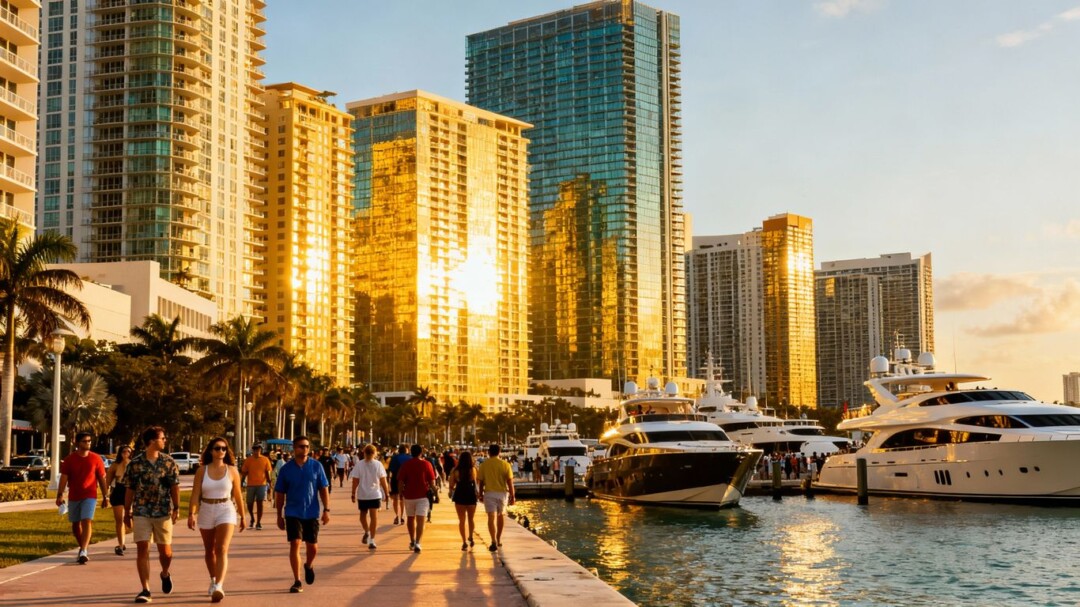
Miami’s real estate market is experiencing a significant boom, largely driven by a substantial influx of foreign investment. This trend is not only boosting sales volumes but also altering the landscape of commercial and residential properties, making Miami a top destination for international capital seeking value and stability.
Key Takeaways
- Foreign investors are a major force behind Miami’s real estate boom, particularly in the multifamily sector.
- Financial incentives, a business-friendly culture, and perceived value compared to other markets attract international capital.
- Latin American investors are increasingly active, viewing Miami real estate as a hedge against inflation and instability.
- The city’s gateway status, cultural ties, and lifestyle appeal further enhance its attractiveness.
Driving Forces Behind Miami’s Real Estate Boom
Miami has emerged as one of the most attractive U.S. commercial real estate markets for foreign investors, thanks to a combination of financial incentives, abundant opportunities, and a business-friendly culture. Local real estate experts note that international investors are drawn to Miami because it still represents a value proposition compared to other major markets. This influx of capital has led to a significant rise in Miami-Dade County’s commercial sales volume, with the multifamily sector seeing the largest increase.
International Capital Inflow and Investment Strategies
Foreign capital is playing a significant role in the region’s real estate activity, with "institutional-size" increments being invested. This has manifested in various ways, including foreign developers establishing a presence in Miami, acquiring stakes in local operating companies, and purchasing large multifamily projects. Notable examples include Swiss developers opening Miami offices and Brazilian investors partnering on large-scale financing projects. Spanish billionaire Amancio Ortega’s real estate firm made one of the largest multifamily transactions in Southeast Florida with an all-cash acquisition of a luxury apartment tower.
Factors Attracting Global Investors
Despite global economic uncertainties, Miami’s appeal to international investors remains strong. Key factors include:
- Gateway Status and Cultural Ties: Miami’s connection to Latin America makes it a natural investment hub for buyers from countries like Colombia, Brazil, and Venezuela seeking financial stability.
- Strong Market Fundamentals: The region boasts robust rent growth and resilient occupancy rates, offering attractive yield expectations.
- Favorable Tax and Regulatory Climate: Florida’s tax and regulatory environment provides additional incentives for high-net-worth foreign buyers.
- Lifestyle and Legacy Investments: The city’s global visibility, vibrant lifestyle, and strong tourism sector contribute to its desirability for both investment and personal use.
Shifting Investor Demographics and Property Types
While European and Asian capital has seen some moderation due to currency fluctuations and geopolitical concerns, demand from Latin America continues to grow. High-net-worth individuals from these regions are actively purchasing new condominium units, utilizing them as income-producing assets and seasonal residences. The Miami Association of REALTORS reported a significant increase in international buyer participation in condominium sales, with Latin Americans representing the vast majority of these transactions.
Market Dynamics and Future Outlook
Miami’s real estate market remains resilient, with new multifamily construction barely keeping pace with demand. Vacancy rates are low, and rents continue to rise, although the pace of rent growth has slightly moderated due to new supply. The city’s strong economic performance, global appeal, and ongoing development projects, including branded condo-hotels and experiential real estate, are expected to sustain foreign investment. Tariffs have had minimal impact on real estate activity, and experts anticipate Miami will continue to be a preferred location for international business and investment.