

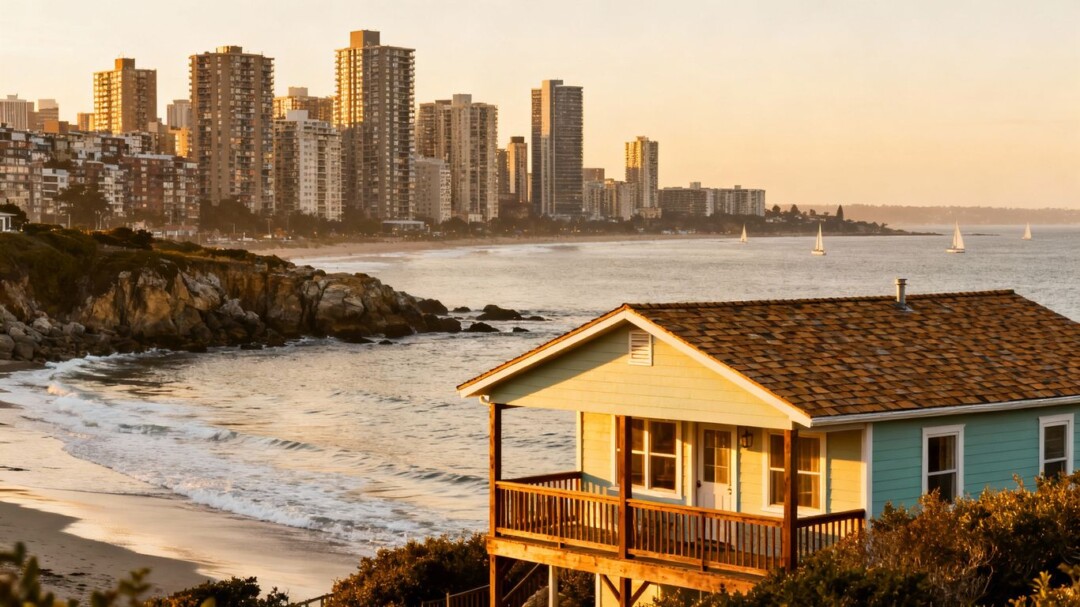
San Diego is grappling with a proposal to tax vacant second homes and short-term vacation rentals, a move aimed at alleviating the city’s housing affordability crisis. Councilman Sean Elo-Rivera introduced the measure, which supporters believe will return housing stock to residents and generate much-needed revenue, while opponents warn of negative impacts on tourism and local businesses.
Key Takeaways
- A proposed tax targets vacant second homes and whole-home short-term rentals.
- Supporters argue it will increase housing availability and fund city services.
- Opponents fear it will harm tourism and small businesses.
- The proposal is moving through city committees, with a potential ballot decision.
The Proposal and Its Aims
Councilman Sean Elo-Rivera’s proposal seeks to impose an annual tax on properties not used as primary residences. The intention is to discourage homes from sitting empty or being used exclusively for short-term rentals, thereby increasing the availability of housing for San Diego residents. Elo-Rivera stated that students and working families are being priced out of the city due to rising rents, exacerbated by the reduction in available housing stock.
Supporters’ Arguments
Advocates for the tax, including educators, students, and labor union members, emphasize that the measure would affect a small percentage of San Diegans, primarily targeting those who profit from the housing crisis. They believe the revenue generated, estimated to be between $90 million and $135 million annually, could fund affordable housing projects and other essential city services. The proposal includes provisions for audits and public oversight to ensure transparency.
Opposition and Concerns
Business leaders and short-term rental hosts have voiced strong opposition. The San Diego Regional Chamber of Commerce argues that the tax could jeopardize tourism revenue, a significant source of funding for city services. Airbnb, a major platform for short-term rentals, contends that the tax disproportionately affects local residents who use their homes to earn extra income. Concerns have also been raised that the tax might not guarantee new housing construction and could lead to reduced rental availability and negative impacts on small businesses reliant on tourism.
Tax Details and Exemptions
The proposed tax has seen revisions, with the current iteration suggesting an $8,000 annual tax on entire homes used as short-term rentals or vacant second homes. An additional $4,000 surcharge is proposed for corporate-owned vacation homes. Exemptions are planned for owners facing specific circumstances, such as long-term care, military service, or uninhabitable conditions due to disasters. Home-sharing hosts who rent out a room or their primary residence for limited periods would generally be unaffected.
Path Forward
The proposal has advanced through committee reviews, with the City Council expected to decide on its placement on the June ballot by a March deadline. The debate highlights the complex balance between addressing housing affordability and supporting the tourism economy.
Sources
- San Diego councilman floats taxes on short-term rentals, vacation second homes – NBC 7 San Diego, NBC 7 San Diego.
- Chris Cate responds to new tax on vacation rentals, FOX 5 San Diego & KUSI News.
- San Diego vacation rental tax proposal sparks debate ahead of committee review, 10News.com.
- Proposed tax on San Diego vacation homes could top $12,000 – San Diego Union-Tribune, San Diego Union-Tribune.
- Proposal to tax short-term vacation rentals could be headed for SD ballots, Times of San Diego.