

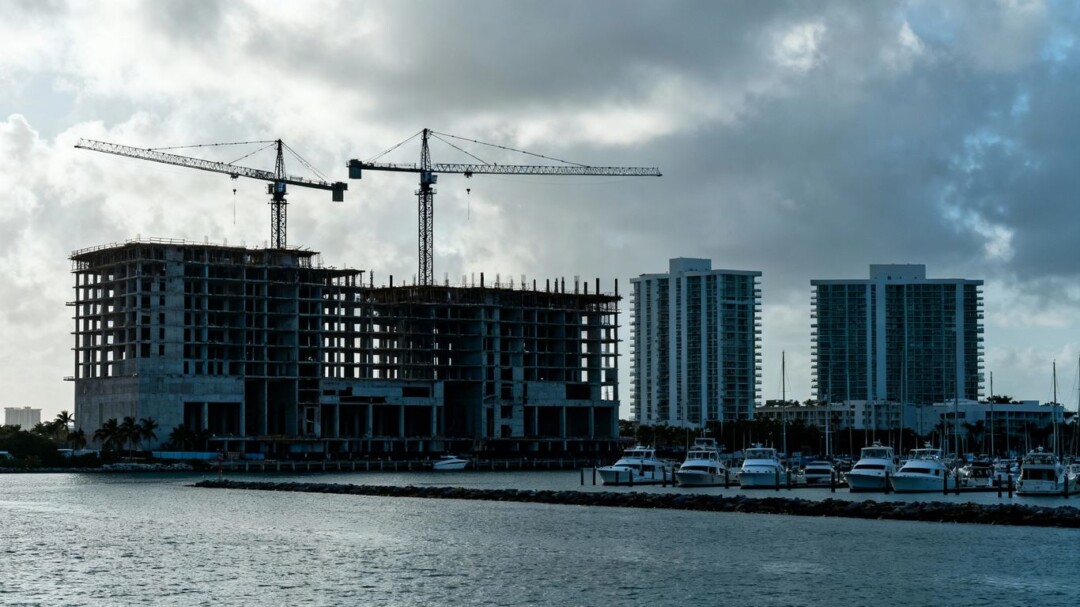
A recent court ruling has halted the planned EDITION Residences Miami Edgewater, forcing the restoration of the aging Biscayne 21 condominium instead of allowing its redevelopment. This decision, stemming from a legal technicality regarding unanimous consent for condominium termination, has sparked debate about balancing individual property rights with urban progress in Miami.
Key Takeaways
- A legal ruling mandates the restoration of the 1964 Biscayne 21 condominium, preventing its redevelopment into EDITION Residences Miami Edgewater.
- The decision was based on a requirement for unanimous owner consent to terminate the building, benefiting a small minority of owners.
- The halt is expected to have significant economic repercussions, including lost tax revenue and construction jobs.
- The ruling raises concerns about future investment and development in Miami due to potential legal uncertainties.
The Legal Impasse
The core of the dispute lies with eight remaining unit owners at Biscayne 21 who successfully argued that the original condominium declaration required unanimous consent for the building’s termination. While legally sound under the existing bylaws, this ruling effectively halts a major redevelopment project that had majority support and city backing.
The Biscayne 21 building, constructed in 1964, is seen as outdated in terms of modern safety, resilience, and housing quality standards, especially in the wake of the Surfside tragedy. The proposed EDITION Residences project promised to replace it with a modern structure, generating substantial tax revenue and economic activity.
Economic Ramifications
The economic impact of this decision is far-reaching. The City of Miami stands to lose significant tax revenue that would have been generated by the higher assessed values of the EDITION Residences. Furthermore, the multi-year construction cycle would have supported hundreds of jobs across various trades and professional services.
Instead, the city is left with a deteriorating asset that yields minimal tax income and requires ongoing maintenance. The opportunity cost includes forgone permit fees, impact fees, property tax growth, and sales taxes associated with construction and furnishing.
Broader Market Signals
This legal outcome sends a cautionary signal to developers, lenders, and institutional investors. The possibility of large-scale redevelopment projects being indefinitely stalled by a small number of holdouts introduces uncertainty. This could lead to higher financing costs, more conservative investment strategies, and a reduced willingness to pursue transformative projects in Miami, potentially pushing capital to other markets.
A Question of Progress
The situation highlights a potential structural issue within Florida’s condominium laws, where a minority of owners can impede reinvestment that benefits the majority and the wider community. While the developer’s attempt to amend bylaws without full consensus created the legal vulnerability, the ruling itself underscores the challenge of balancing preservation with the need for responsible urban renewal and modernization in a rapidly evolving city like Miami.