

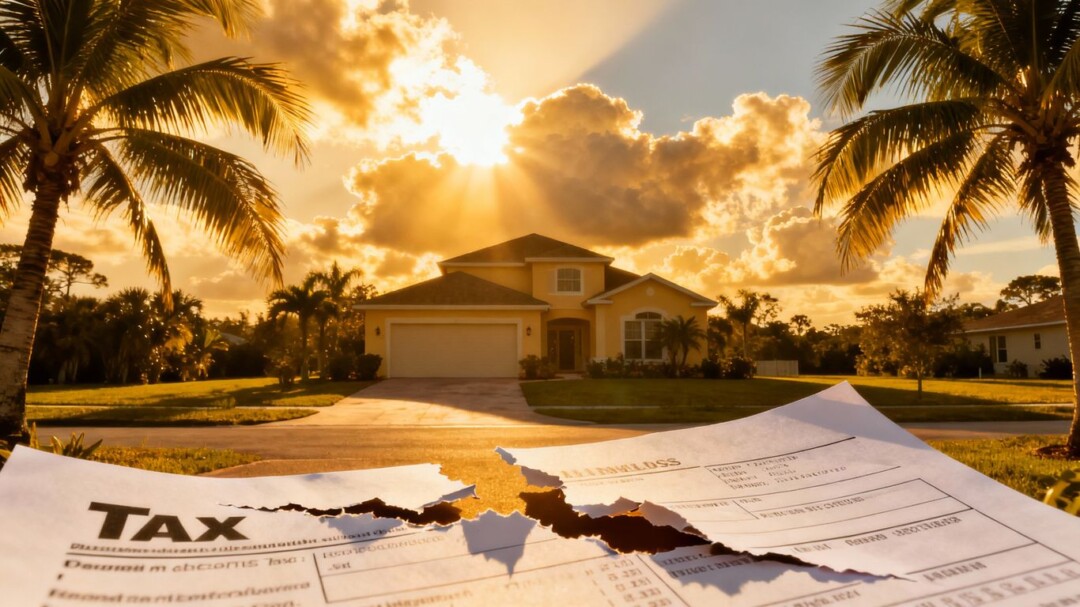
Florida Governor Ron DeSantis is spearheading a significant proposal aimed at eliminating property taxes for primary residences across the state. This ambitious plan, which would require voter approval in 2026, seeks to alleviate the financial burden on homeowners, particularly in light of rapidly increasing property values. The initiative, however, has sparked debate regarding its potential impact on local government funding and services.
Key Takeaways
- Governor DeSantis aims to eliminate property taxes for homesteaded residents.
- The proposal requires a 60% voter approval on the 2026 ballot.
- Potential impacts include shifts in revenue sources for local governments and possible increases in property values.
- Rental properties and second homes would likely continue to be taxed.
The Governor’s Vision
Governor DeSantis has voiced concerns that local governments have "overspent," leading to escalating property tax bills for residents. He stated, "People are being pinched across the economy in a lot of things… the local property taxes are hurting people." The goal is to make Florida the first state in the nation to eliminate property taxes on primary residences, complementing its status as an income-tax-free state.
Phased Approach and Potential Hurdles
The plan involves a phased approach, with legislative proposals including a substantial homestead exemption and caps on assessment increases. However, the elimination of property taxes, which generate billions annually for local governments and school districts, presents a significant fiscal challenge. Estimates suggest that alternative revenue sources, such as a substantial increase in the state sales tax, might be necessary to compensate for the lost revenue.
Local Government Concerns
Municipalities like Key Biscayne are expressing apprehension about the potential financial fallout. Village officials estimate that eliminating non-school ad valorem taxes for homesteaded properties could result in a significant reduction in their budget, potentially impacting essential services. Concerns have been raised about local governments becoming dependent on state funding or facing consolidation.
Broader Economic Implications
Experts suggest that eliminating property taxes on primary residences could lead to an increase in home prices, as buyers factor in lower annual ownership costs. While this could benefit sellers, it might also shift the tax burden to renters and owners of non-homesteaded properties. The long-term funding mechanisms for local services, such as police and fire departments, remain a critical point of discussion.
What Lies Ahead
While the concept is gaining traction, no definitive legislation has been passed. The proposal is expected to undergo further debate and refinement, with a crucial vote by Florida residents on the 2026 ballot. The success of the initiative will depend on finding a sustainable funding model that does not compromise essential public services.
Sources
- Florida advances plan to eliminate property taxes for primary residents, Fox Business.
- How proposed Florida property tax changes could affect Key Biscayne | Key Biscayne, IslanderNews.com.
- Florida property tax reform could boost home prices, shift costs to renters, The Business Journals.
- WATCH: Should You Pay Taxes on a Home You Own? Florida’s Property Tax Debate on the Space Coast, Space Coast Daily.