

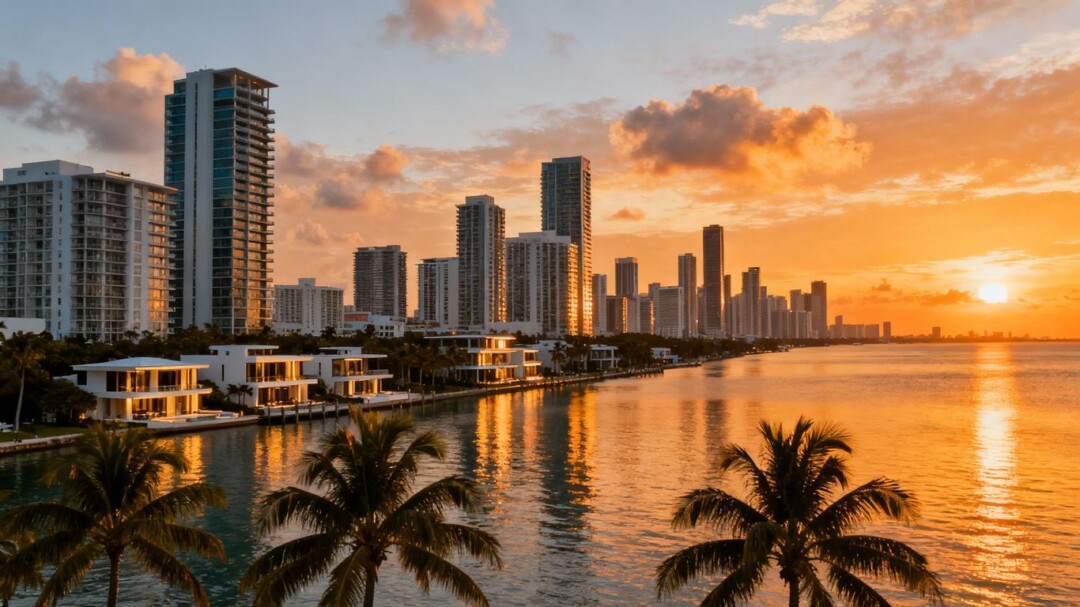
Miami’s condominium market in 2025 presents a bifurcated landscape, with some buildings experiencing significant value appreciation while others see their worth decline. Understanding these market dynamics is crucial for anyone involved in buying, selling, or investing in Miami real estate. The David Siddons Group has provided an in-depth analysis, breaking down condo performance by neighborhood to highlight the top and bottom three performing buildings.
Key Takeaways
- "End-User Fortresses" vs. "Investor-Heavy Risk Towers": High-performing condos are characterized by strong owner-occupancy, sound financial management, and scarcity, while underperformers often suffer from investor saturation, underfunded reserves, and aging infrastructure.
- Neighborhood Variations: Performance varies significantly across Miami’s diverse neighborhoods, with distinct leaders and laggards identified in areas like Brickell, Miami Beach, and Coconut Grove.
- Buyer and Seller Strategies: Buyers should scrutinize rental ratios, HOA financials, and resale velocity, while sellers should emphasize end-user appeal and proactive management.
Neighborhood Condo Performance Breakdown
The following table summarizes the best and worst performing condos in key Miami neighborhoods for 2025:
| Neighborhood | The Best Condo | The Worst Condo | Neighborhood Link |
|---|---|---|---|
| Brickell and Downtown | Four Seasons Residences | Aston Martin | Brickell and Downtown |
| Edgewater | Elysee | The Venetia | Edgewater |
| Miami Beach | Continuum on South Beach | Roney Palace | Miami Beach |
| Coconut Grove | One Park Grove | Grove Towers | Coconut Grove |
| Surfside and Bal Harbour | Surf Club Four Seasons | Champlain Towers | Surfside and Bal Harbour |
| Sunny Isles | Estates at Acqualina | Ocean 2 | Sunny Isles |
| Aventura | Privé | 4000 Williams Island | Aventura |
| Fort Lauderdale | Auberge | Galt Towers | Fort Lauderdale |
Identifying Top-Performing Condos
Condos that consistently appreciate and maintain value share common traits. These "end-user fortresses" are primarily owned by residents, not investors, leading to minimal rental activity and stable demand. Strong financial governance, including well-funded reserves and proactive boards, ensures property integrity. Furthermore, a sense of scarcity, often indicated by low resale inventory, combined with a strong brand or architectural pedigree, sustains premium pricing. These buildings tend to rebound quickly during market downturns, attracting buyers who prioritize quality and lifestyle.
Understanding Underperforming Condos
Conversely, underperforming buildings, termed "investor-heavy risk towers," often struggle due to investor saturation, which can lead to price volatility. Low HOA fees can signal underfunded reserves and deferred maintenance, potentially leading to significant special assessments. Older buildings, especially those from the 1980s or earlier, may face costly recertifications and infrastructure updates. Additionally, some once-premium brands have lost their pricing power as newer developments redefine luxury with superior design and amenities.
Strategies for Buyers and Sellers
For buyers, it’s essential to examine rental ratios, HOA financials, and resale velocity to gauge a building’s stability and liquidity. Evaluating design quality, brand authenticity, and maintenance culture is also key. Sellers should highlight end-user appeal and management quality in their marketing. Addressing potential buyer concerns proactively, such as recent assessments or reserve levels, and pricing strategically within the context of market liquidity are crucial for successful sales.
Notable Underperformers
Several buildings stand out as particularly weak performers:
- Miami Beach: Mondrian South Beach faces challenges due to high operating costs, investor turnover, and aging interiors, resulting in declining prices per square foot.
- Brickell & Downtown: Aston Martin Residences are experiencing post-delivery price discovery issues, with finishes falling short of expectations and high inventory contributing to price drops.
- Edgewater: The Venetia struggles with an aging structure, frequent assessments, and dated systems, making it less desirable.
- Surfside and Bal Harbour: Champlain Towers show stagnant values and significant illiquidity, with low HOA fees suggesting potential deferred maintenance.
- Sunny Isles: Ocean II has been surpassed by newer developments, leading to stagnating resale values and aging infrastructure.
- Coconut Grove: Grove Towers have lagged due to renovations and assessments that stalled price growth.
- Aventura: 4000 Williams Island contends with aging infrastructure, high carrying costs, and slow resale velocity.
- Fort Lauderdale: Galt Towers are impacted by their age and outdated design, leading to price drops and weak demand.
Notable Top Performers
On the other end of the spectrum, several buildings are leading the market:
- Miami Beach: Continuum on South Beach remains a prestigious address with historically high prices and strong demand.
- Brickell and Downtown: The Four Seasons Residences set a standard for luxury, with significant year-over-year price increases and strong end-user demand.
- Edgewater: Elysee stands out for its exclusivity and architectural distinction, with substantial price appreciation since completion.
- Sunny Isles: The Estates at Acqualina represent the pinnacle of luxury, with rising prices and a stable, end-user-driven community.
- Surfside and Bal Harbour: The Surf Club Four Seasons Private Residences is a premier oceanfront condo offering unmatched privacy and amenities.
- Coconut Grove: Park Grove leads due to exceptional appreciation, a prime location, and resort-style amenities.
- Aventura: Privé Island Residences offer unmatched privacy and luxury, with significant price appreciation and strong end-user demand.
- Fort Lauderdale: Auberge Beach Residences dominate the ultra-luxury market with a prime location and strong brand prestige.